
The complete guide
Choosing a Tile Insert Floor Drain for a Bathroom That Stays Dry
The problem nobody mentions when they renovate
A bathroom can look perfect and still annoy you every single day. The tiles are new, the screen is clean, the tapware matches. And then the water sits. It pools in one corner of the shower long after you have turned the tap off, and by the next morning there is a grey tide line creeping along the grout.
Or it is the smell. You walk into the laundry on a hot afternoon and something sour is coming up out of the floor. You check the washing machine, you check the bin, and eventually you work out it is the drain.
Both of those problems usually come down to the same small piece of hardware. The floor waste. It is the cheapest visible thing in the room and it does more work than almost anything else in there.
What a tile insert floor drain actually does
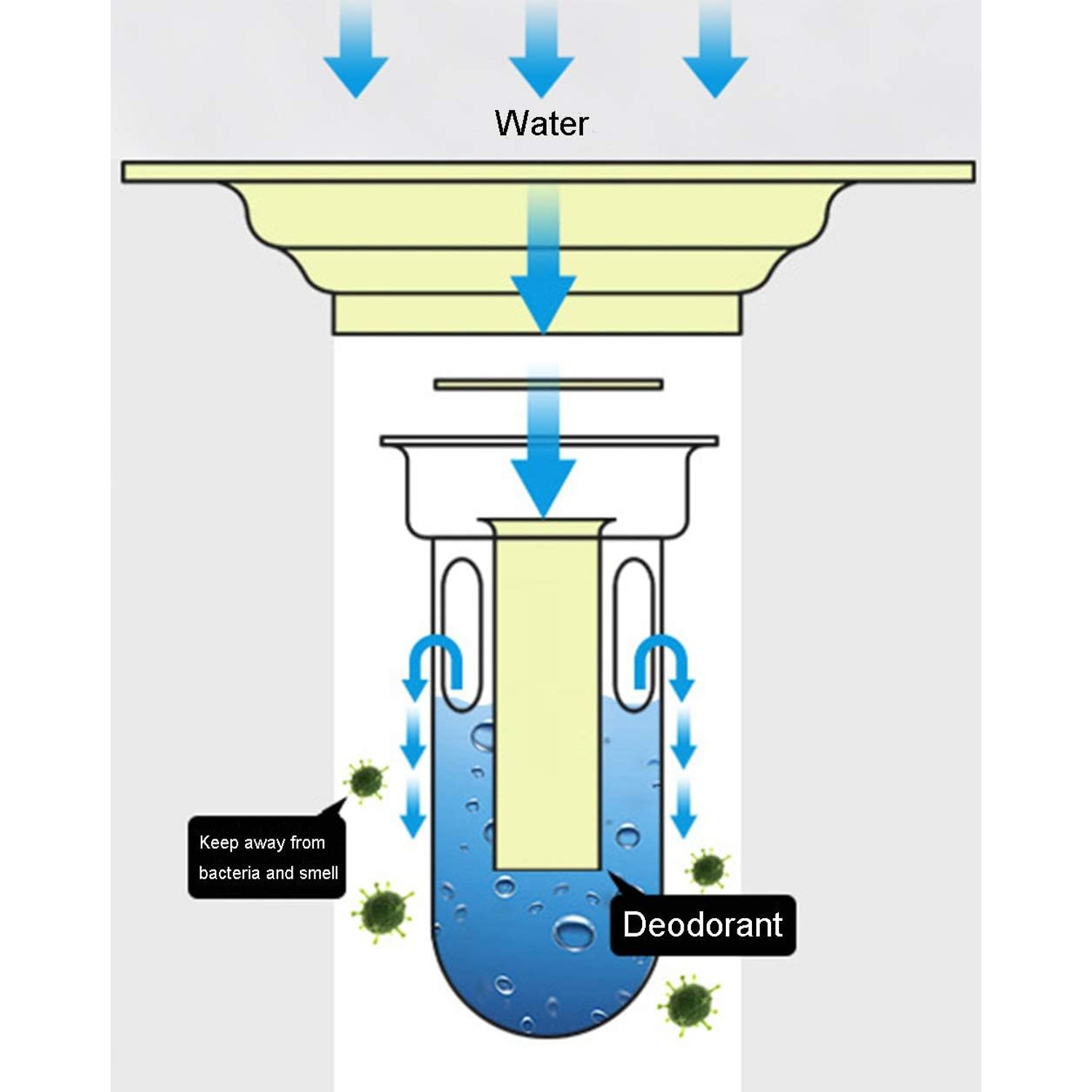
Strip it back and a floor drain has three jobs. It has to take water off the floor quickly. It has to stop things that are not water from going down the pipe. And it has to stop things that are in the pipe from coming back up into the room.
Most cheap drains do the first job badly and the third job not at all.
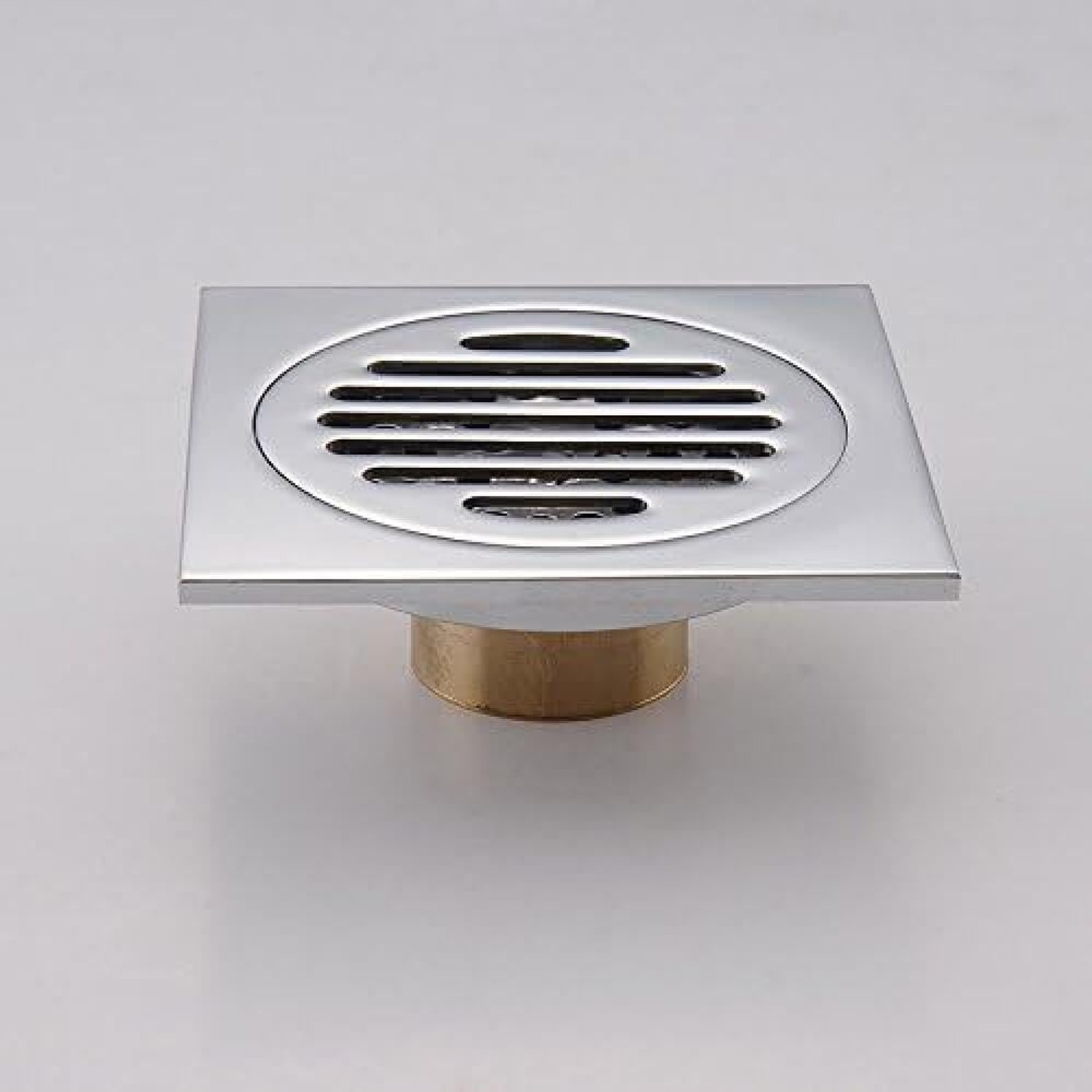
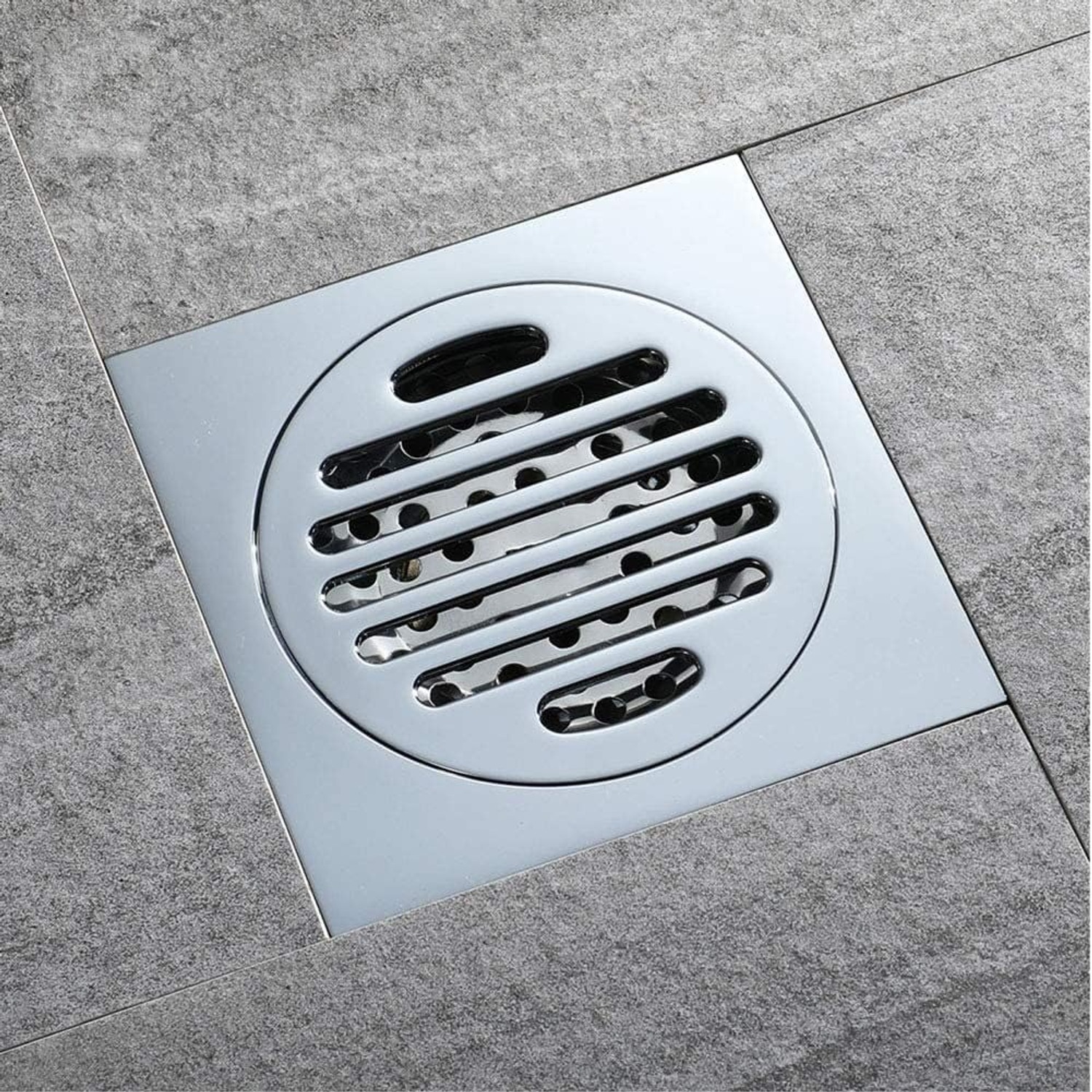
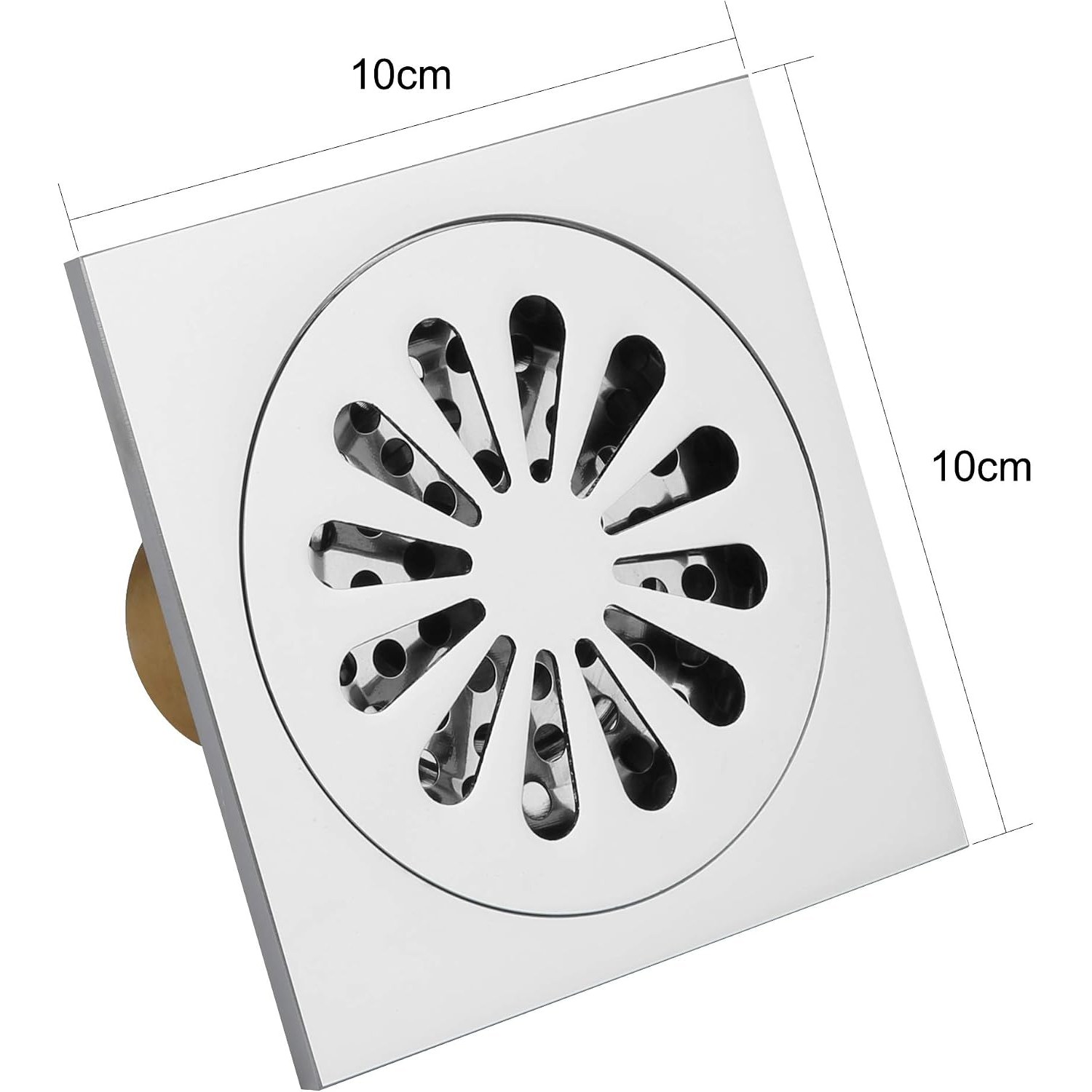
This square floor drain handles the first job with a grid cover roughly 100 x 100 mm across, with openings spaced evenly over the whole face. That even spacing matters. A drain with a cluster of holes in the middle leaves the outer edges of the cover doing nothing, and water has to travel to the centre before it goes anywhere. Spread the openings out and water enters from wherever it lands.
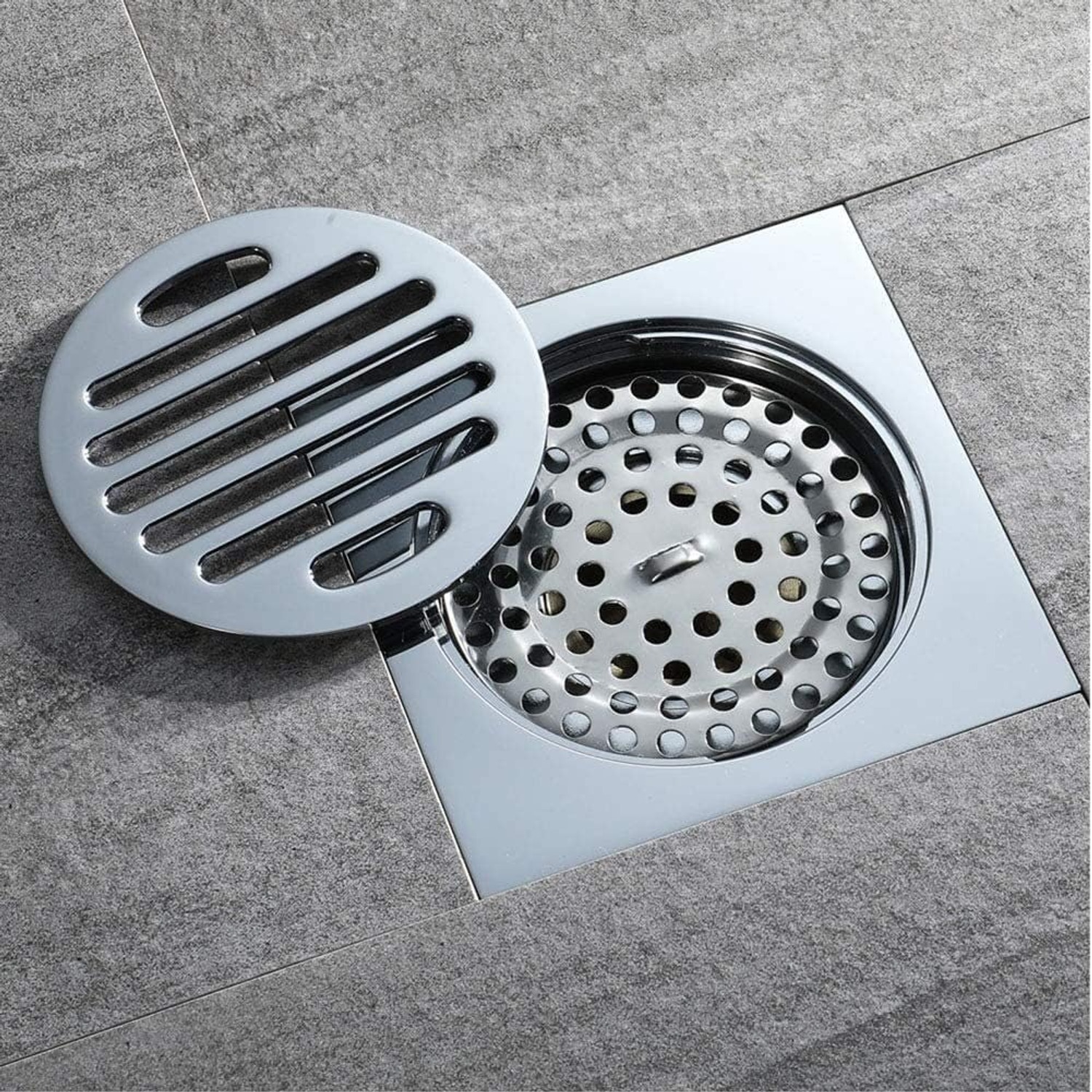
The second job belongs to the removable strainer sitting beneath the cover. It catches hair, lint, grit and whatever else washes off you and your towels. Everything it catches is something that is not slowly lining the inside of your waste pipe.
The third job is handled by an internal separator. When water stops flowing, it closes the path between the pipe and the room. That is what keeps sewer smells and insects out of a bathroom that is not being used.
Why hair is the real enemy
Ask any plumber what causes most slow floor wastes in houses and they will not say tree roots or collapsed pipe. They will say hair.
Hair does not block a drain on its own. It catches on something, then soap scum and skin oils coat it, then more hair catches on that, and within a few months there is a mat sitting in the top of your waste. Water still gets through, just slowly, and you adapt without really noticing until you are standing ankle deep.
A hair catcher floor drain is not a clever invention. It is just a strainer placed where the hair arrives, so you can lift the problem out before it becomes a problem. The value is entirely in whether the strainer is easy enough to remove that you will actually do it. This one lifts straight out, which is the whole point.
Two minutes every fortnight will do more for your plumbing than any bottle of drain cleaner.
Smells and where they come from
Drain odour usually has one of three sources.
The first is a dry trap. If a floor waste goes unused for weeks, the water sitting in the trap evaporates and the pipe is suddenly open to the room. A mechanical separator helps here because it does not rely on standing water to seal.
The second is build-up. A film of soap, skin and hair coating the inside of the waste starts to break down, and that is a genuinely unpleasant smell. No seal fixes this one. You have to clean it out.
The third is the plumbing itself, further downstream. If the smell persists after you have cleaned the drain and the separator is closing properly, that is the point to call someone.
An anti odour shower drain handles the first source well and makes the second easier to manage because you can get at the strainer. It cannot do anything about the third.
Getting the size right
This is where most people come unstuck ordering online, so it is worth being careful.
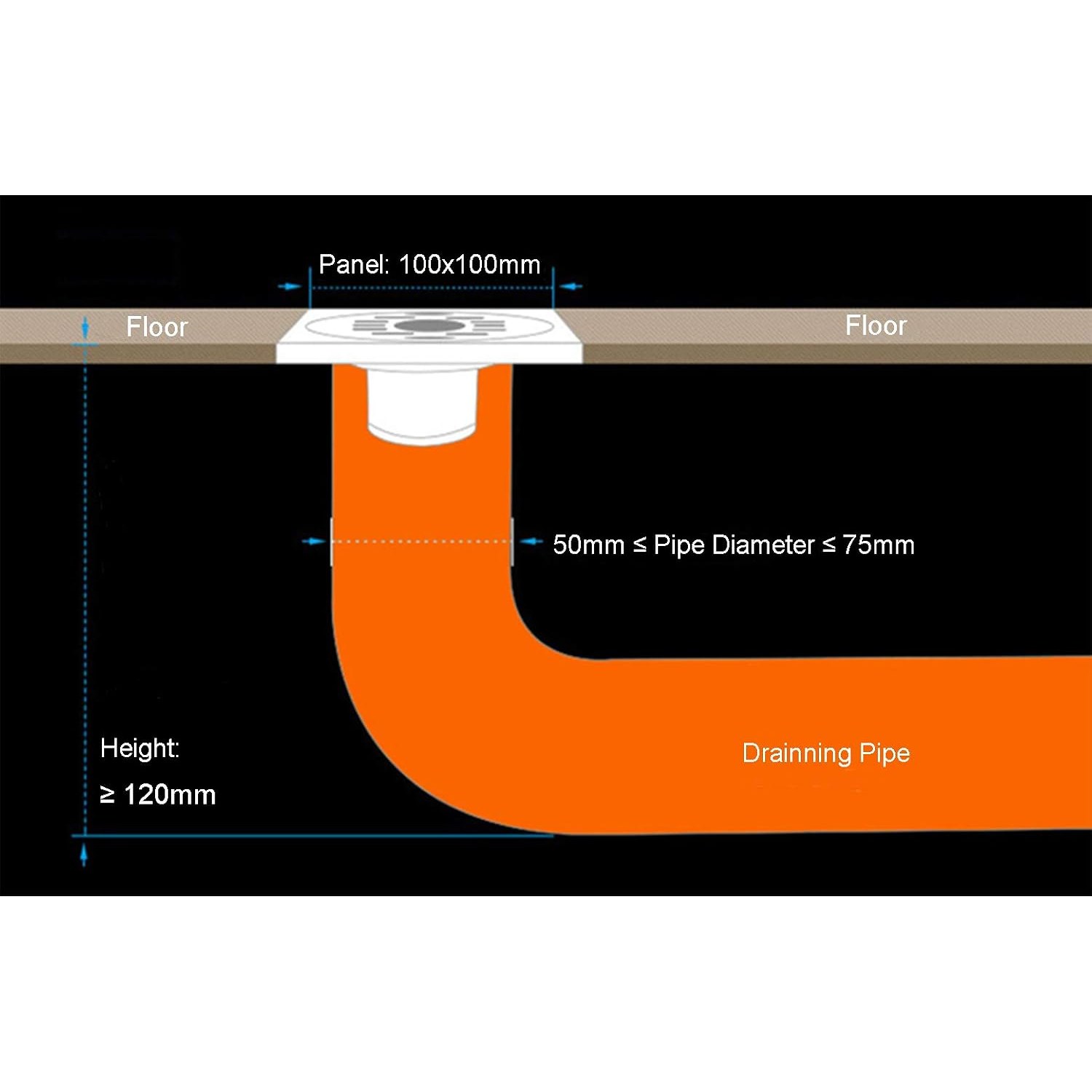
There are two measurements that matter. The first is the square opening in your tile, which needs to suit a 100 x 100 mm cover. The second is the internal diameter of the waste pipe below, which needs to fall between 50 mm and 75 mm.
Lift your existing cover out and measure both. It takes less time than reading this paragraph. If the tile opening is noticeably larger or smaller than 100 mm square, a different grate size is what you want. If the pipe sits outside the 50 mm to 75 mm range, this drain will not seat properly no matter how good the cover looks.
Depth is worth a quick thought too. If your existing recess is unusually shallow, check the drain body will sit below the tile surface. Most standard installations are fine.
Where it suits
A tiled shower is the obvious home for it, but a stainless steel floor waste of this size earns its place in plenty of other rooms.
Laundries are a good fit, with the strainer catching lint that would otherwise go straight down. Balconies and courtyards work well, though you will be clearing leaves rather than hair. Garages and basements benefit from the odour barrier, since those spaces often sit unused long enough for a water trap to dry out completely. Commercial washrooms and hotel bathrooms get a harder workout and will need the strainer emptied on a schedule rather than when someone notices.
In a kitchen, treat it as a floor drain and not a food waste. Scraps belong in the bin.
Installation, honestly
If you are swapping a drain of the same size into an existing outlet, this is a job plenty of people do themselves. Clean out the old one, check the opening, seat the new drain, run a bead of wet-area silicone around the edge so water cannot track underneath into the tile bed, and let it cure before testing.
If anything else is involved, get a plumber. Cutting tile, modifying pipework or touching waterproofing membrane are all places where a small mistake becomes an expensive one later. Plumbing rules also differ between regions, and some work legally has to be done by a licensed trade.
There is no shame in paying someone for an hour to do it properly in a room that is going to get wet every day for the next twenty years.
Keeping it working
Maintenance is simple and the list is short.
Pull the strainer out every week or two and clear it. Rinse it under warm water. Wipe the polished cover with a soft cloth and mild detergent, then dry it to reduce water spotting. Skip steel wool and abrasive pads, because they leave fine scratches that trap grime and dull the finish.
Every few months, take the strainer out properly and clean around the separator. Residue building up around a moving part is the usual reason a mechanical seal stops closing cleanly. A soft brush and warm soapy water will sort it.
Go easy on harsh chemical cleaners. Strong acids and chlorine-based products can attack plated finishes and seals over time, and they are rarely as effective as just lifting out the strainer and clearing the blockage by hand.
The short version
A floor drain is not an exciting purchase. It is a square of polished metal that you walk on without looking at it. But it is the difference between a shower floor that drains and one that puddles, and between a laundry that smells like laundry and one that smells like the pipe underneath it.
Look for three things. Openings spread across the whole cover rather than clustered in the middle. A strainer you can remove without tools, because the one you cannot be bothered cleaning may as well not exist. And a seal that closes when the water stops.
Measure your tile opening and your pipe before you order. Clean the strainer every couple of weeks once it is in. That is genuinely all there is to it.