
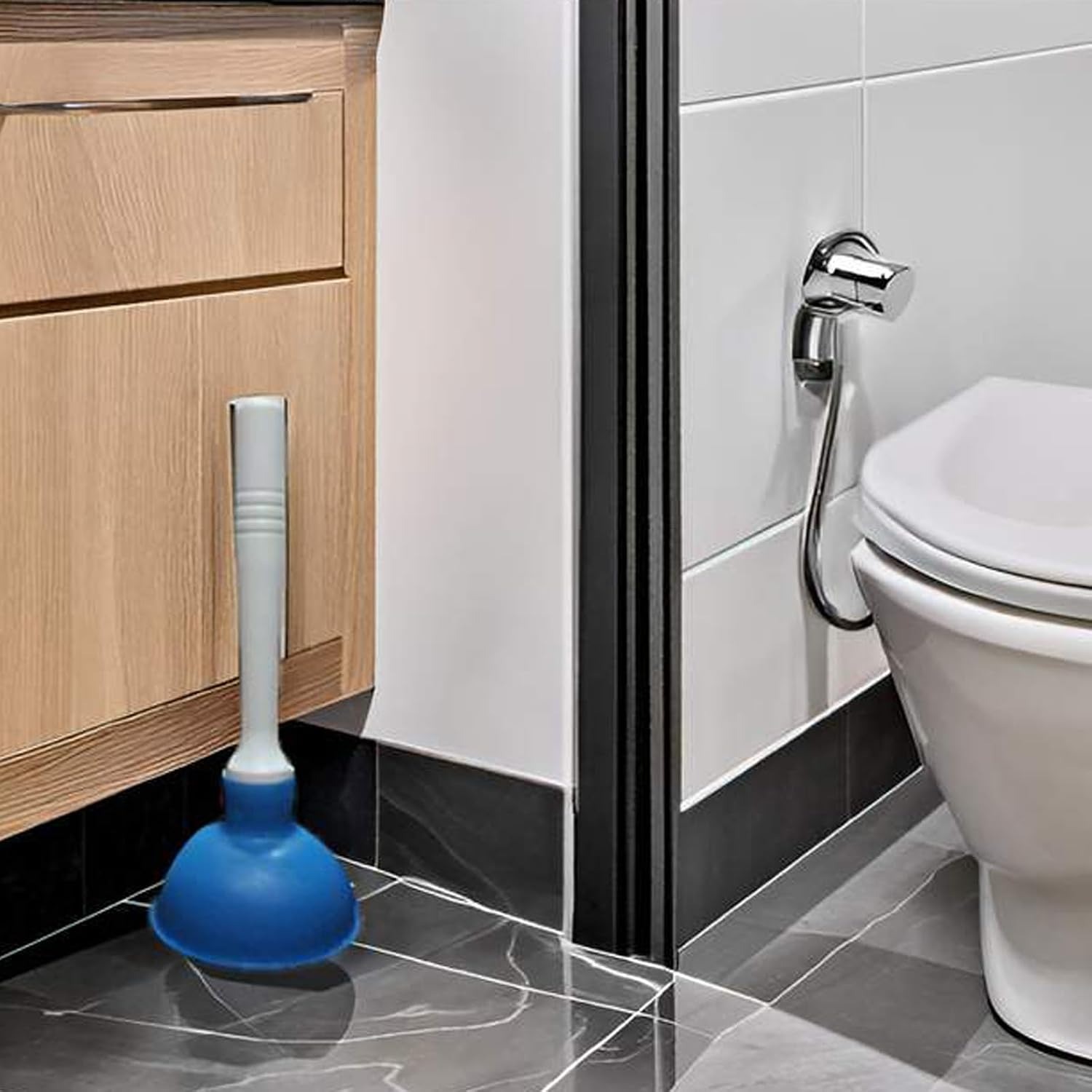
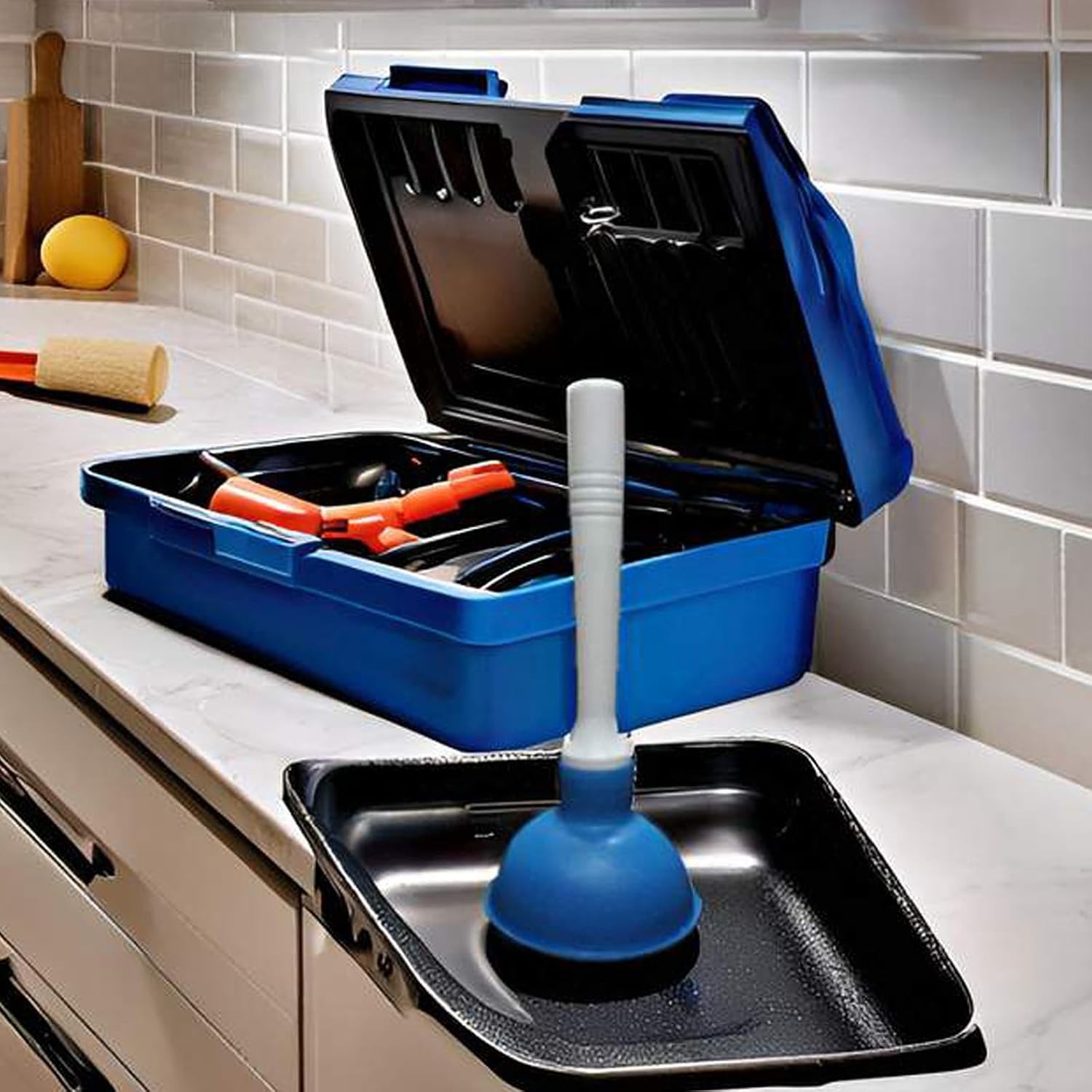
The complete guide
Choosing a Mini Sink Plunger, A Practical Buyer's Guide
The problem nobody plans for
A sink does not usually block all at once. It starts as a basin that takes a second too long to drain. Then it holds a puddle while you brush your teeth. Then one morning the water just sits there, grey and still, and you are standing in the bathroom at 7am wondering what to do about it.
That is the moment most people realise their only plunger is the big one from the toilet, and it does not fit. The bell is too wide for the basin, the flange gets in the way, and after five minutes of splashing nothing has changed except your sleeve.
A mini sink plunger solves a narrow problem well. It is the right size for small drains, it costs very little compared to a call-out, and it takes up almost no space. For a lot of household blockages it is the only tool you need.
How a plunger actually works
People often picture suction, like a plunger is a vacuum pulling the clog up. That is only half the story.
What really happens is pressure. When you press the cup down over the drain you push out the air underneath. From then on the cup is full of water, and water does not compress. Every push you make travels straight down the pipe as a pressure pulse, and every pull back creates the opposite. That back-and-forth is what breaks up a soft plug of hair, grease or food waste and gets it moving.
Two things wreck that effect. The first is a broken seal. If the rim of the cup lifts even slightly, air gets in and your pressure pulse turns into a splash. The second is an open overflow. Most bathroom basins and many kitchen sinks have a small hole near the top that lets water escape if the bowl fills. During plunging, that hole lets your pressure escape too. Cover it with a wet cloth and you will feel the difference on the very next push.
This is also why cup size matters. A cup that is too large for the drain cannot sit flat on a curved basin, so it never holds a seal. A small drain plunger with a 10 cm head has a far better chance on a basin than a full-size unit with twice the diameter.
Who this suits
This one is for ordinary households. Flats, units, family homes, student share houses, anywhere with a bathroom basin and a kitchen sink.
It suits you if:
- Your blockages are the slow, soft kind rather than total stoppages
- You want something that stores under the sink without a fight
- You already own a toilet plunger and want a separate tool for sinks
- You are setting up a first home and building a basic kit from scratch
It is less suited to anyone dealing with repeated, serious drain failures. If the same pipe blocks every few weeks, no plunger is going to fix the underlying cause. That is a job for a drain camera and a plumber.
Choosing the right size and shape
A few things are worth checking before you buy any compact plunger for small drains.
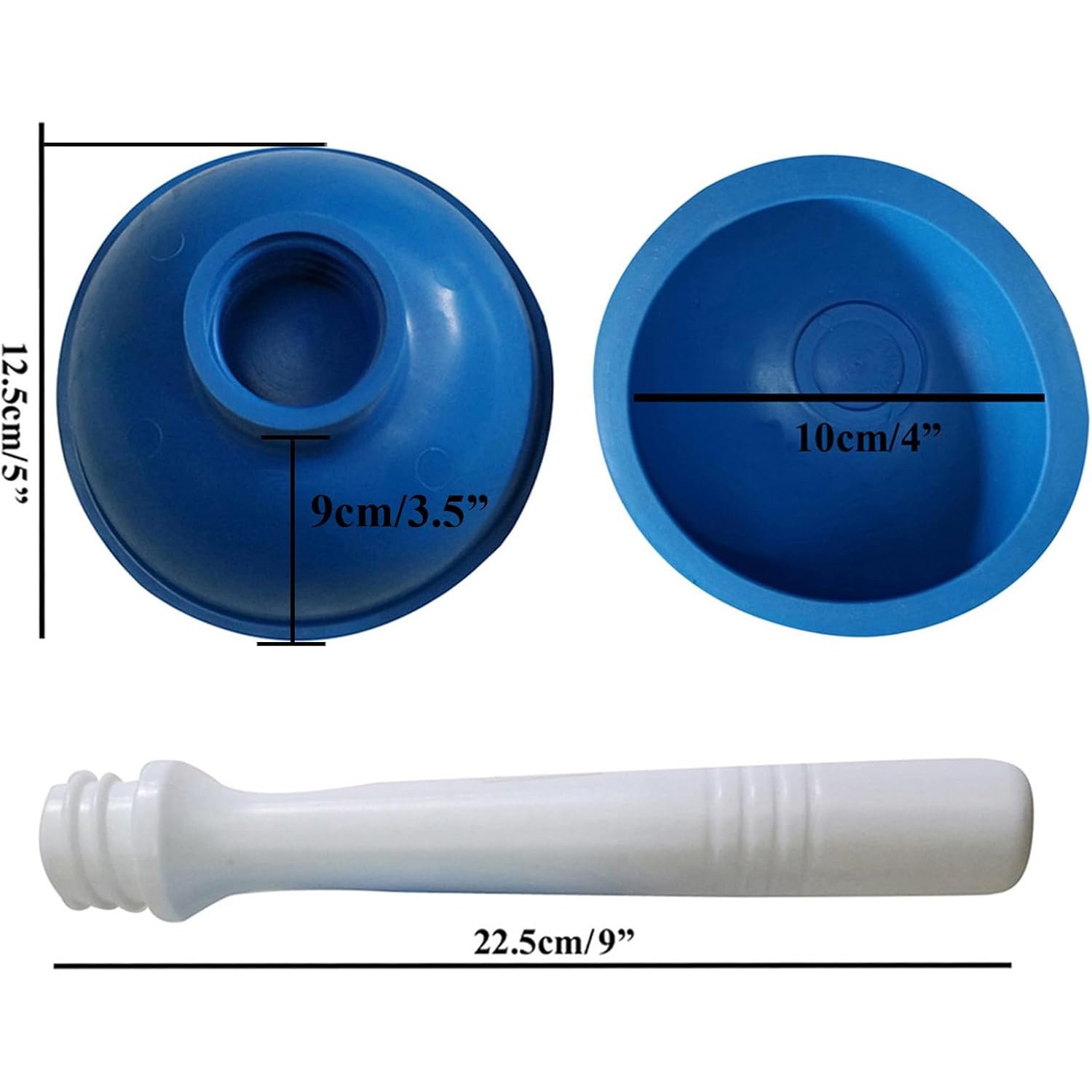
Cup diameter against your drain. Measure the flat area around your plughole, not the plughole itself. You want the rim of the cup to land on flat porcelain or steel with a bit of margin. The 10 cm assembled diameter on this model fits most standard basins and sink bowls.
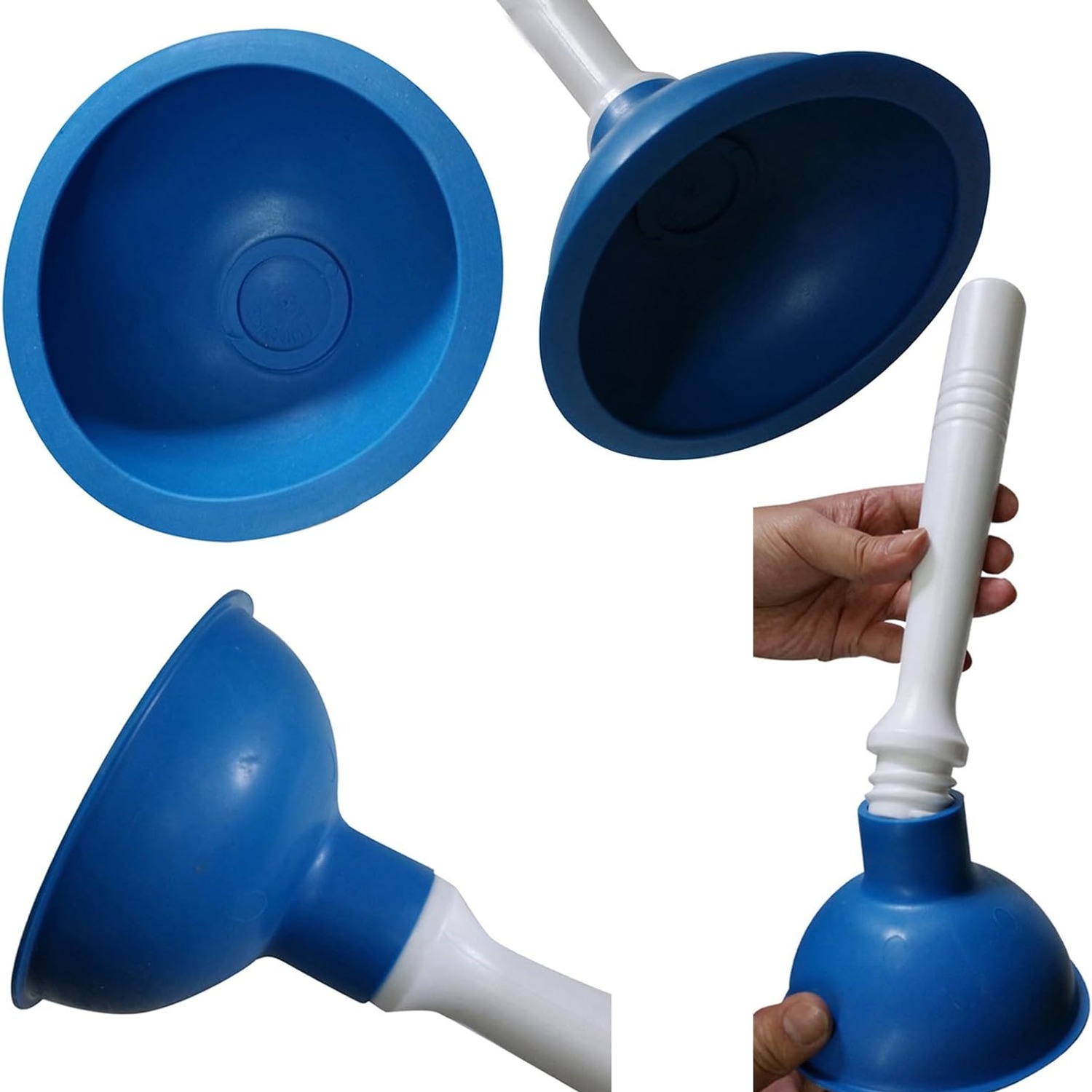
Rim shape. A flat round rim is the right profile for a sink. The folding flange you see on toilet plungers is designed for a curved outlet and only gets in the way on a flat drain.
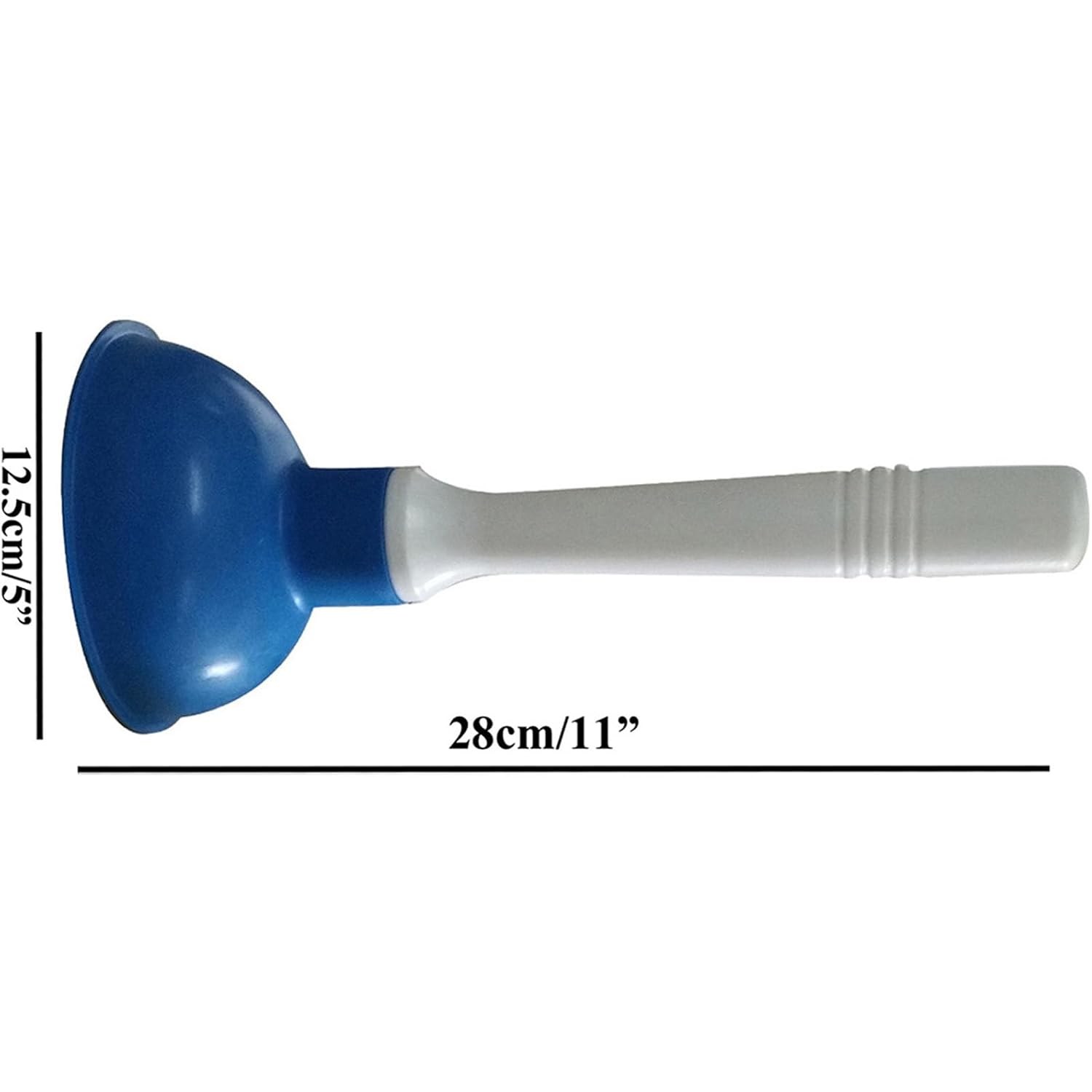
Handle length. Longer is not better here. A short handle, around 9 inches on this model, gives you more force you can control in a confined space. Try plunging a basin under a mirrored cabinet with a metre-long handle and you will understand quickly.
Weight and storage. At 118 g this is light enough to toss in a caddy. If a tool is awkward to store, it ends up in the garage, and a plunger in the garage is useless when the basin backs up at night.
Build. This one is a two-piece unit, a rubber cup and a plastic handle that screws in. Screw-in joints can loosen with heavy use, so give it a quick twist to tighten now and then.
Getting the best out of it
Technique beats force. Most people plunge too hard and too fast, which breaks the seal on every stroke.
Start by leaving enough water in the sink to cover the cup completely. Plunging into air does nothing. Then block the overflow. Then place the cup over the drain on an angle so you push air out sideways rather than trapping it, and settle it down flat.
Now push. Keep the strokes firm, straight and steady, ten to fifteen of them without lifting the rim. On the last stroke, pull up sharply to break the seal. Often the water goes away in a rush right at that moment.
If nothing moves, repeat. Two or three cycles is reasonable. If there is still no change at all, stop pumping. Pressure has its limits, and continued hammering on a stubborn blockage can push water out of a joint somewhere you cannot see.
When plunging alone does not do it, the next step is usually the trap. The P-trap is the U-bend under your sink, and it catches a remarkable amount of gunk. Put a bucket underneath, unscrew the two collars by hand, and clear it out. That combination of a plunge and a trap clean handles the vast majority of household sink blockages.
Keeping it in good shape
Rubber is the part that ages. Heat, sunlight and long periods sitting wet all shorten its life.
After each use, rinse the cup under running water and wipe it with a disinfectant cloth. Let it dry before putting it away. Store it somewhere cool and dark, out of direct sun, and ideally in a small tray so any drips have somewhere to go.
Check the rim every few months. If the rubber has gone hard, cracked or lost its spring, it will not seal and it is time for a new one. Check the handle joint too, since a loose handle robs you of force.
And keep your sink plunger separate from your toilet plunger. It is a small habit, and the reasons are obvious.
Preventing the next blockage
A plunger is a fix. Prevention is cheaper.
In the kitchen, keep fat and oil out of the sink. Pour cooled grease into a jar and bin it. Scrape plates into the compost or bin before rinsing. A cheap mesh strainer over the plughole catches most of the rest.
In the bathroom, hair is the main culprit, mixed with soap residue that glues it to the pipe wall. A hair catcher in the shower and a quick clean of the basin pop-up every month or so takes very little time and saves a lot of grief.
Running hot water down the kitchen drain for thirty seconds after washing up helps keep grease moving along rather than setting in the trap.
The short version
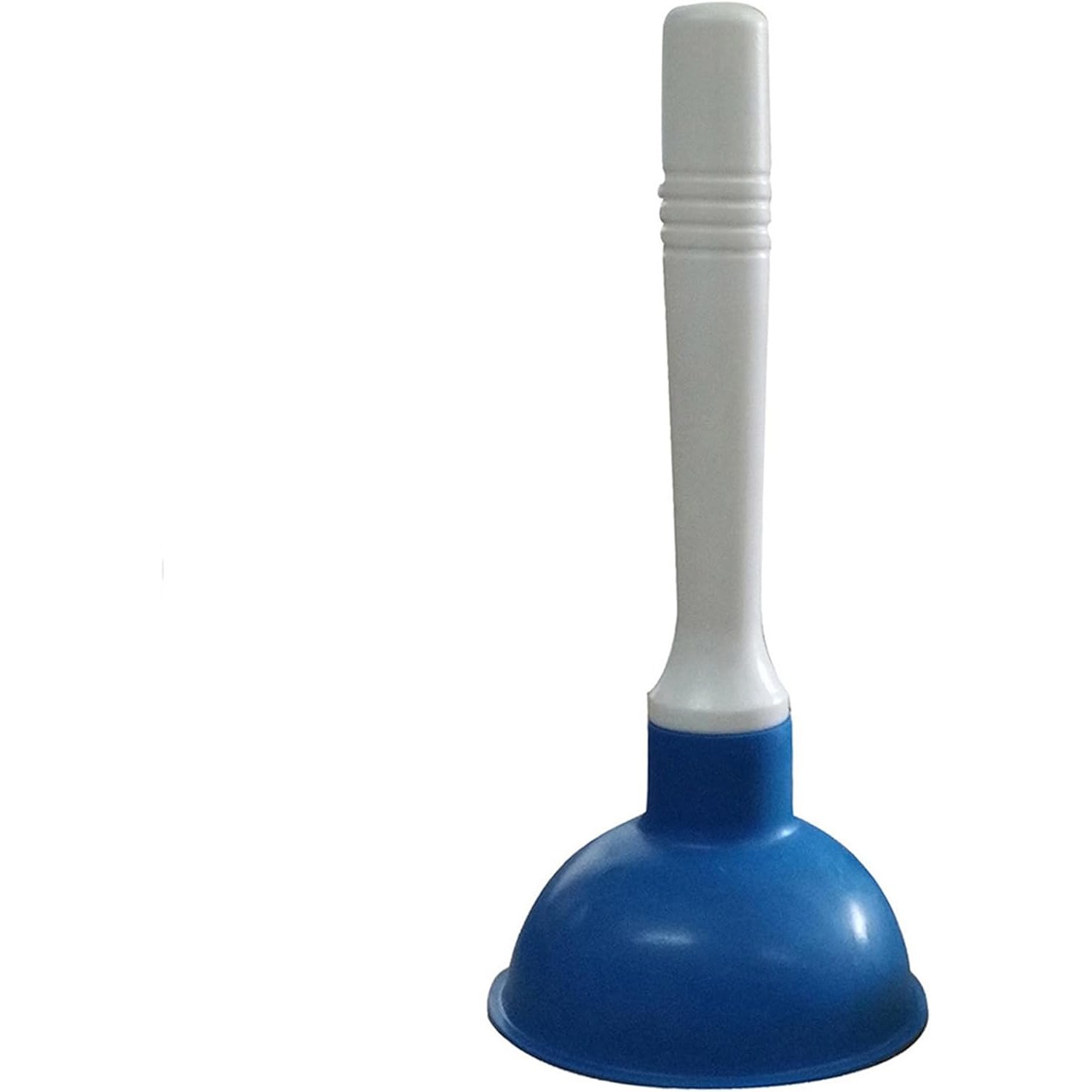
Small drains need a small plunger. This one has a 10 cm round rubber cup and a short plastic handle, it screws together in seconds, and it weighs 118 g, so it stores anywhere. It is made for basins, kitchen sinks, showers and baths, not for toilets.
Use enough water, block the overflow, keep the seal, and pump steadily rather than furiously. Rinse it and dry it after use. Replace it when the rubber goes hard.
For the price of one plumber call-out you can keep a sink unclogger under every sink in the house and still have change left over.