
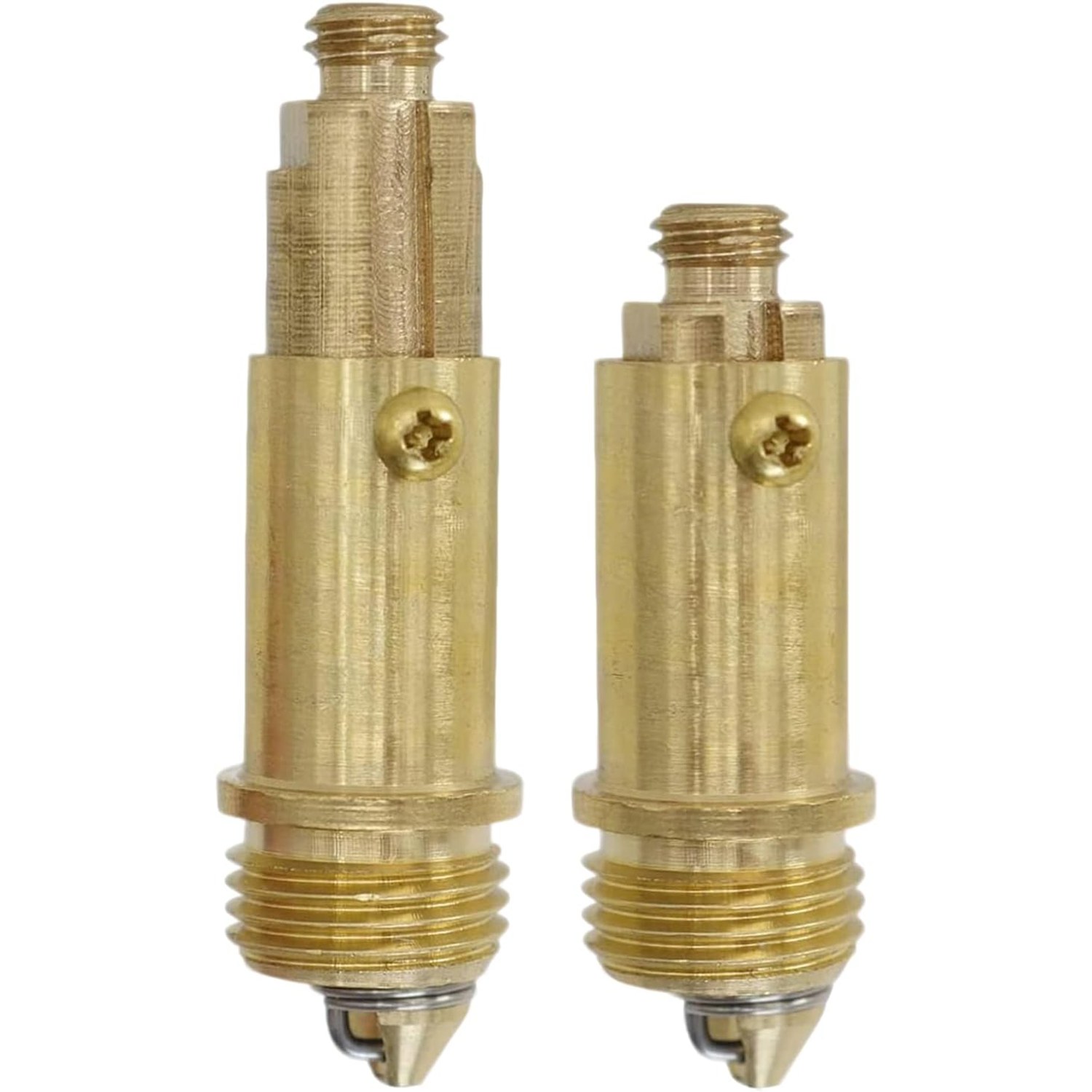
The complete guide
How To Choose And Fit A Click Clack Basin Plug Replacement
The small part that ruins a basin
A basin plug that no longer holds water is one of those faults that never quite makes it to the top of the list. It is not a leak. Nothing is flooding. You just cannot fill the basin any more, so you shave under a running tap, you cannot soak a stained shirt, and you waste a surprising amount of water every week.
The cause is almost always the same. The plug head you press with your finger sits on top of a small spring loaded bolt that screws into the centre of the waste. Over the years the spring tires, the catch wears, and a crust of soap and hair builds up where the plug meets its seat. Eventually the plug either refuses to stay down or refuses to seal when it is down.
Good news: the basin is fine, the waste is usually fine, and the pipe work is definitely fine. You are replacing one small brass part.
How a click clack plug actually works
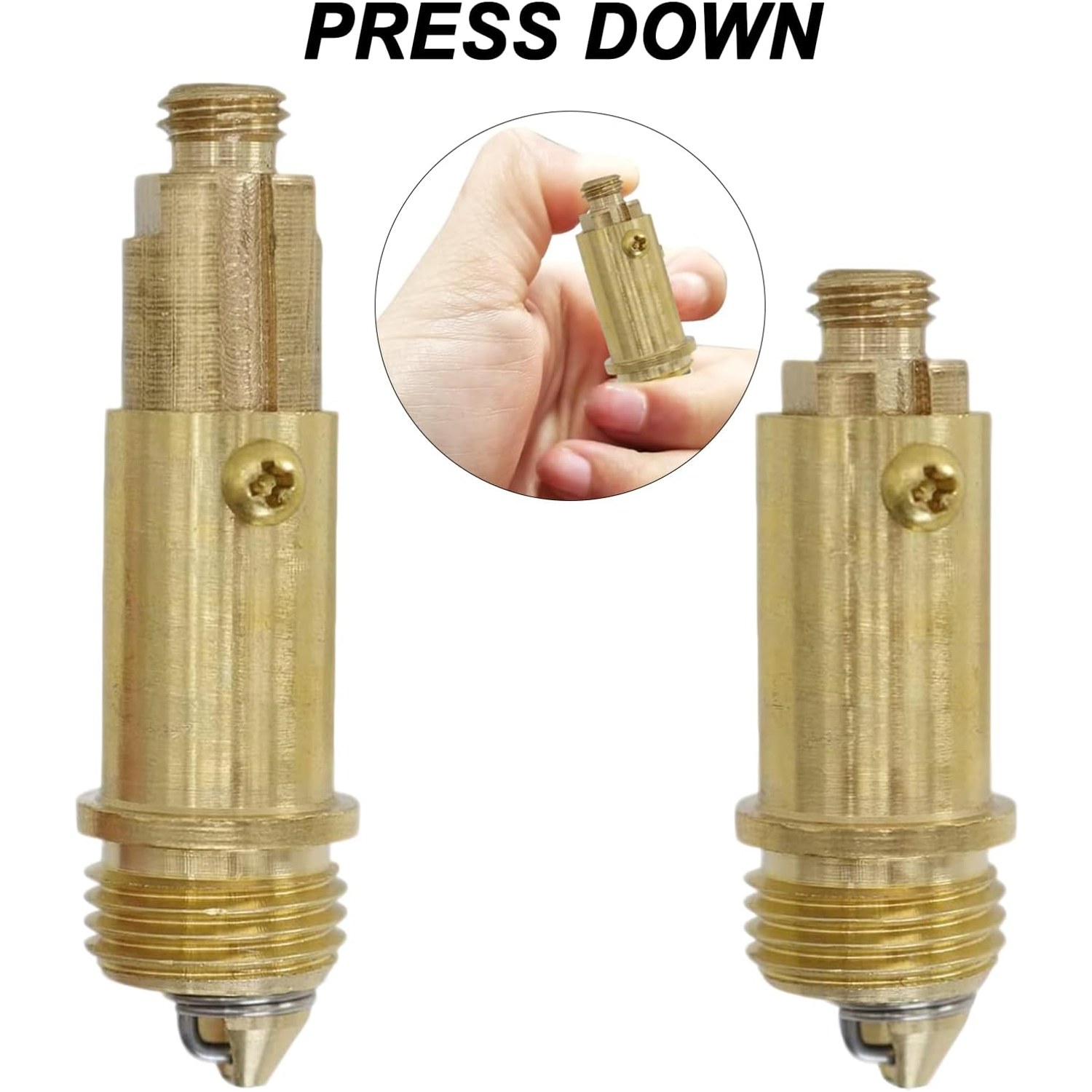
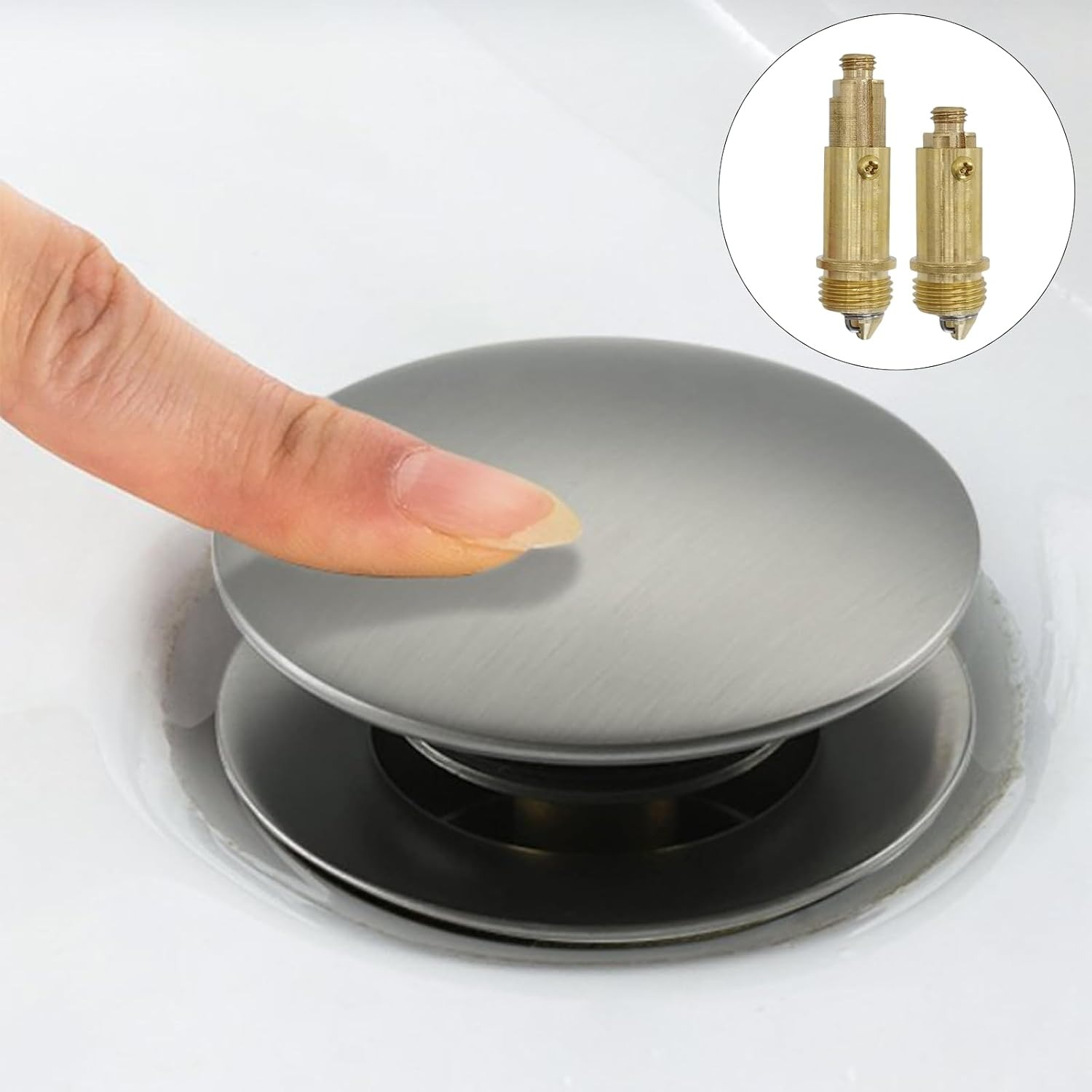
The mechanism is mechanical and simple. Press the plug head and a spring inside the bolt compresses until a catch grabs and holds it. Held down, the plug face presses against the waste seat and the basin holds water. Press again and the catch lets go, the spring pushes the plug back up, and the water drains.
That is all there is to it. No cable, no lever under the basin, no pop up rod running through the tap body. Some older basins do use a lift rod behind the tap, and those are a different system entirely. If yours has a rod you pull up, this bolt is not the part you need.
A fresh spring usually feels sharper than the one you are taking out. The click is more definite and the plug sits down more squarely. That crispness is normal and is the main reason a replacement feels like an upgrade rather than a repair.
Why brass matters here
Think about what this part puts up with. It sits in standing water, hand soap, toothpaste and shampoo for years at a time, then dries out, then gets wet again. Plated plastic parts take that badly. The coating flakes, the thread softens, and the bolt either seizes in place or snaps when you try to remove it.
Brass is the sensible material for the job. It resists corrosion, it holds its thread shape, and it keeps unscrewing cleanly years later when you want to clean behind it. A brass basin plug may tarnish slightly in a steamy bathroom, but tarnish is cosmetic. Structural failure is what you are trying to avoid, and brass avoids it well.
The finish on this one is gold, which pairs naturally with brass, gold and warm bronze tapware. Against bright chrome it reads as a contrast. Some people like that deliberately on a vanity, others prefer a match. It is worth deciding before you order rather than after.
Measuring before you buy
This is the step people skip and then regret. Basin pop up wastes are standardised enough that most will accept the same bolt, but not all of them do. Five minutes with a ruler saves a return.
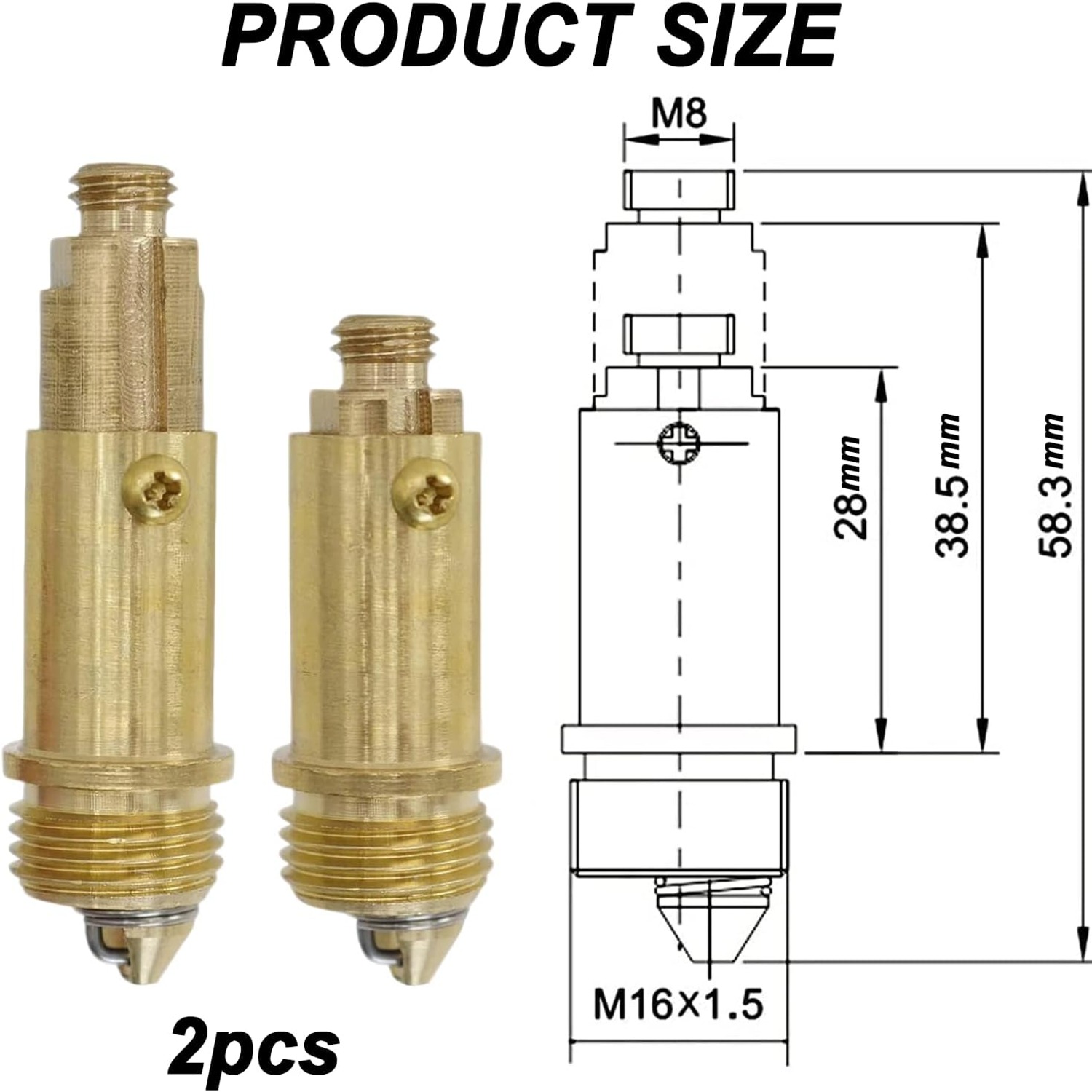
Pull your old plug out first. Press it so it pops up, then unscrew it anticlockwise by hand. Now compare it to these numbers. The top screw thread is M8. The bottom screw thread is M16x1.5. Pop up height is 38.5mm, closed height is 28mm and overall height is 58.3mm.
If you do not have thread gauges, the heights alone tell you a lot. A bolt that is dramatically taller or shorter than yours is the wrong family of part. If the heights are close and the plug head diameter looks similar, you are very likely in the right place.
One more check. Look down into the waste body while the plug is out. If the internal thread looks damaged, stripped or heavily corroded, no new plug will seal properly and the waste body itself needs attention. That is a different repair and usually a plumber's job.
Fitting it
The swap takes a couple of minutes on a normal basin.
Start by cleaning the waste seat. Wipe out the ring of grime that has built up where the plug sits, because a fresh plug on a dirty seat still leaks. An old toothbrush works well for this.
Drop the new bolt in and turn it clockwise until it is firm. Hand tight is the target. Over tightening a small brass thread is a good way to damage it, and the mechanism does not need brute force to hold water. If the waste body spins while you turn, hold it steady from below.
Then test it. Press the plug down, fill the basin a few centimetres and leave it for a minute. If the level holds, you are done. If it drops slowly, unscrew the plug, check for a hair sitting across the seal face, clean it and refit. That fixes most slow drains.
Who this suits
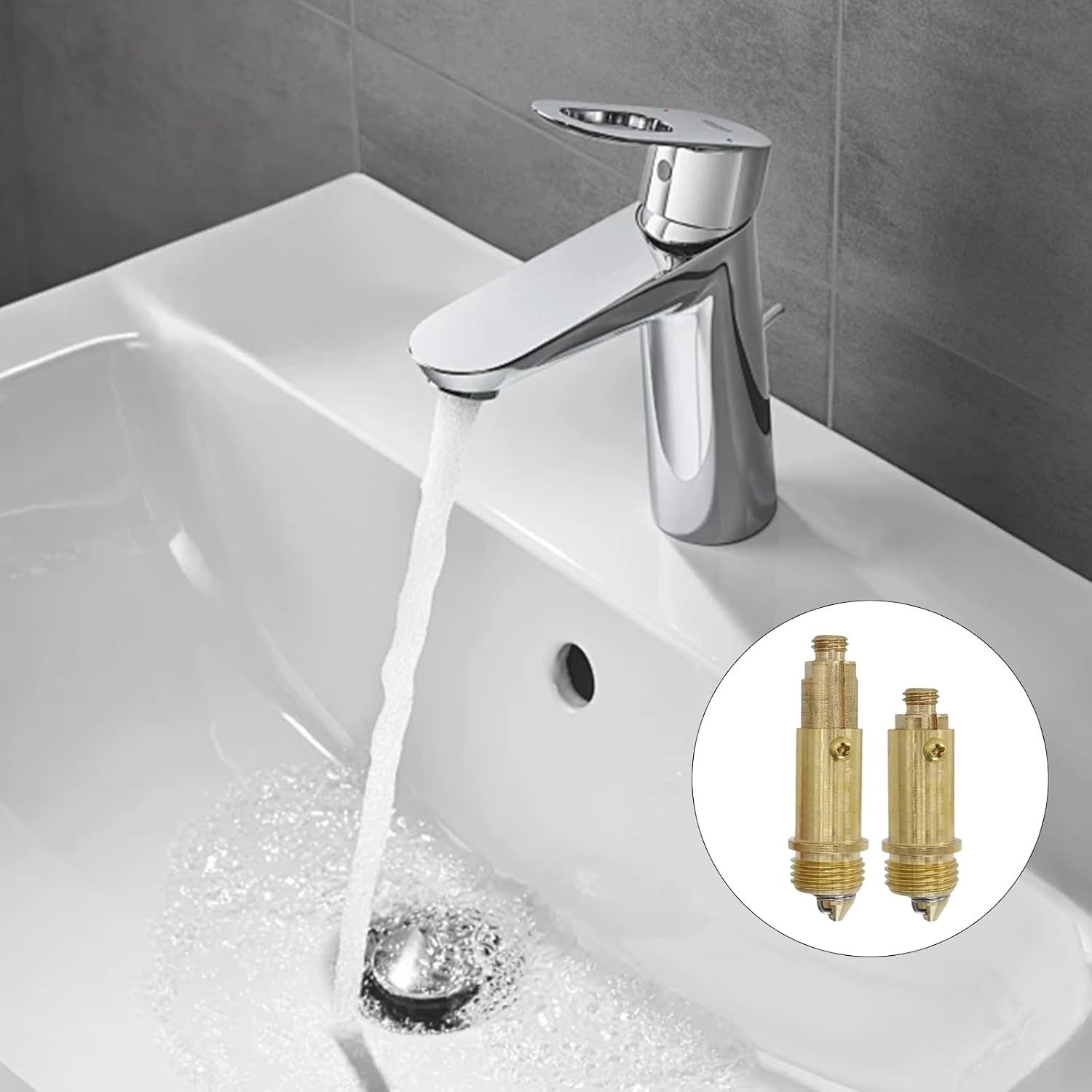
Anyone with a standard basin pop up waste that has stopped sealing. That covers a lot of households, and it covers rentals in particular, where basins get heavy use and nobody ever cleans behind the plug.
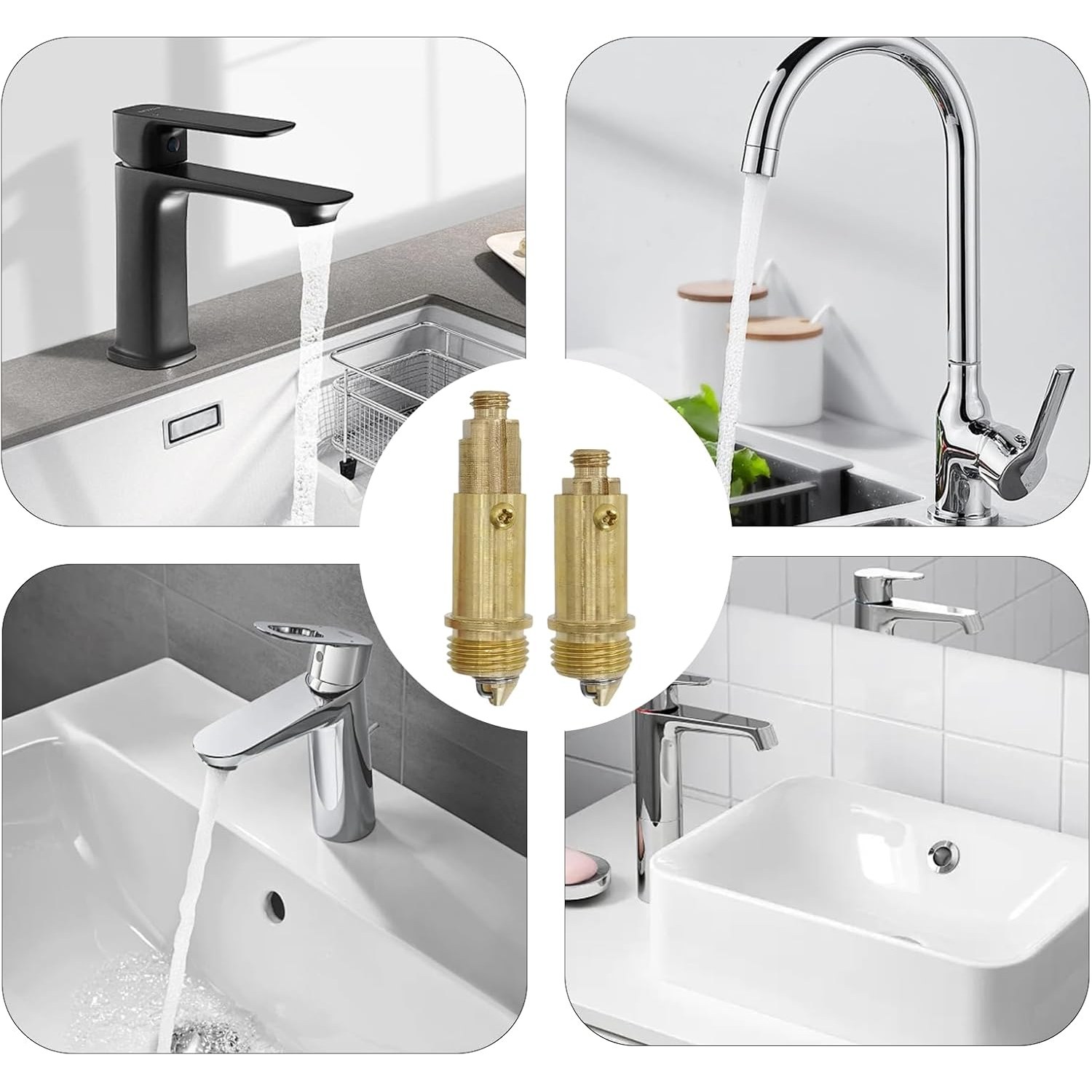
It is a common pick for landlords, property managers and anyone looking after several bathrooms, because it needs no plumbing work and the two pack covers more than one basin. Hotels and small commercial washrooms use the same style of waste, so the same fix applies.
It also suits anyone who has inherited an older place. If the previous owner fitted a cheap plug at some point, swapping it for a brass sink plug is one of the fastest small improvements you can make to a bathroom.
Keeping it working
Maintenance is light but it genuinely matters. Wipe the head dry after use and water spots never get a chance to set. Every few weeks, unscrew the plug and rinse away the hair and soap that collects around the shaft. That one habit prevents the majority of sealing complaints.
Skip bleach and strong drain chemicals on the metal. They can dull the finish and they do nothing useful for the mechanism anyway. Warm water, mild soap and a soft cloth are enough. Avoid abrasive pads, which scratch the surface permanently.
If the click action starts to feel sluggish, the usual culprit is build up on the shaft rather than a failing spring. Clean it before you assume the part is worn out.
The short version
A basin that will not hold water is almost always a worn plug bolt, not a broken basin. This brass replacement screws into standard M8 and M16x1.5 basin wastes, uses a spring push mechanism for the familiar click down and click up action, and comes two to a pack so you can fix one basin now and keep a spare.
Measure your old plug against the stated heights of 38.5mm popped up, 28mm closed and 58.3mm overall before you order. Clean the waste seat when you fit it. Rinse the plug every few weeks after that. Do those three things and the basin behaves properly again for years.