

The complete guide
How To Choose A Silicone Drain Cover That Actually Stops The Smell
The problem nobody talks about until it is warm
Most people discover their floor drain the hard way. The bathroom is clean, the towels are fresh, and yet there is a faint sour smell hanging around the tiles. You check the bin. You check the shower screen. Then you crouch down near the drain and there it is.
Floor drains are meant to carry water away, and they do that fine. The issue is the other direction. Air from the waste pipe has an open path straight back up into the room. On a cold day you might not notice. On a warm one, or when the trap below has dried out from weeks of no use, the smell gets obvious fast.
The second problem arrives on six legs. A floor drain is a sheltered, damp opening, and cockroaches treat it like a door. You can clean constantly and still get visitors if that door stays open.
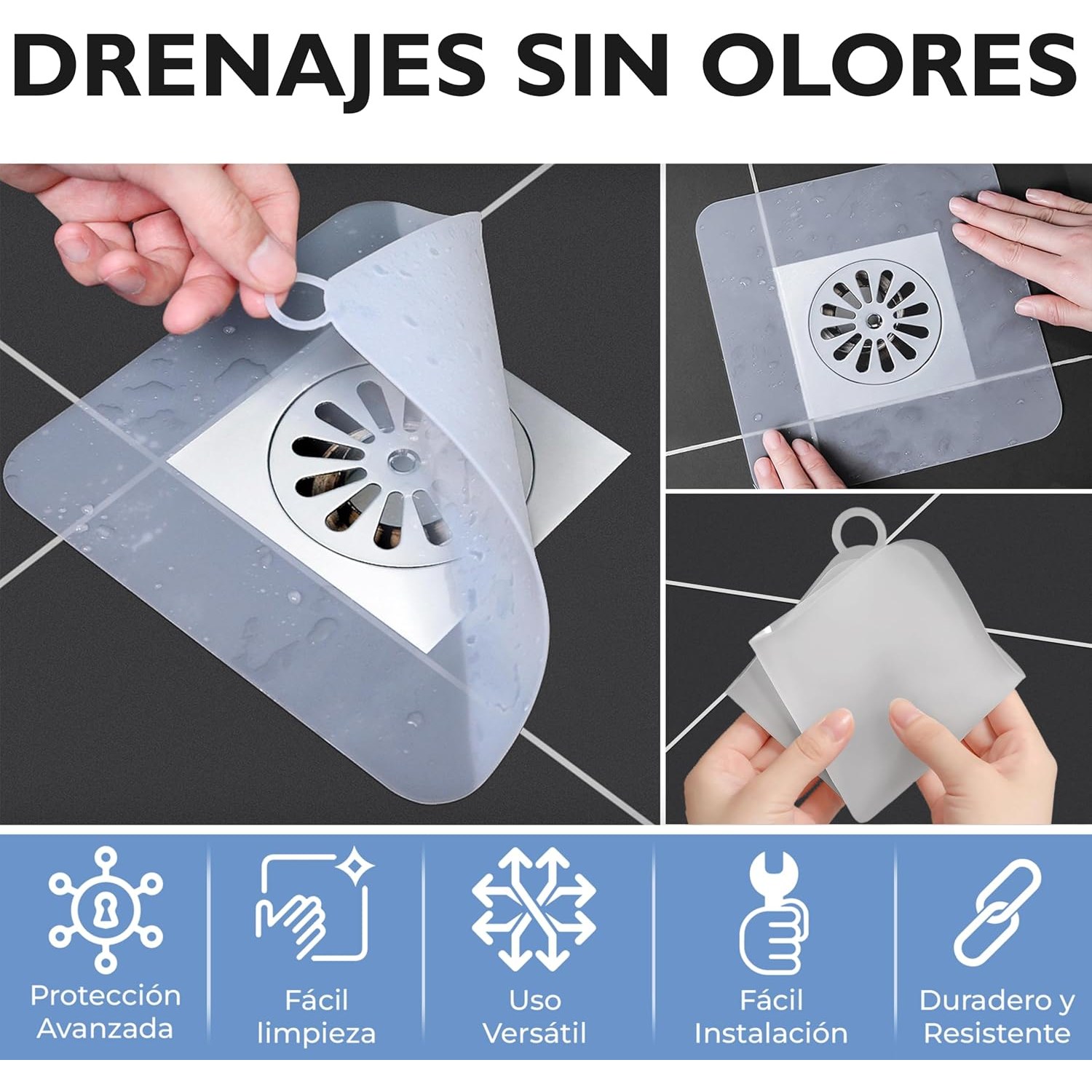
A silicone drain cover deals with both at once by covering the opening while still letting water run through to the drain. It is not a clever gadget. It is a lid, and that is exactly why it works.
How a silicone drain cover works
The idea is simple. The cover sits over your floor drain and gives rising air something to push against instead of an open hole. Water still goes down because that is the direction gravity and the weight of the water are already pushing. Air trying to come back up has a much harder time.
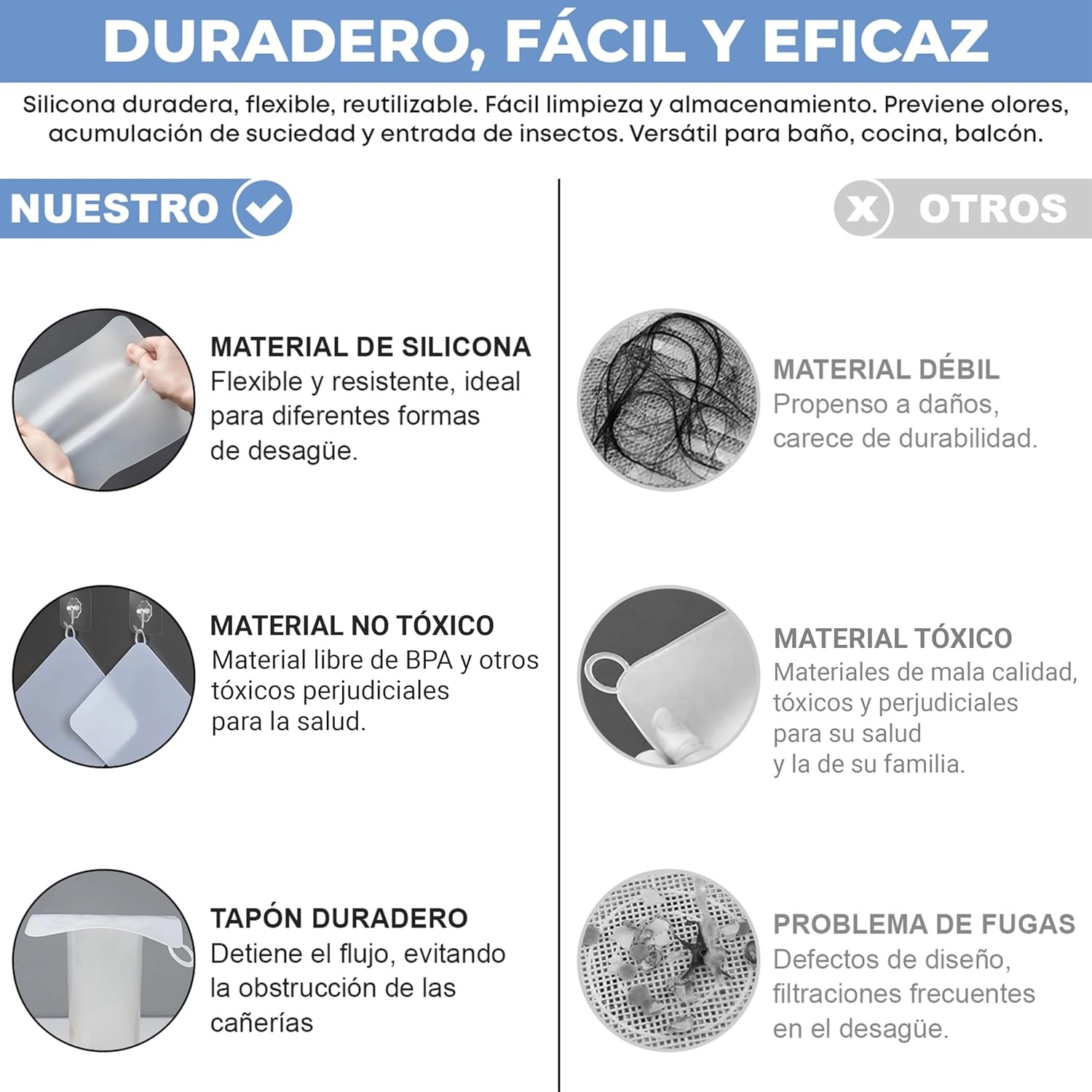
Silicone is a good material for the job for a few reasons. It stays flexible, so it settles against a floor that is not perfectly level. It does not rust the way a metal fitting can in a constantly wet shower. It handles hot water. And it takes a cut cleanly, which matters more than you might expect, because household drains are not standardised.
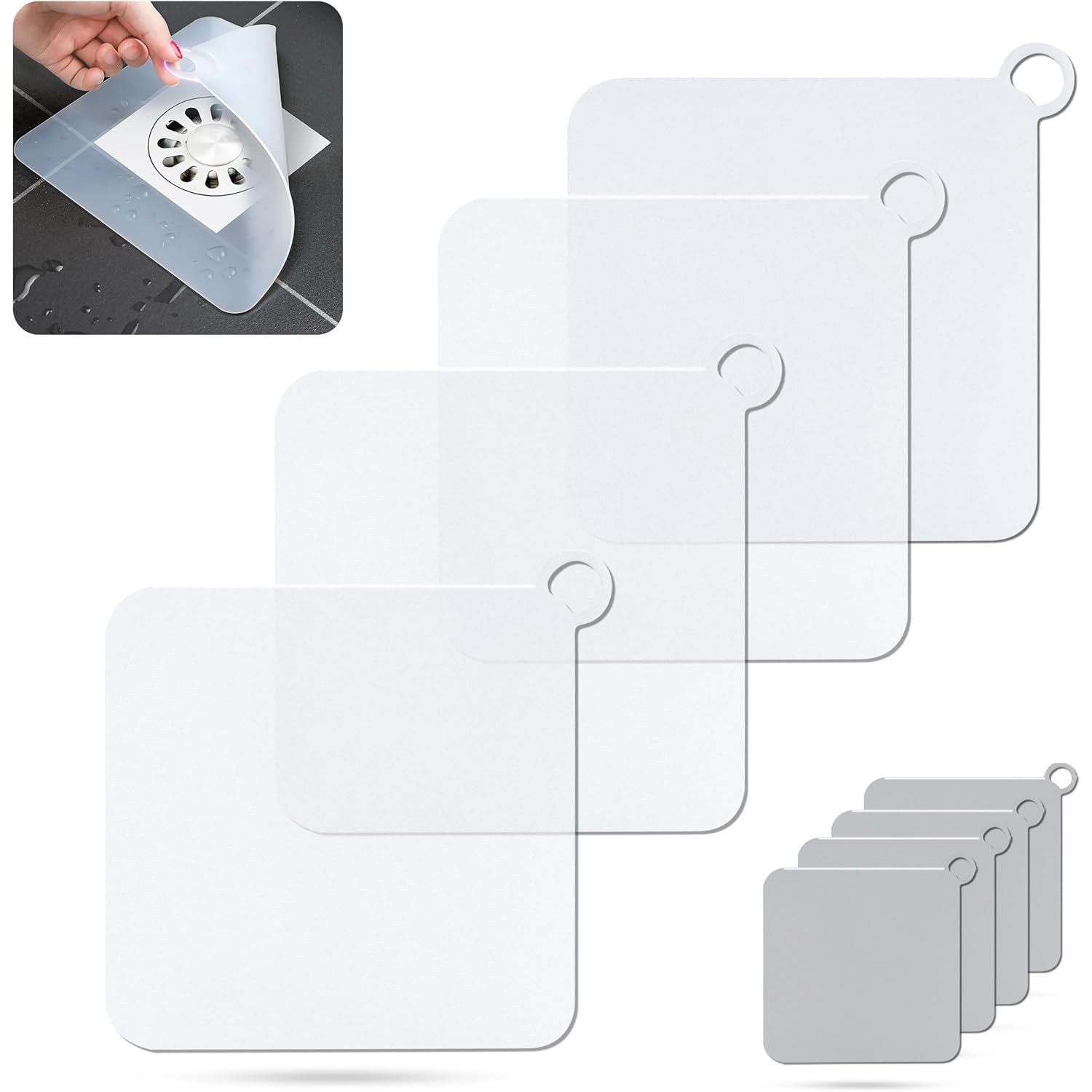
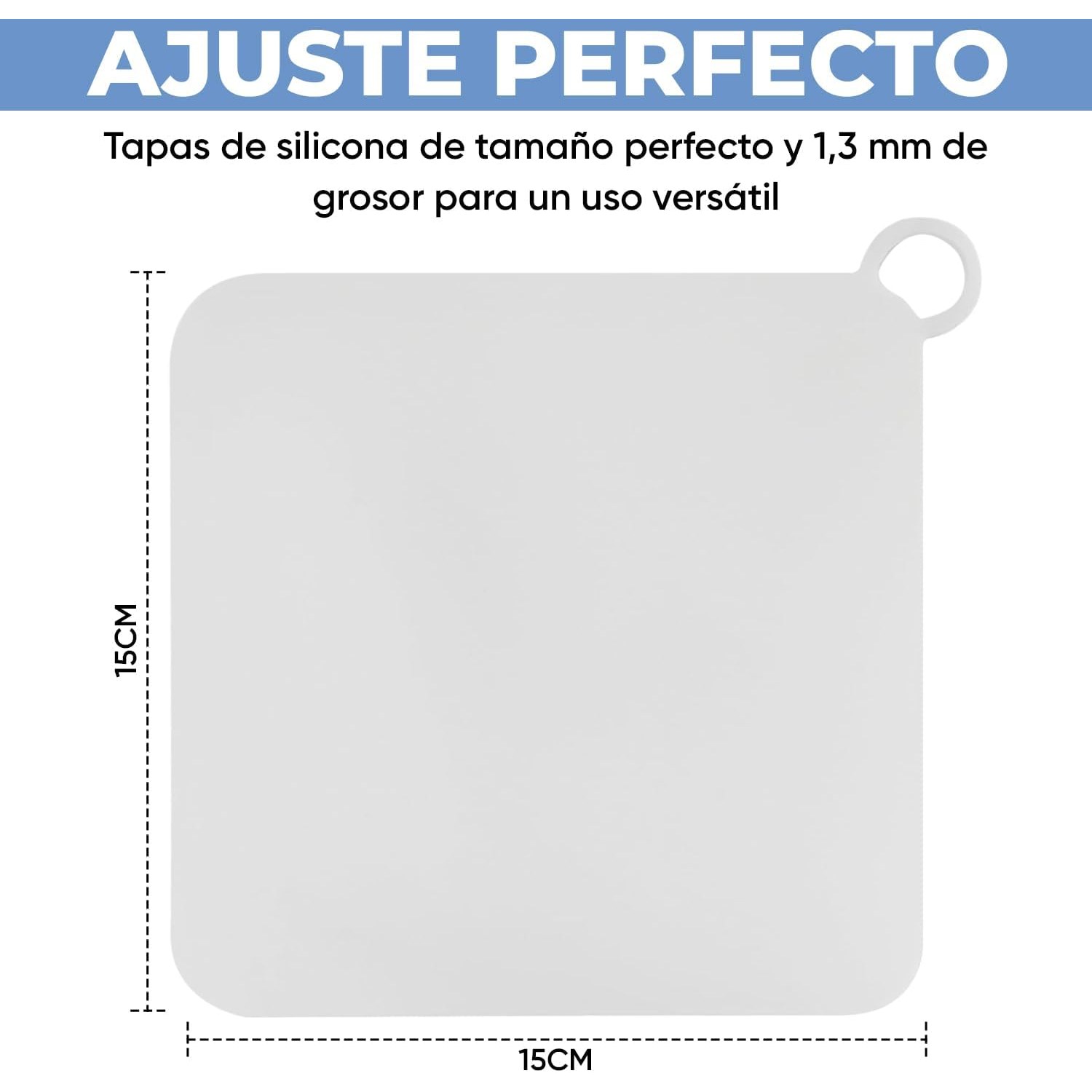
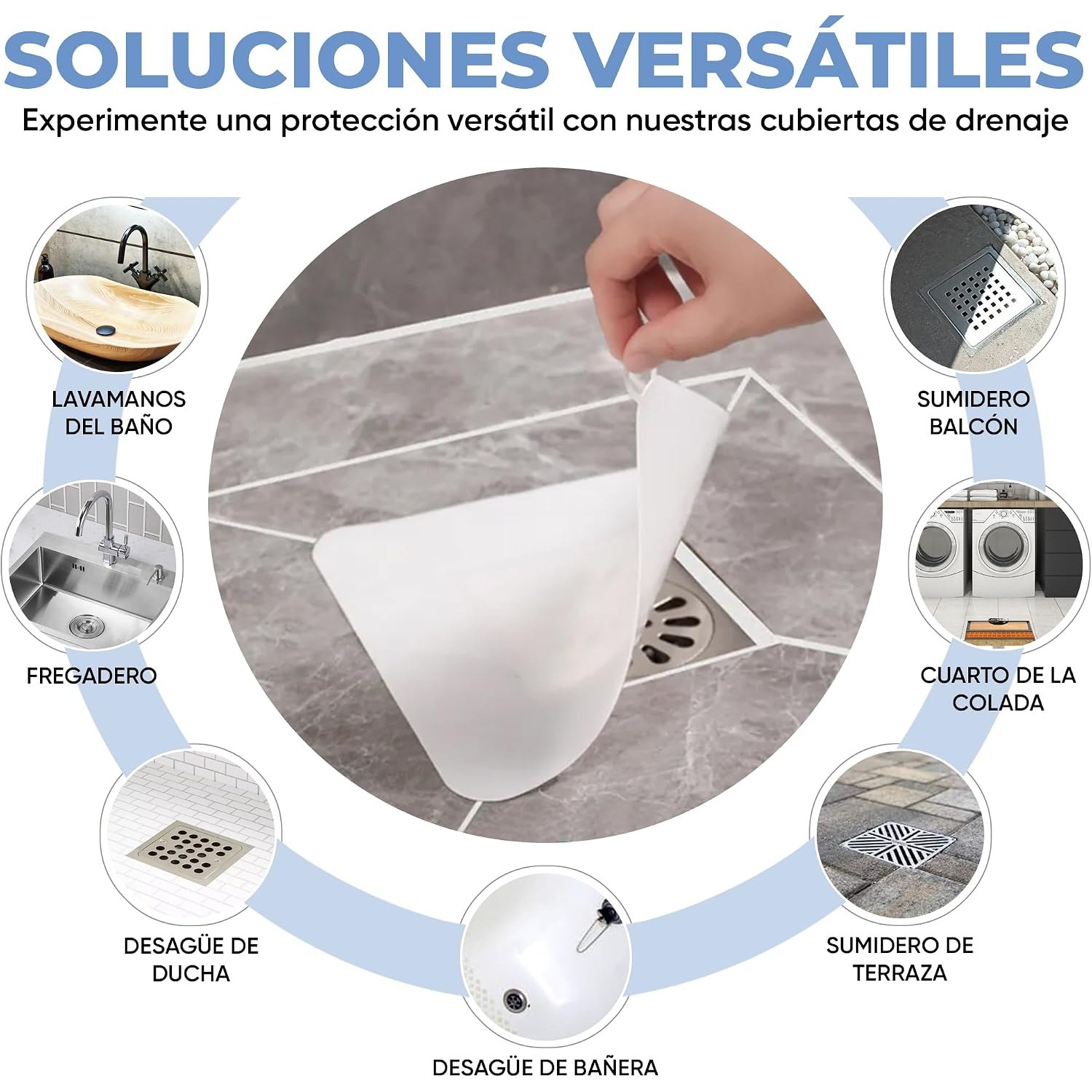
This set is four covers at 15cm each, in a smooth white finish. Fifteen centimetres is a practical size because it spans most common floor and shower drain openings with a margin to sit flat on the tile around them.
Who this suits
If you have a floor drain anywhere in your home, this is worth considering. The clearest cases are:
Bathrooms with a central floor drain. These are the ones that smell first, because hair and soap residue feed whatever is growing down there.
Laundries. A laundry floor drain can sit unused for months, which lets the water trap below dry out completely. Once that happens, there is nothing at all between you and the sewer line.
Balconies and terraces. Outdoor drains are an easy way for insects to find their way indoors, and they collect leaves and grit as well.
Kitchen floor drains, common in some house layouts, where grease and food smell tend to settle.
If your only drains are sinks and basins with proper built-in traps that get used daily, you probably have less of a problem. The flat, unused floor drain is where this kind of cover earns its keep.
Measuring before you buy
This is the step people skip, and it is the one that decides whether you are happy. Grab a tape measure and measure across the widest part of your drain opening, including the grate if there is one. Write that number down.
You are looking for a drain that fits comfortably under a 15cm cover with some surround to spare. If your drain opening is 10cm or 12cm, you are in good shape. If it is already pushing 15cm or more, the cover will not have anywhere flat to rest and you will be fighting it.
Also check the height of your grate. A flat or barely raised grate is ideal. A tall, domed grate sitting proud of the tile will stop any flat cover from sealing properly, and no amount of trimming fixes that.
While you are down there, give the drain a clean. Pull out the hair, rinse the area and let it dry. Putting a fresh cover over a drain full of gunk just hides the problem for a week.
Trimming for a closer fit
One of the better things about silicone is that it accepts a trim. If your drain sits in an odd recess, against a wall, or inside a shaped tile cutout, you can take the scissors to the edge and shape the cover to the space.
Work slowly. Use sharp scissors, cut a small amount, set the cover in place and look at how it sits. Repeat until it lies flat. You cannot add silicone back once it is gone, so patience pays here. A cut edge does not need finishing, since silicone does not fray.
If you are nervous about cutting, try one cover first. That is one advantage of a four pack. You have room to learn on the first one.
Living with it day to day
After install, the routine is short. Lift the cover out every week or two, rinse it under warm running water, and wash it with a little dish soap and a soft brush if hair or soap film has collected. Rinse, dry, put it back.
Shower drains need this most often because hair goes straight down them. Laundry and balcony drains can usually go longer between cleans, though outdoor ones collect grit and leaf matter so keep an eye on them after windy weather.
Two things to avoid. Bleach soaks, which can dull and degrade silicone over long exposure. And scouring pads or metal tools, which score the surface. Once silicone is scratched it holds grime more easily, so a smooth surface genuinely stays cleaner for longer.
If the cover ever looks chalky or marked, dish soap and a soft brush with a bit of patience usually brings it back.
What a cover does and does not fix
Worth being straight about this. A drain cover handles the opening. It does not clean the pipe below it.
If your drain smell is coming from a blockage or a build-up further down, covering the top will reduce what you notice without solving the cause. Clear the drain first, then fit the cover to keep things from getting bad again.
Same with pests. Covering a drain removes an entry point, which is genuinely useful prevention. If cockroaches are already established in the house, you need proper pest control alongside it. Think of the cover as closing a door, not clearing a room.
And if a floor drain has gone unused so long that the trap below has dried out, pour a jug of water down it before you fit the cover. That refills the trap and gives you a second line of defence.
Why four is a sensible number
Buying one cover usually means buying another two weeks later. Most homes have more floor drains than people remember. There is the one in the bathroom, the one in the laundry, often one outside, and sometimes one tucked into the kitchen floor.
Here is the thing about drain smell. It moves. You cover the shower drain, the smell persists, and you conclude the cover does not work. Then you find the laundry drain that has been sitting dry since you moved in, and that was the real source all along.
Doing all of them in one afternoon gives you a clear answer. Four covers also means you can wash one and swap in another rather than leaving a drain open while the first dries.
The short version
If you have a floor drain that smells, or you have seen insects near one, a 15cm silicone cover is a cheap and simple fix. Measure your drain first. Clean it. Drop the cover on, trim it if the space is awkward, and rinse it every week or two.
It will not solve a blocked pipe or an existing pest problem, and it should not be sold as magic. What it does is close an opening that was never meant to be left open all day, and for most households that is enough to make the smell go away and stay away.