
The complete guide
How to Choose the Right Rubber Sink Plug (and Get a Proper Seal)
The small problem that ruins a sink
A sink that will not hold water is one of those faults you put up with for months. You run the tap instead of filling the basin. You soak a baking tray in a bucket. You wash a jumper under running water and use three times as much as you need to. Nothing is broken enough to call a plumber about, so nothing gets done.
Nine times out of ten the sink is fine. The plug has failed. Rubber hardens with age, splits around the edge, or simply disappears into a drawer or down behind the cupboard. Replacing it costs very little and takes about four seconds, which is why it is worth getting the right one rather than making do with whatever is lying around.
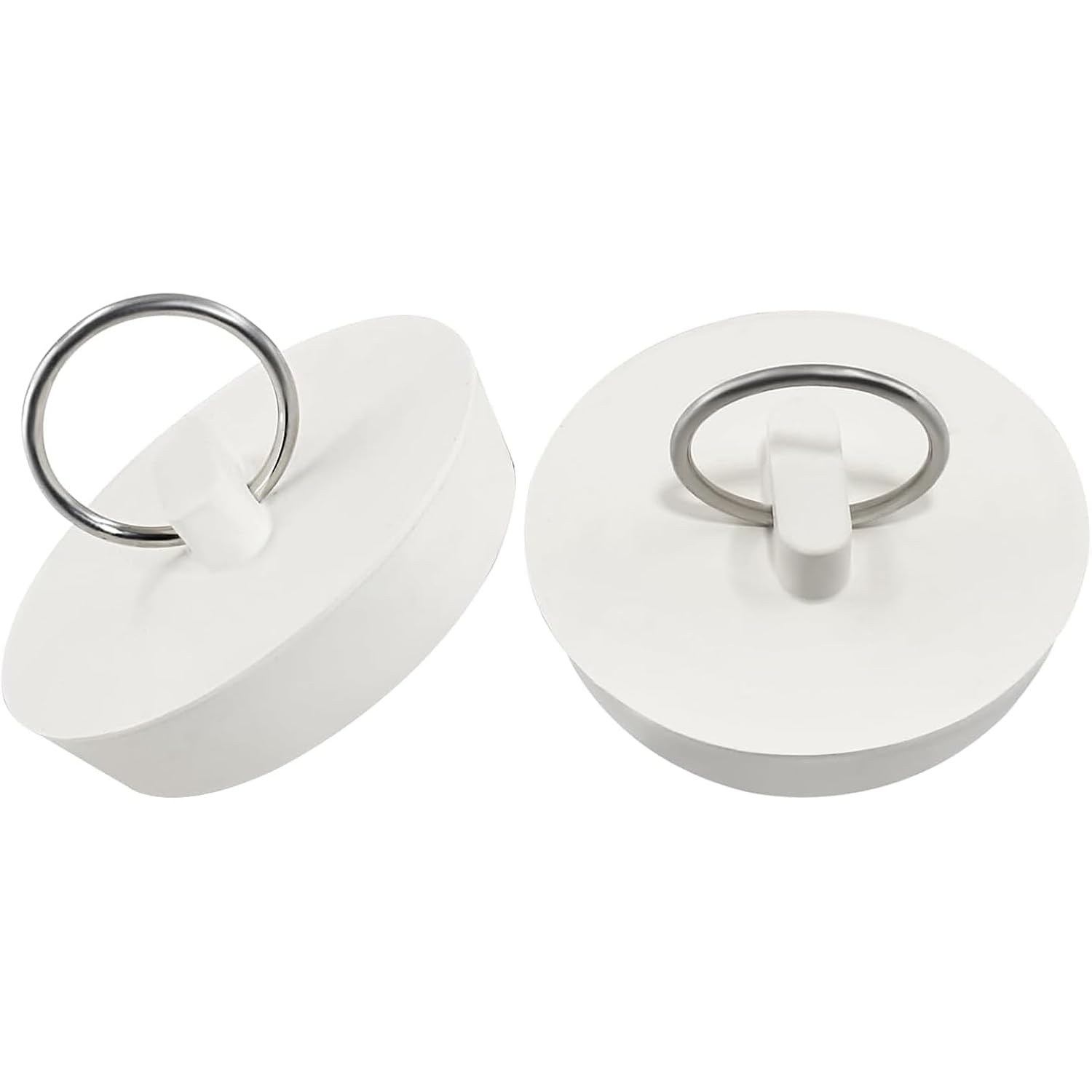
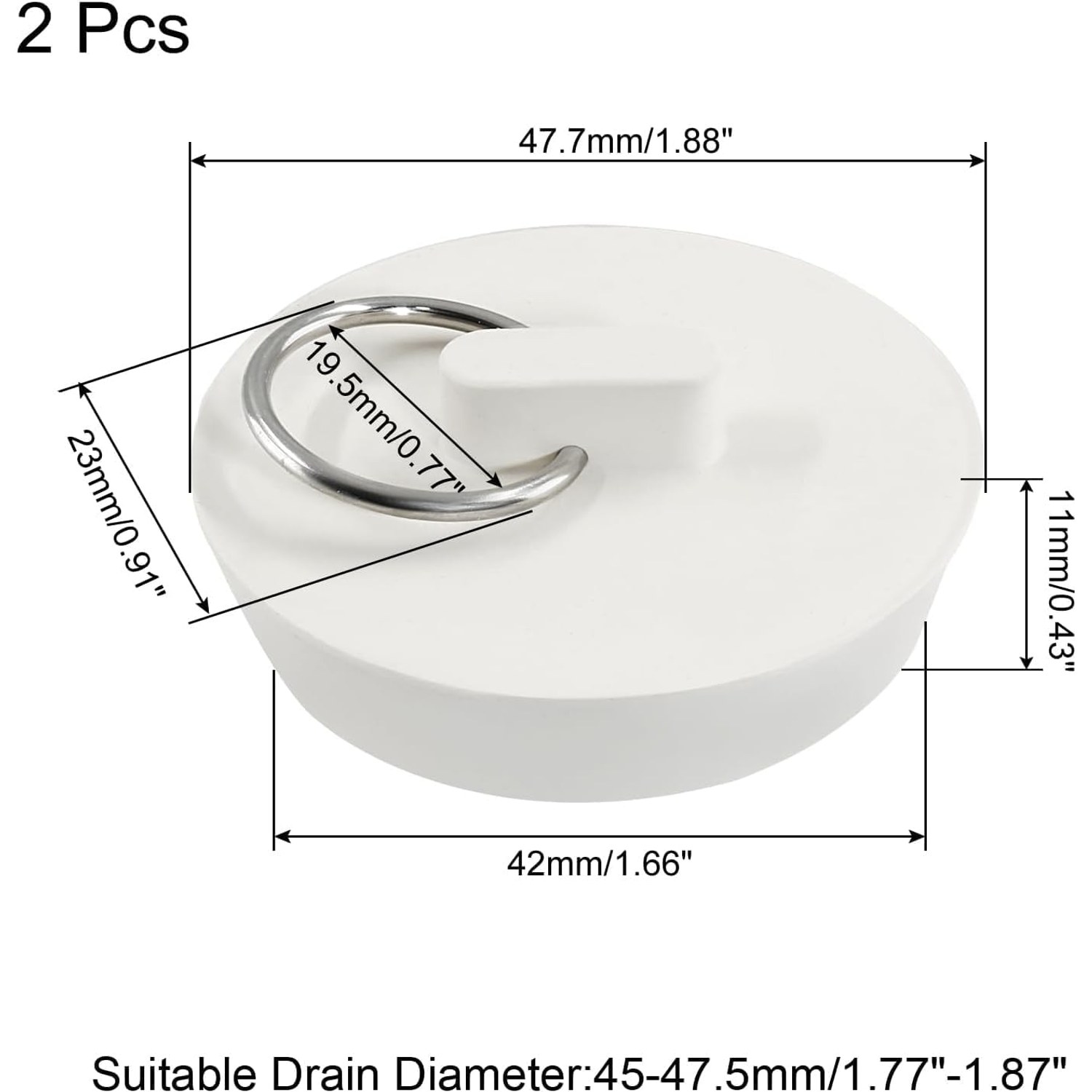
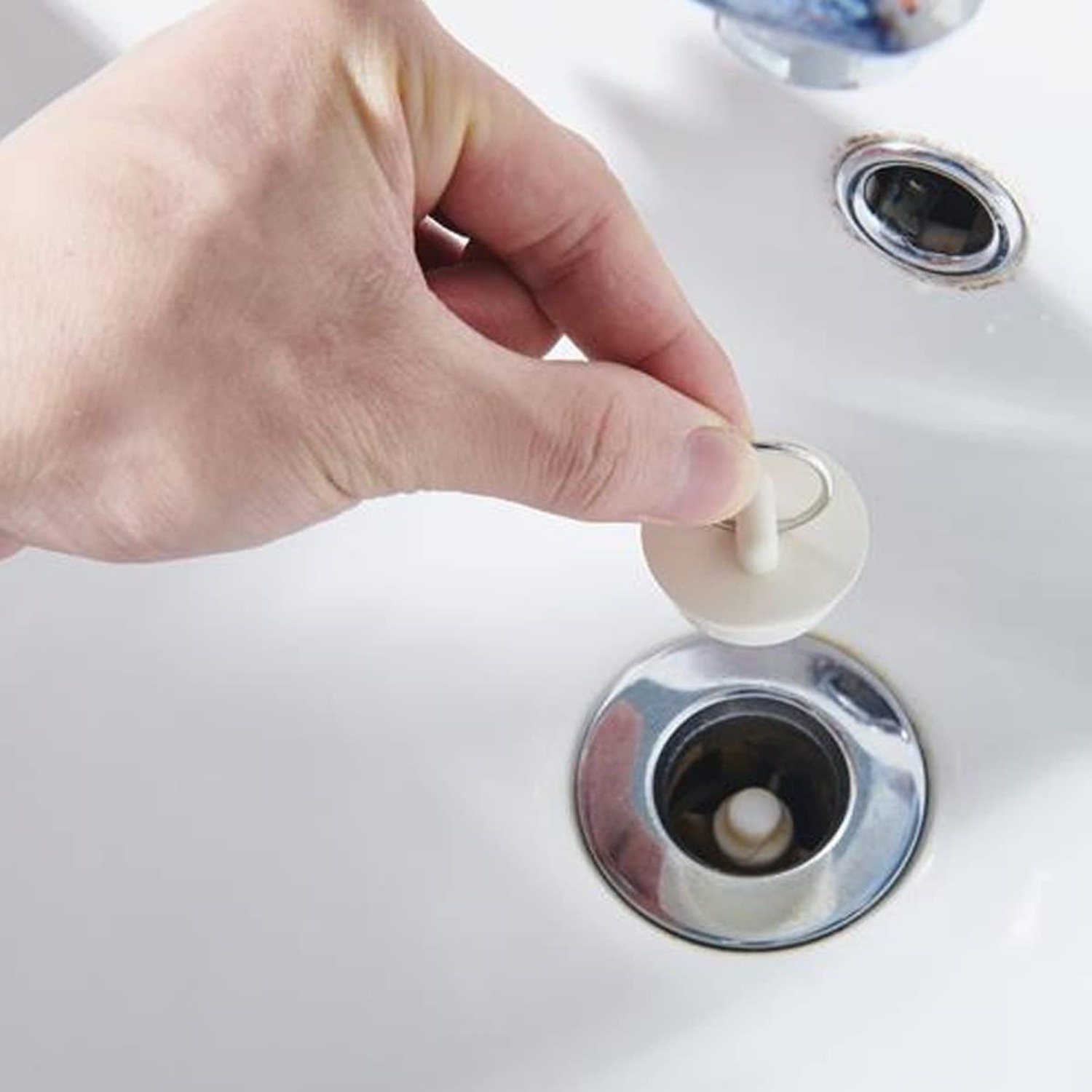
This pack is two white rubber plugs sized for drain openings between 45 and 47mm across, each with a hanging ring on top.
How a rubber plug actually seals
There is no clever engineering here, and that is the point. Rubber is a bit soft and a bit grippy. When you press a plug into a drain opening, the material spreads slightly and fills the small gaps between the plug and the metal lip. Fill the sink and the weight of the water pushes down on the plug, which presses it harder into the opening and improves the seal.
That is why a slightly oversized plug works and a slightly undersized one does not. A plug that is a touch wide squeezes in and grips. A plug that is too narrow sits loose and water finds its way around the edge, slowly at first and then faster as it works on the gap.
It also explains why old plugs leak. Hardened rubber has lost the give it needs to spread into those gaps. It sits in the hole like a coin in a slot instead of filling it. No amount of pressing fixes that, you just need fresh rubber.
Getting the measurement right
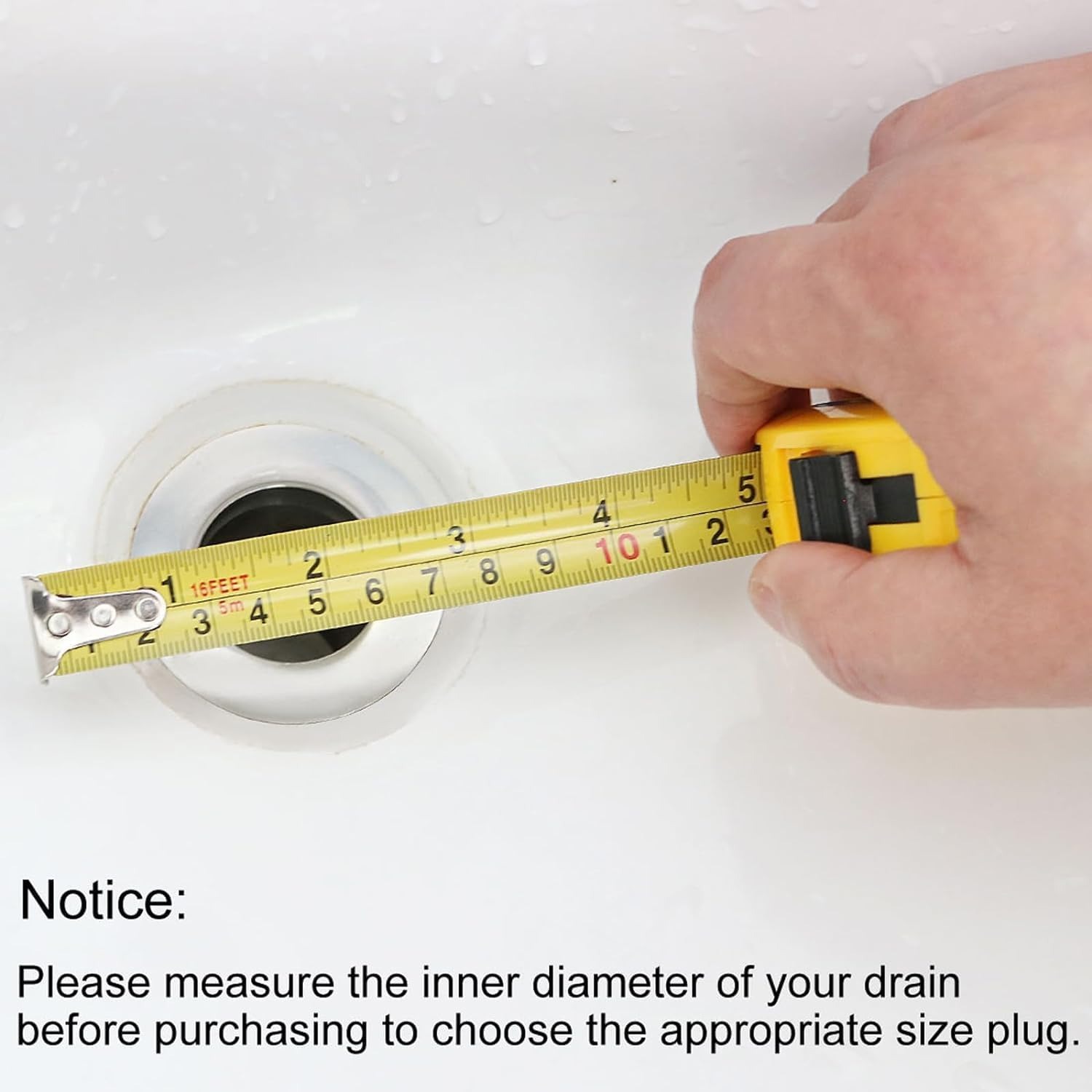
This is the one step people skip and then regret. Take a ruler or a tape measure and measure the inside diameter of the drain opening at the top, where the plug would rest. Do not measure the shiny flange or rim around the outside, and do not measure the grate if one is fitted. You want the hole itself, at the surface.
Drains often taper, so measuring part way down gives you a smaller number than the plug actually needs to match. Stick to the top edge.
If your reading falls between 45 and 47mm, this is the right plug. If it comes in at 40mm or 50mm, a different size will serve you better. There is no trick to make a plug seal in a hole it was not cut for, and trying usually ends in a basin that drains overnight.
Where these plugs earn their keep
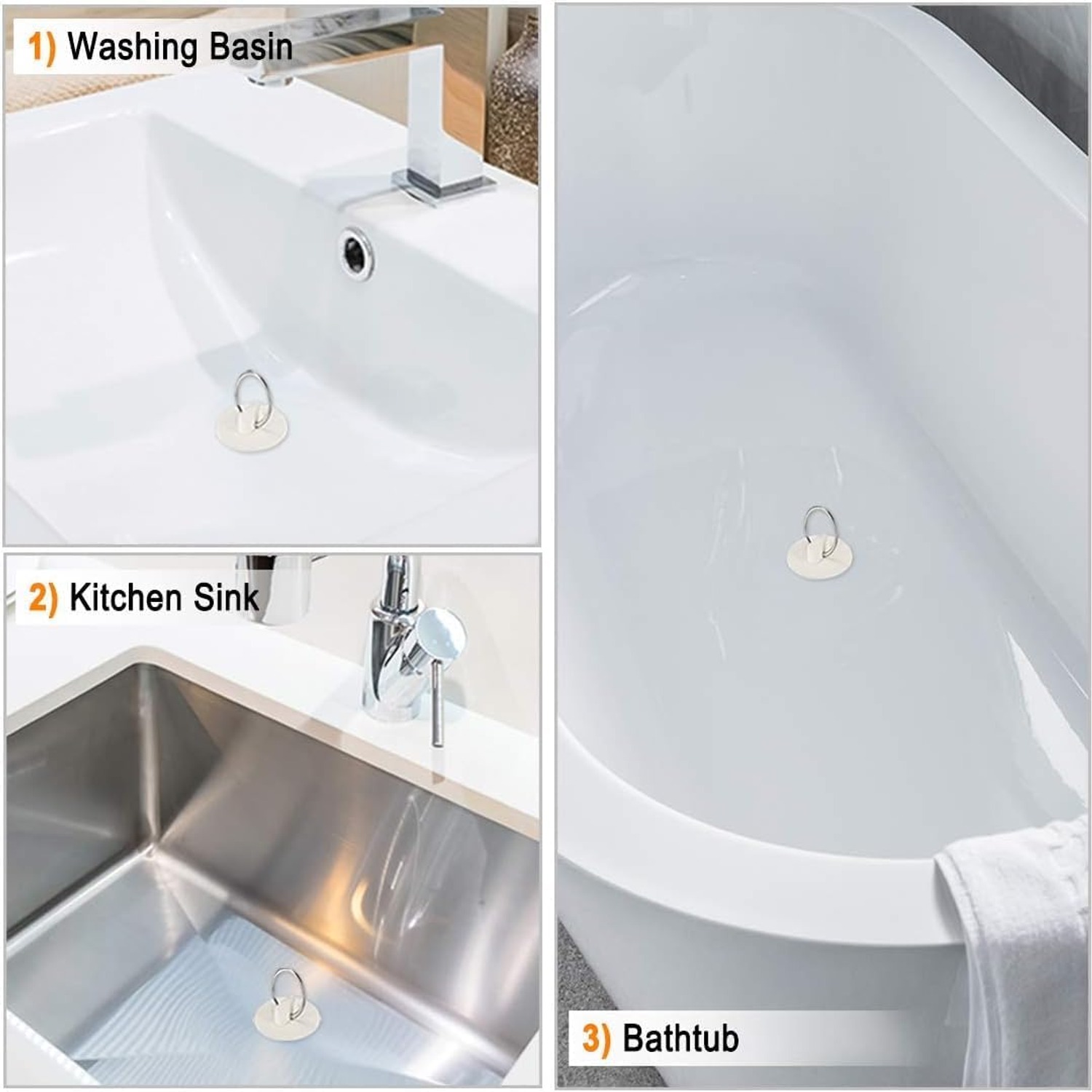
Kitchen sinks. The most common use. A working plug means you can fill the bowl once and wash a whole load of dishes in it, rather than rinsing everything under a running tap. If you are after the best kitchen sink plug for daily use, the thing that matters most is a clean sealing face, since grease is what breaks a seal in a kitchen.
Bathroom basins. Handy for soaking, for shaving, and for stopping small items disappearing down the drain. The hanging ring is especially useful here because basins are shallow and you are often reaching into cool water.
Bathtubs. If your tub has a plain round outlet in the right size, a rubber plug does the job perfectly well. Plenty of baths use a wider drain, so measure before assuming.
Laundry tubs. Utility sinks usually have a simple round opening, which suits this style of plug. If you hand wash anything, a laundry tub plug that seals properly saves a surprising amount of water.
Odd jobs. People also use plugs like these to cap pipe openings and block drains temporarily during cleaning or maintenance. Any smooth round opening in the right size range is fair game.
Why the hanging ring matters more than you think
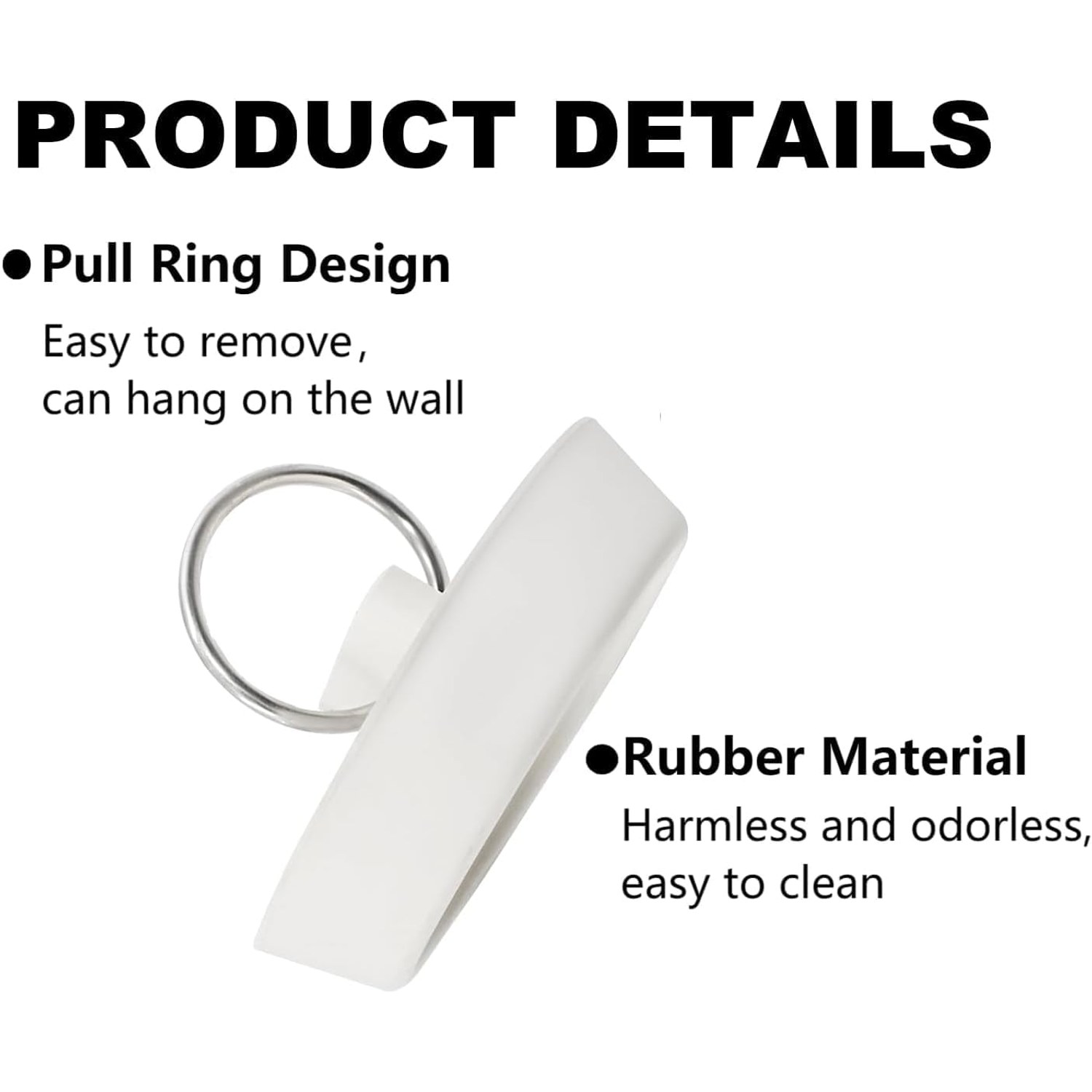
A flat rubber disc sitting in a basin of cooling dishwater is awkward to grab. The surface is wet, the rubber is slippery, and your fingertips end up in whatever was floating on top. The ring gives you a handle. One finger hooks it, up it comes, done.
The second benefit is storage. A plug with a ring can hang on a small hook beside the sink or clip to an existing sink chain if yours has one. That keeps the plug off the bench, lets it dry out between uses, and means it does not get knocked into the dish rack and forgotten. A damp plug sitting in a puddle is how rubber starts to smell.
If your sink already has a chain, most standard chain clips will hook straight onto a ring like this. The plug itself does not come with a chain.
Making a plug last
Rubber does not need much care, but a few habits make a real difference.
Rinse the plug after use. In a kitchen that means getting the grease film off, because grease leaves a slick layer that stops the rubber gripping. In a bathroom it means rinsing away soap residue for the same reason.
Dry it, or at least let it hang somewhere it can dry. Constant damp shortens the life of any rubber item.
Keep bleach and strong solvents away from it. They dry rubber out and make it brittle faster than anything else in the house. Mild dish soap and a soft cloth handle everything a sink plug will meet.
Check the sealing face occasionally. If a plug that used to work starts to leak, run a finger around the edge and over the underside. A grain of grit, a bit of hardened food, or a small nick is usually the culprit. Clean it off and the seal often comes back.
When the rubber feels stiff rather than slightly springy, it is done. That is when the second plug in the pack comes out of the drawer.
Why two is the right number to buy
Buying a single plug means that the day it splits or goes missing, you are back where you started. A pair costs barely more and solves the problem twice.
Most people fit one and keep the other as a spare. Others fit both, for example one in the kitchen and one in the laundry, assuming both drains fall in the same size range. Either way, you are covered.
If you are the sort of household where small items vanish regularly, a two pack is less a luxury and more a basic precaution.
A quick note on expectations
This is a plain rubber plug. It does not have a strainer basket, a pop-up mechanism, or a push-to-seal action. Those products exist and they have their place, but they also have more parts to fail and usually need fitting into the drain assembly itself.
What a rubber plug offers is reliability through simplicity. Nothing seizes. Nothing needs adjusting. If it ever stops working, you throw it out and drop in a new one. For most sinks, that is exactly the right trade.
The short version
Measure the inside of your drain opening at the top. If it reads between 45 and 47mm, this pack fits. You get two white rubber plugs, each with a hanging ring so you can lift them out easily and hang them up to dry.
Rinse them after use, keep harsh chemicals away from them, and they will seal a sink, basin, tub or laundry trough for a long time. When one finally hardens or splits, the spare is already in the drawer.