
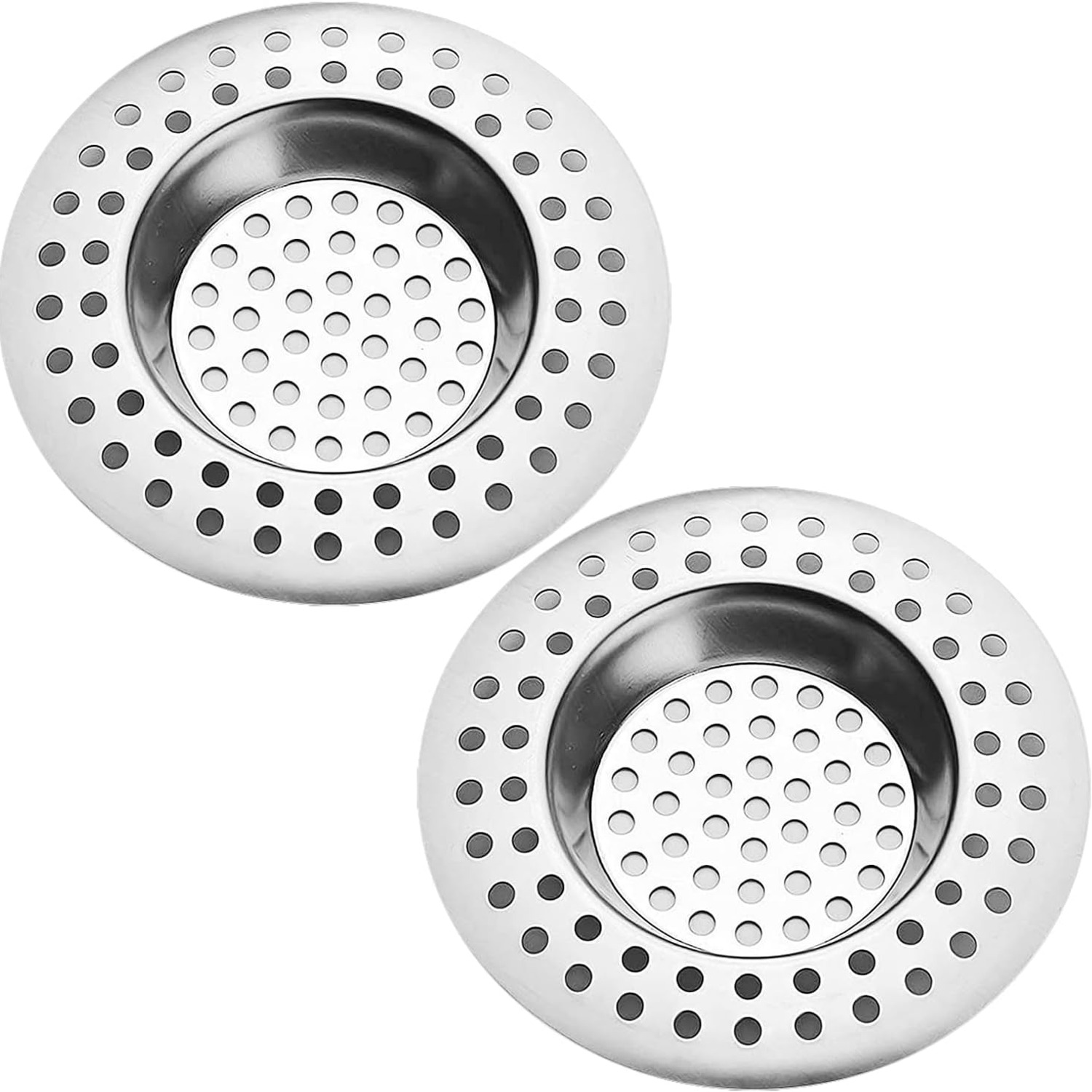
The complete guide
How to Choose a Flat Sink Strainer That Actually Fits
The slow drain nobody plans for
Nobody wakes up thinking about their kitchen drain. You think about it the morning the water sits in the bowl and refuses to move, or the evening a sour smell drifts up while you are cooking. By then the problem has been building for weeks, one tea leaf and one scrap of rice at a time.
Here is the thing. Almost everything that blocks a domestic drain goes in through a hole you can see. Food scraps, coffee grounds, loose grains, hair in the laundry tub, and the little bits of fat that cling to everything else. A flat sink strainer 75mm sits right across that opening and stops the material before it starts its journey into the pipework. It is a very small purchase for a very annoying problem.
How a flat strainer works
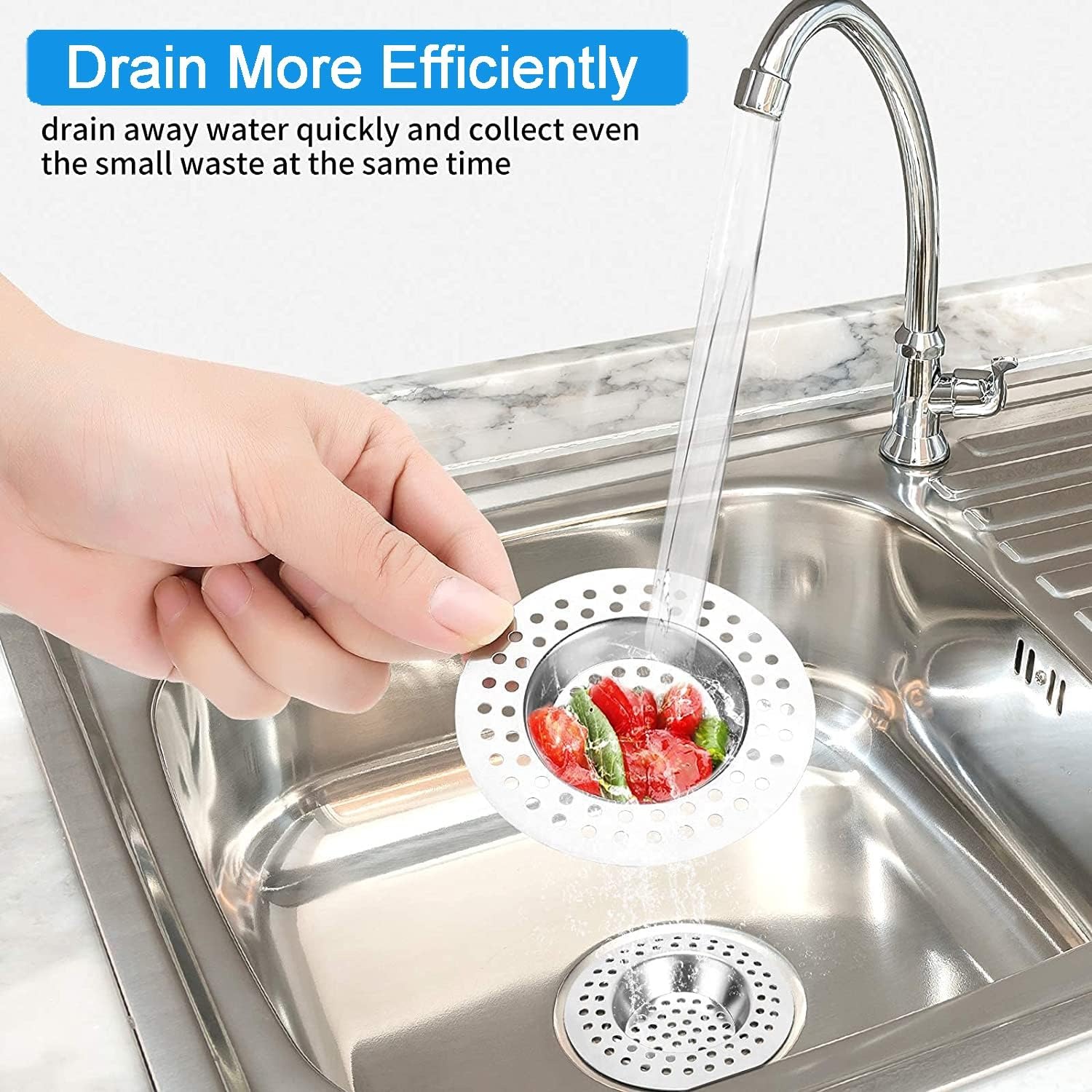
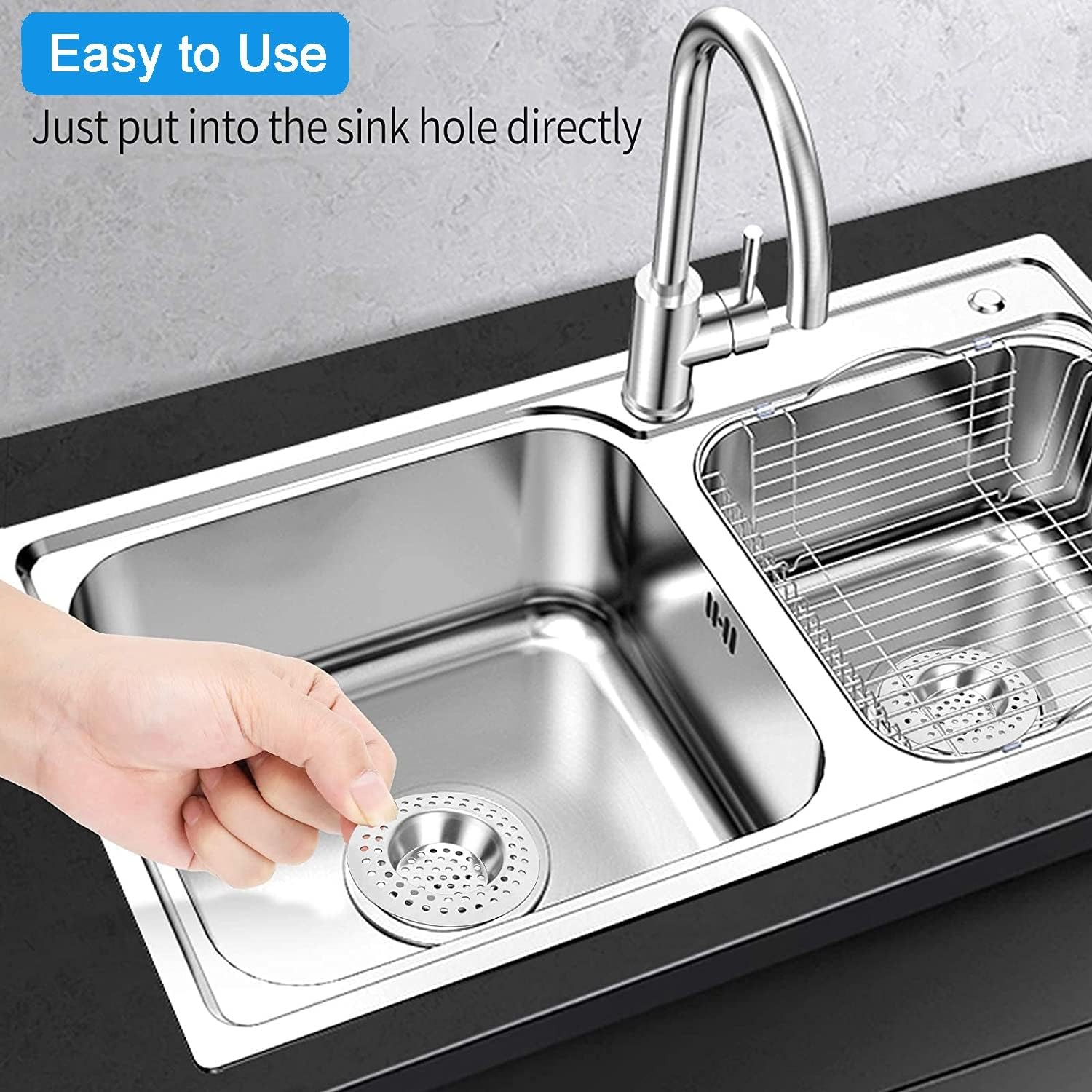
The idea is simple. A disc of stainless steel drops into the recess of your drain. The face is pierced with 90 small holes. Water and detergent pass through without hesitation, but anything solid is too big to follow and stays sitting on top where you can see it.
When the washing up is done, you lift the disc with your fingers, tip the scraps into the bin or the compost caddy, rinse it under the tap and put it back. That is the entire routine. It takes a few seconds and it replaces the far less pleasant job of fishing something unidentifiable out of a trap with a wire hook.
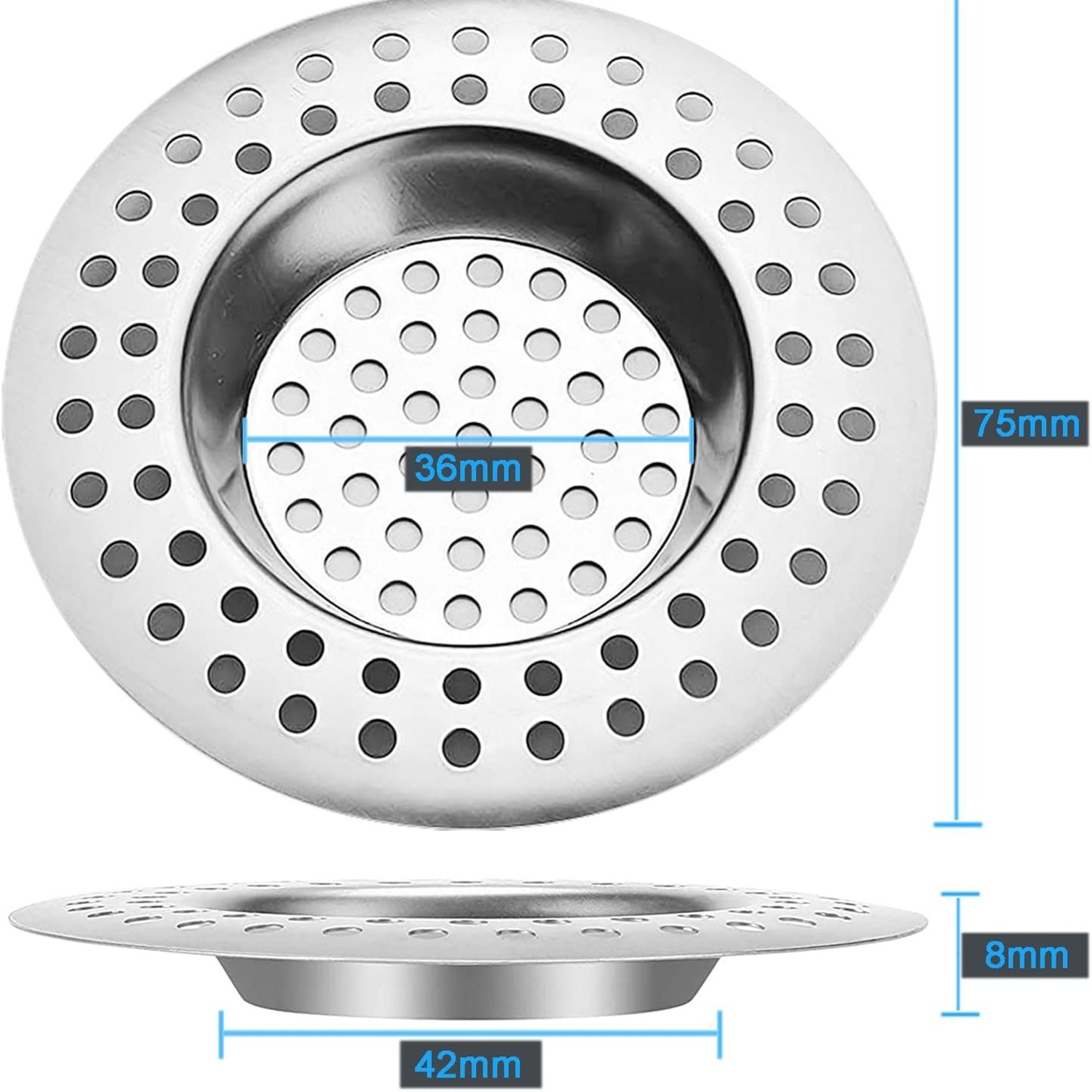
The flat profile matters more than people expect. This strainer is 7.5 cm across and only 0.8 cm high, so it sits level rather than standing up into the bowl. You can stack a roasting tray on top of it. You can fill a stockpot without knocking it sideways. Basket-style strainers hold more waste in one go, but they take up room in the sink and tend to get bumped out of position. If your sink is busy, a flat drain cover usually wins.
Why stainless steel
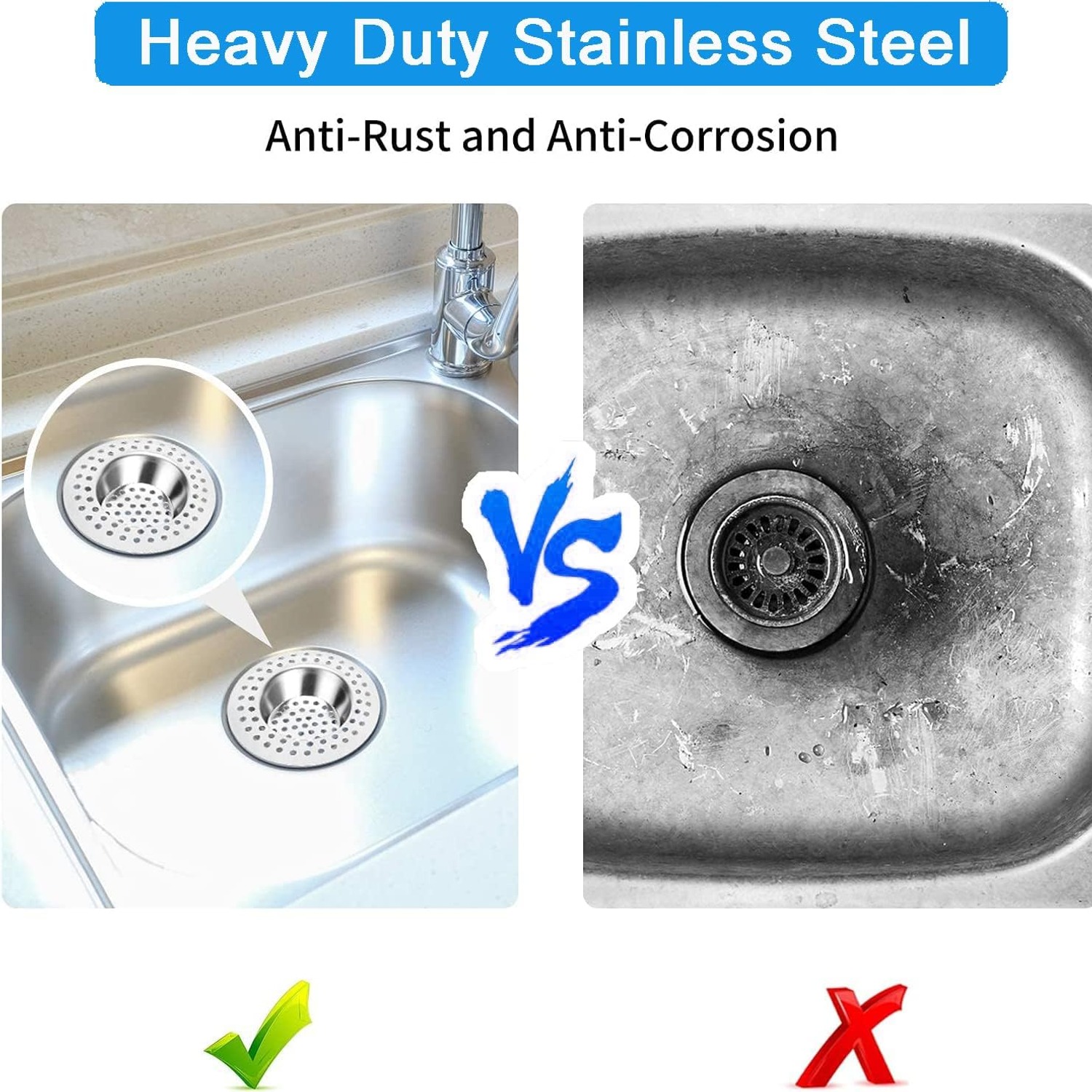
A sink is a harsh little environment. Hot water, cold water, detergent, bleach, acidic food waste, and it never really dries out. Plastic covers go brittle and stain. Plated metal chips, and then the base metal underneath starts to rust around the chip.
Stainless steel does not have that failure point. This strainer is described as rustproof, with anti-rust and anti-corrosion properties, and the steel has been thickened rather than left thin and flimsy. The practical result is that it keeps looking like a piece of kitchen hardware instead of a tired bit of junk after six months. A wipe with warm soapy water brings the finish back whenever it starts to look dull.
The weight also helps. A thin disc tends to float or shift under a strong stream of water. Something with a bit of substance stays put in the groove.
Measure before you order
This is the single most important part of buying any sink strainer, and it is the step people skip.
Drain openings are not standardised across every sink in the world. This model is sized for a 75 mm groove diameter, with the disc itself measuring 7.5 cm across. To check yours, run a tape measure across the widest point of the drain opening, rim to rim. Write the number down.
If your measurement lands at or very near 75 mm, you are in the right place. If it is noticeably smaller, the disc will sit proud and rock. If it is noticeably larger, it will drop through or sit unevenly and let scraps slip past the edge. A thirty second measurement saves a return.
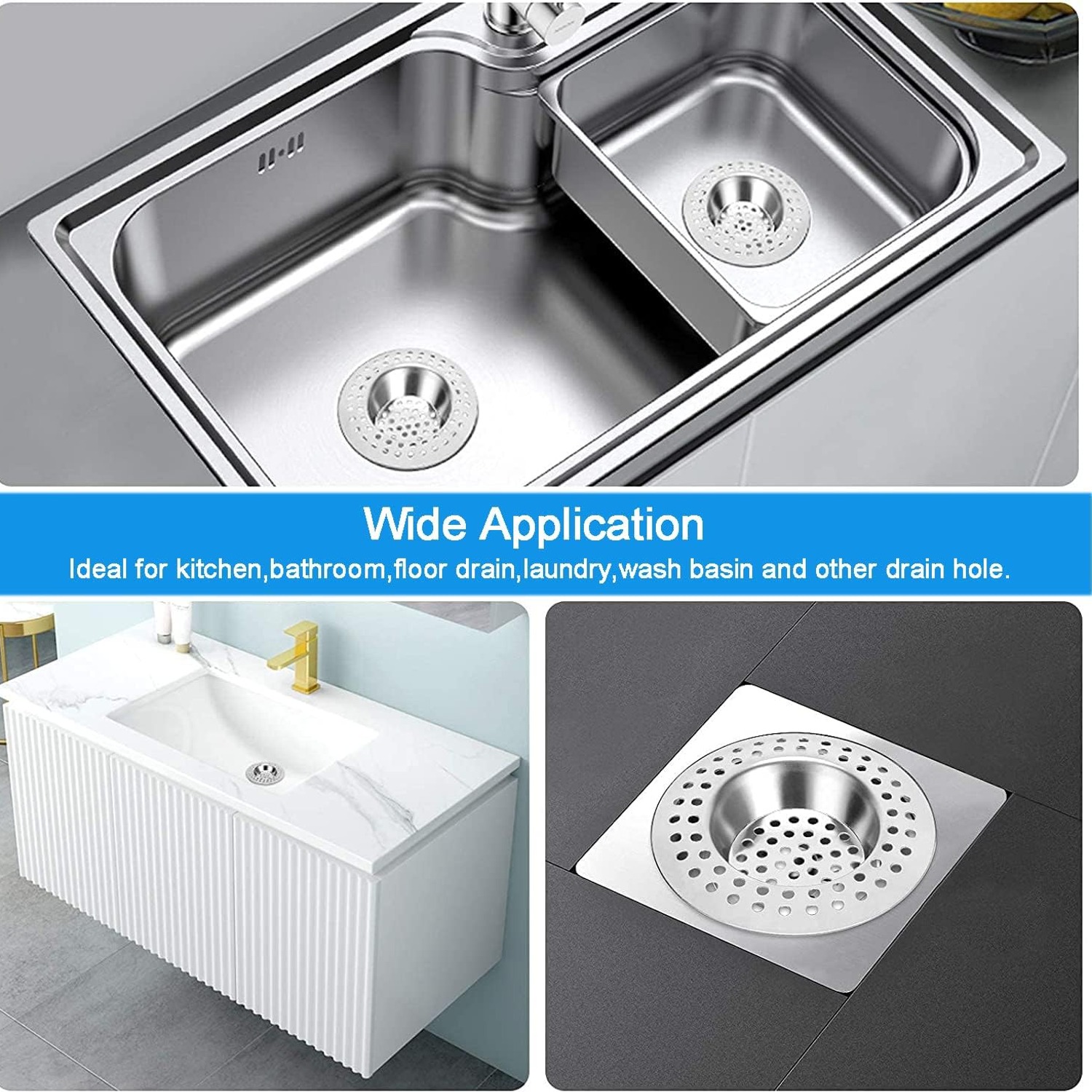
It is worth measuring every drain you might want to cover, not just the kitchen. People often assume the laundry tub matches the kitchen sink, and sometimes it does, but not always.
Who it suits
Households that cook from scratch get the most out of a sink strainer, because that is where the vegetable trimmings, rice, pasta and coffee grounds come from. If you prepare a lot of fresh food, you are sending a steady stream of solids toward your pipes every day.
Renters like them for a different reason. You cannot control the state of the plumbing in a place you do not own, and a drain filter is a removable, no-tools way of protecting a system you inherited. Nothing is drilled, glued or permanently changed.
Anyone with long hair in the house will appreciate the pack of two. A sink hair catcher in the bathroom basin or the shower stops the slow strangling of the waste pipe that eventually calls for a plumber. Hair is the hardest thing to clear once it is down there, because it tangles and holds everything else in place.
Older homes with narrow or ageing pipework benefit more than new builds. Where the pipes already run close to their limit, keeping solids out is not about convenience, it is about avoiding a call-out.
Choosing between the styles
There are a few common designs and they suit different habits.
A flat perforated disc, like this one, is the low-profile option. It is unobtrusive, easy to clean and good for a sink that is constantly in use. It holds a modest amount of waste before you need to empty it.
A deep basket strainer sits down into the drain and collects more material, which means fewer trips to the bin. The trade-off is that it stands up into the bowl and takes a bit more effort to clean properly, because waste packs into the base.
Fine mesh domes catch very small particles like coffee grounds and tea leaves, but they also clog quickly and need rinsing more often.
For most kitchens, a flat stainless steel strainer plug covers the everyday case well. The 90-hole pattern on this model is a sensible middle ground. The openings are small enough to stop ordinary food waste but numerous enough that water still clears fast.
Keeping it clean
Care is easy, and doing it regularly is what keeps the strainer working.
Empty it after each wash-up rather than letting scraps sit there overnight. Wet food left on a strainer will smell, and that defeats the purpose. Once a week, give it a proper wash in warm soapy water with a soft brush to lift any film that has built up in the holes. Rinse it and dry it off.
Skip the steel wool and the gritty scouring powders. They will scratch the finish and leave it looking cloudy. Stainless steel responds much better to a soft cloth and a little patience than to brute force.
If you ever notice water draining slowly with the strainer in place, lift it out and check the holes. Fat and fine sediment can glaze over the perforations over time, and a brush under hot water clears it in a moment.
A few practical habits
The strainer does the heavy lifting, but a couple of small routines make it work better.
Scrape plates into the bin before they reach the sink. The strainer should be your second line of defence, not your first. Avoid pouring cooking fat down the drain at all, because fat cools and coats the inside of the pipe where no strainer can reach it. Run hot water through the drain for a few seconds after washing up to help carry away anything fine that did get through.
Remove the strainer before running a sink waste disposal unit unit. The product notes say it suits most sink drains and disposals, but metal and a grinder are never a good combination.
The short version
Blocked drains and bad smells almost always start with food and hair going somewhere they should not. A flat sink strainer 75mm stops that at the source for the price of a takeaway coffee or two.
This one is stainless steel, rustproof, 7.5 cm across and 0.8 cm high, with 90 drainage holes and two in the pack. It sits flush, lifts out in a second and cleans up with soapy water.
Measure your drain opening first. If it comes out around 75 mm, this will do the job quietly for years.