
The complete guide
How To Choose A Bath Plug That Actually Holds Water
The problem with the plug you already have
Bath plugs fail quietly. You notice it when you run a bath, walk away for ten minutes, and come back to find the water sitting three inches lower than you left it. Or you notice it because there is no plug at all, just an empty drain where the previous owner's one used to be.
There are a few usual causes. Old rubber plugs harden with age and heat, and once the rubber loses its give it cannot mould to the drain any more. Chains snap at the weakest link, which is almost always where they meet the plug, and then the plug itself disappears down the back of a cupboard. Some baths were fitted with a pop-up waste that has worn out and no longer closes tight. And in rentals and holiday places, the plug is simply gone, because small loose items tend to walk.
Replacing a fitted plug sounds simple until you try it. You need the right diameter, the right chain length, sometimes the right thread. Buy the wrong one and you are back at the hardware shop. That is the gap a flat silicone stopper fills.
How a flat drain stopper works
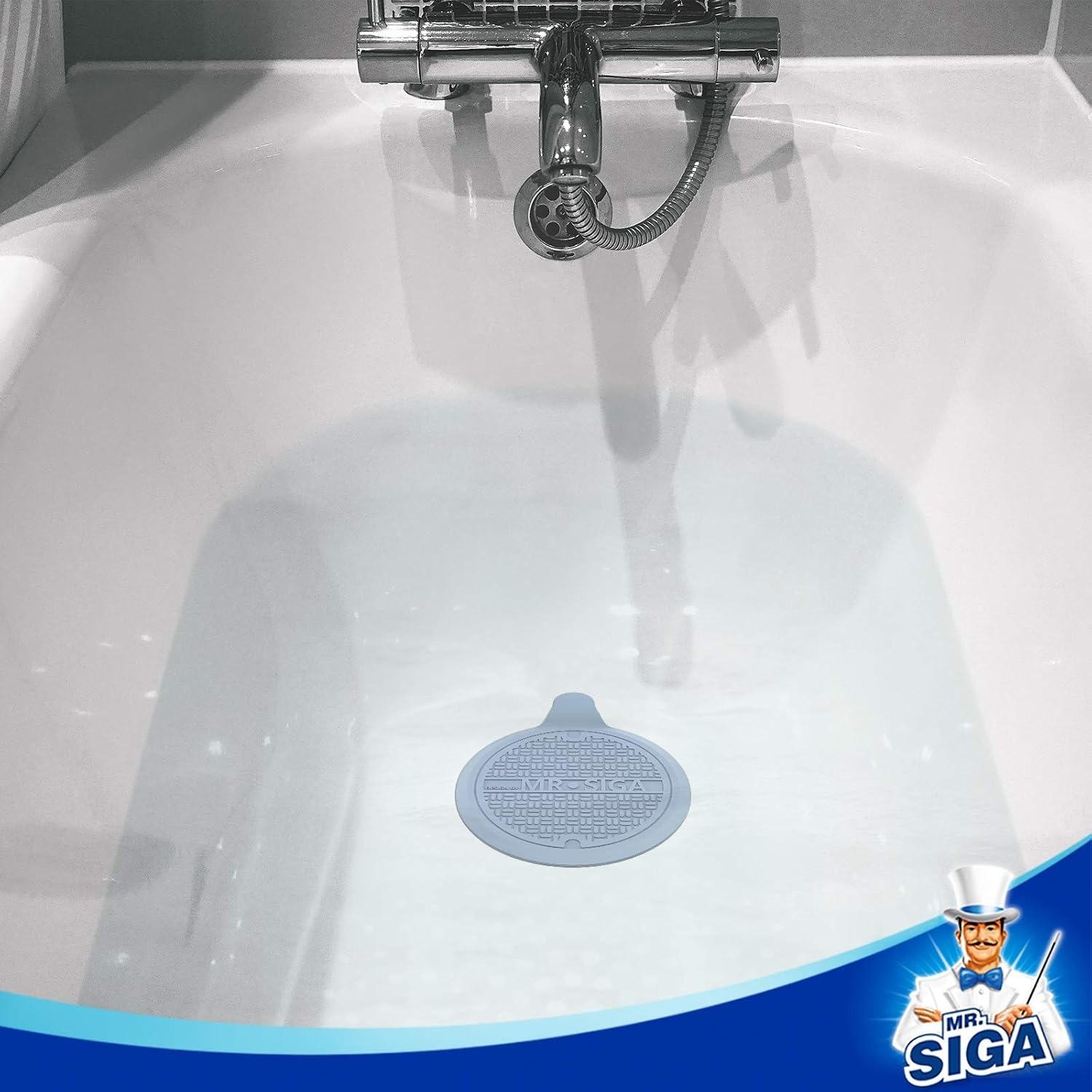
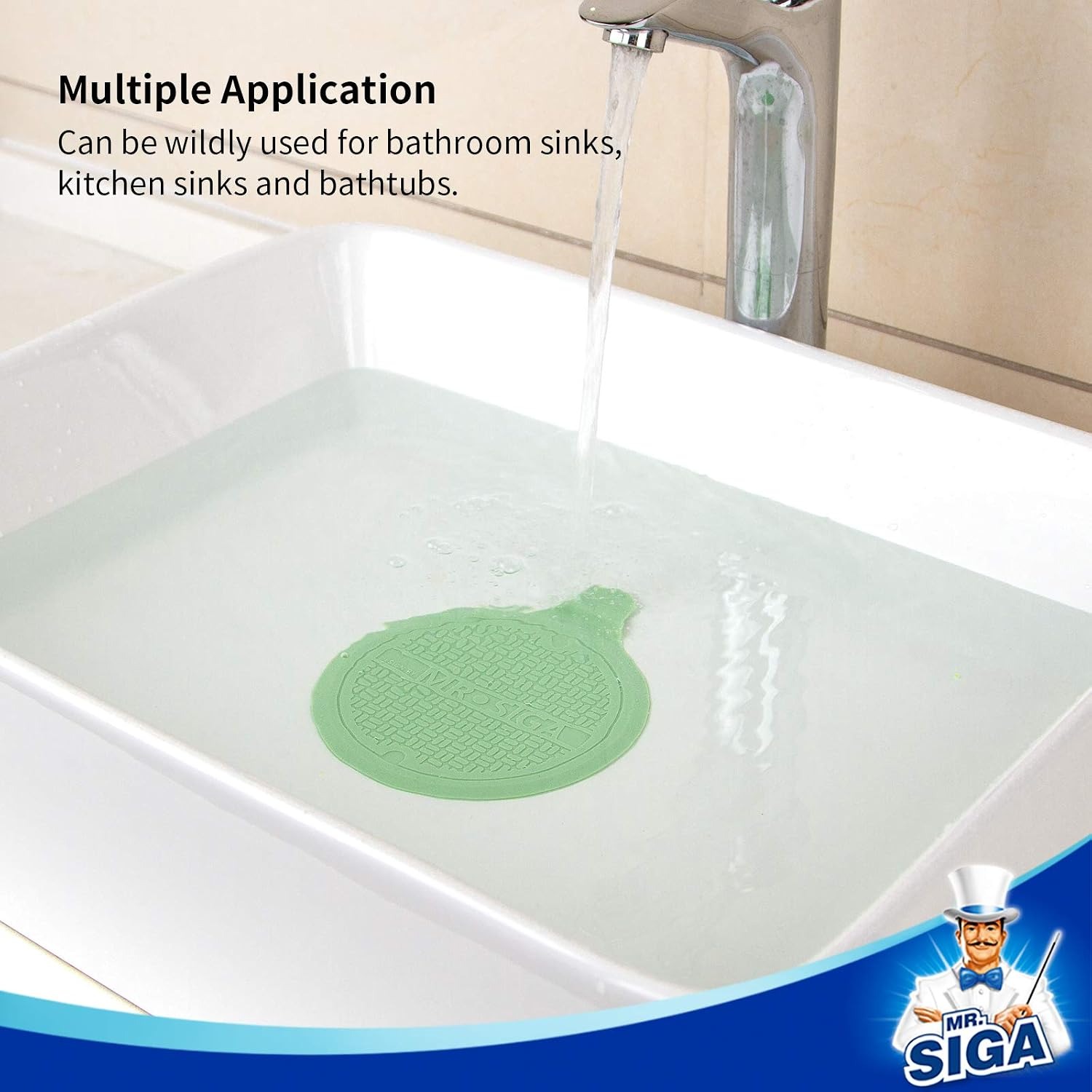
A flat stopper does not go into the drain. It goes over it. The disc sits on the flat area that surrounds the drain opening, and the seal happens along that contact ring rather than inside the pipe.
Two things make it hold. The first is the material. Silicone is soft and flexible, so it conforms to the tiny dips and scratches in a metal or ceramic drain surround that would let water past a hard plug. The second is physics. Once water sits on top of the disc, that water pushes down. The deeper the bath, the harder the push, and the tighter the seal gets. A flat plug is at its weakest when the tub is nearly empty, which is exactly when it does not matter.
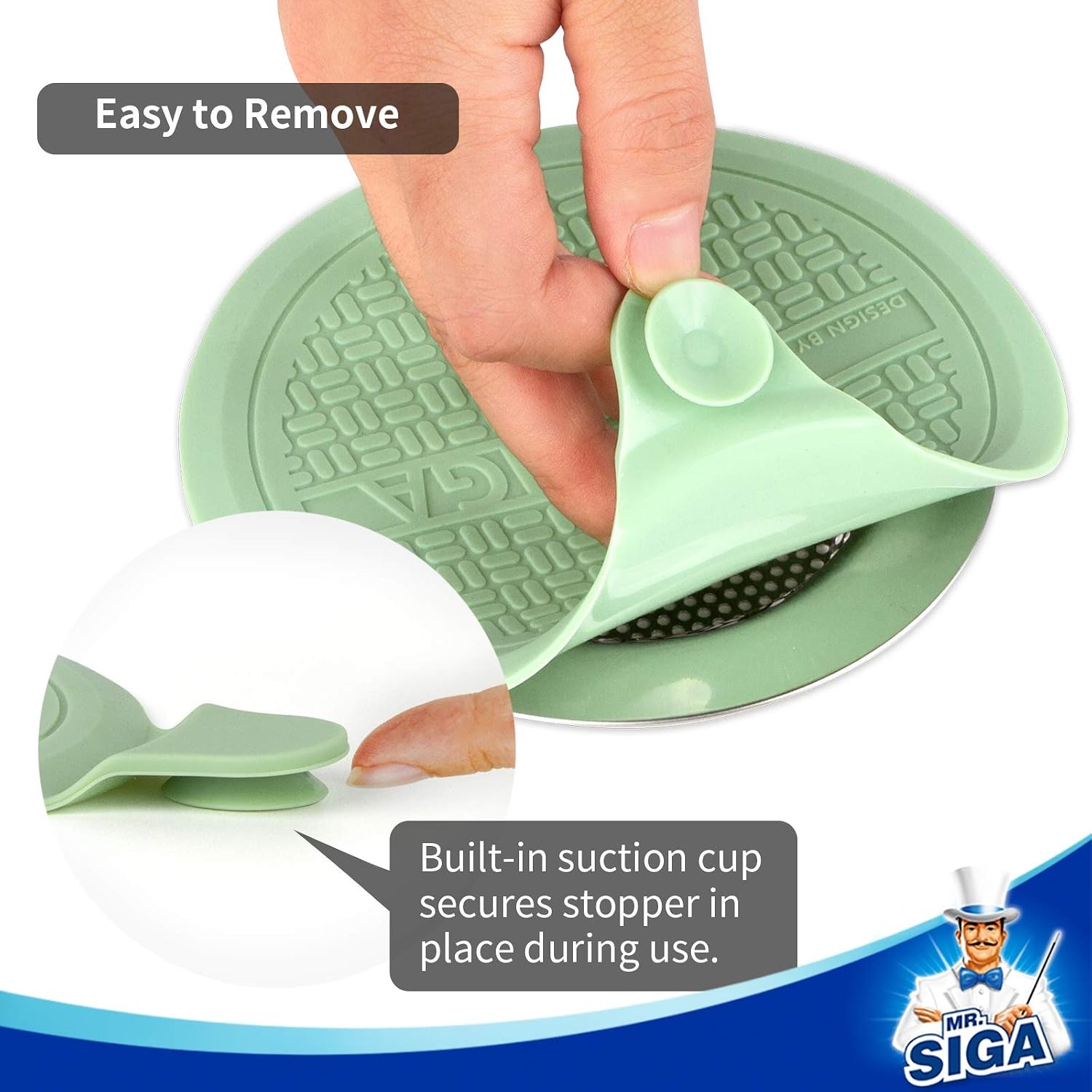
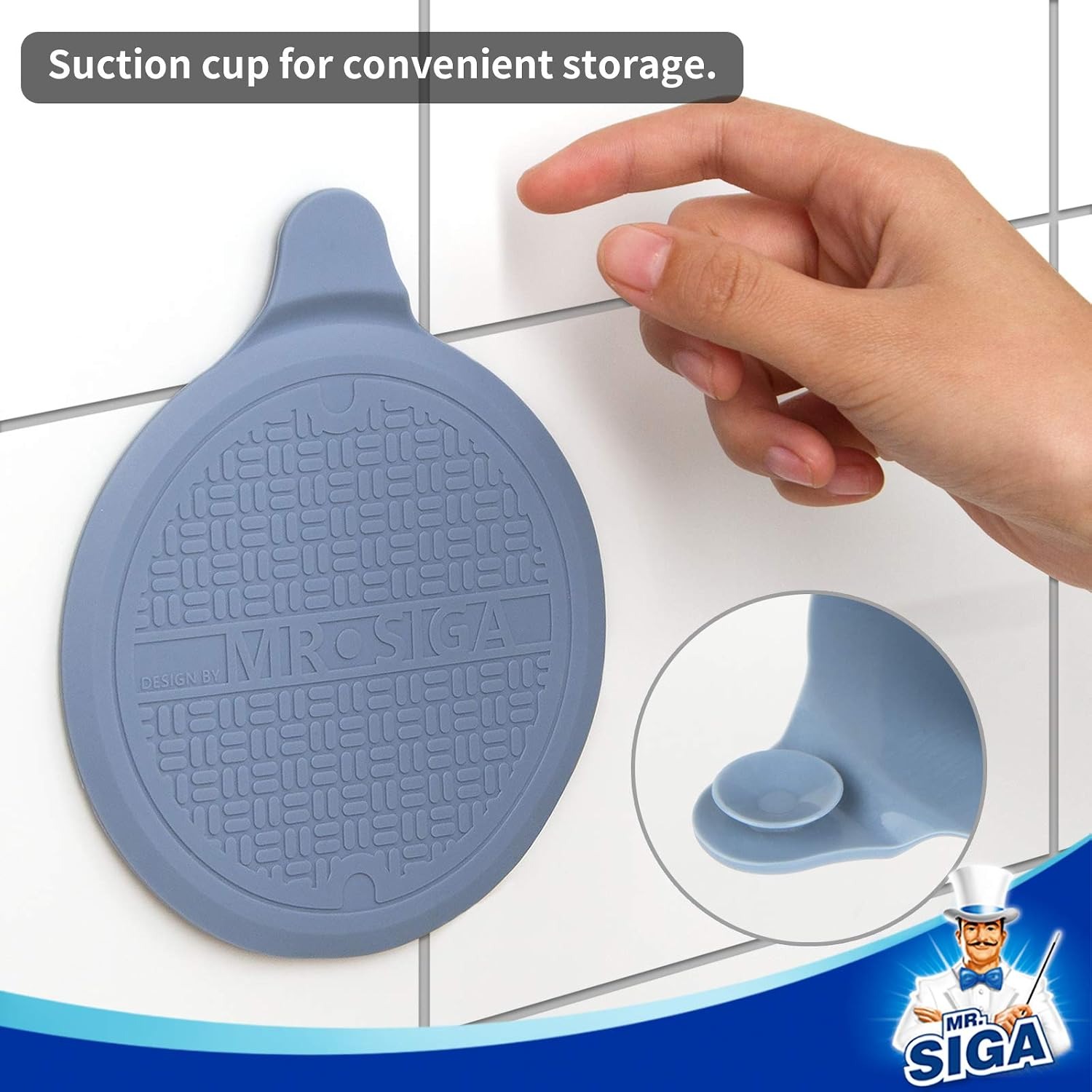
The suction cup in the centre adds the third piece. Press it and it anchors the disc so it cannot slide sideways as the water swirls in. It also stops the plug from being nudged off by a foot. When you want to drain, you pull the cup and the whole thing lifts clean away.
Who this suits
Renters get the most obvious benefit. You can bring a universal bathtub stopper with you, use it in whatever bathroom you land in, and take it with you when the lease ends. No tools, no permission, no modification to the fitting.
People with an awkward or non-standard drain are the next group. If you have measured your drain, found no matching plug in stock, and given up, a flat disc that covers the hole instead of filling it works around the whole sizing problem.
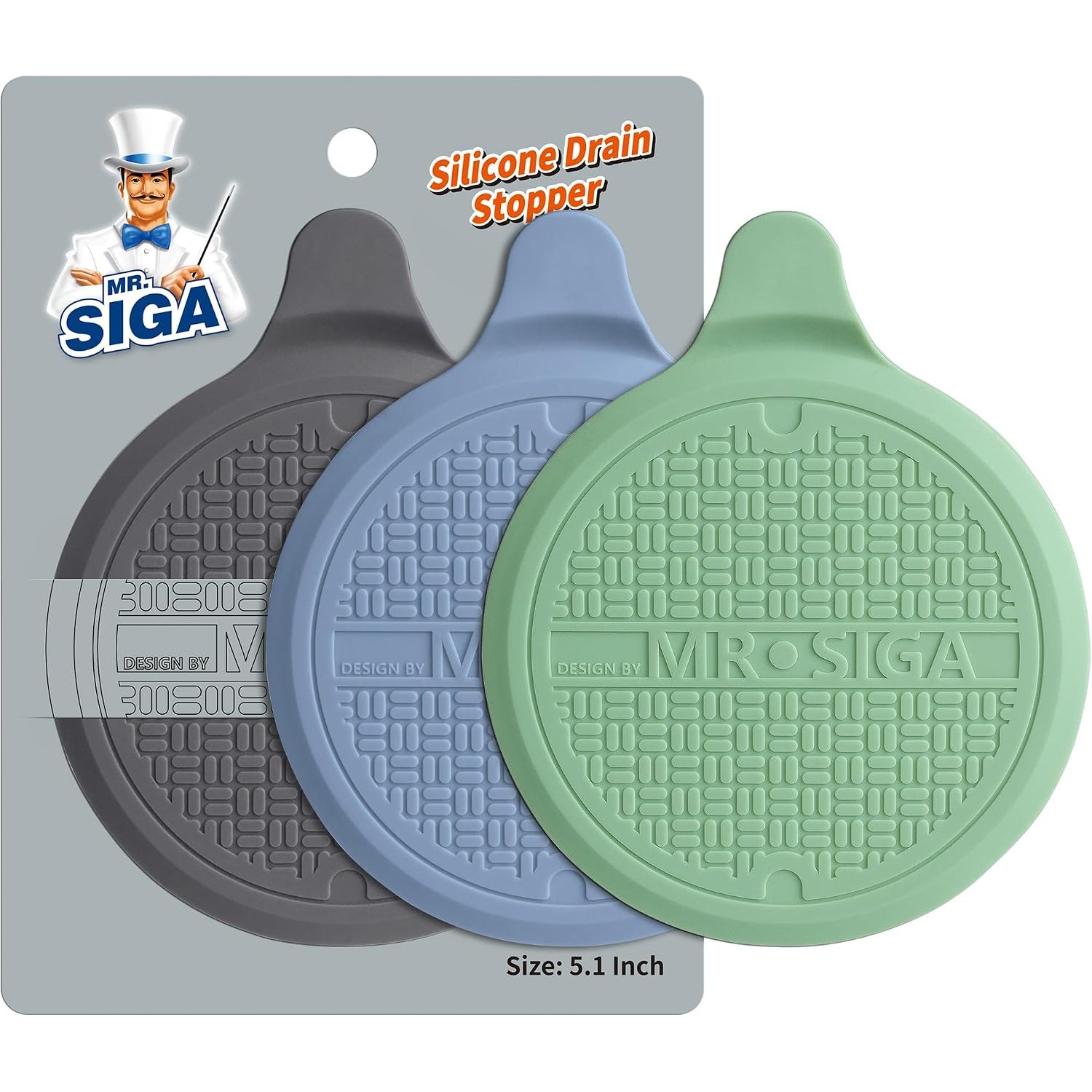
Then there are households with several drains to cover. A bathroom basin, a kitchen sink and a laundry tub often all need something, and they are rarely the same size. A set of three flat plugs handles all of them without three separate shopping trips.
Finally, travellers. A flat silicone plug packs into a toiletries bag and weighs almost nothing. Anyone who has tried to wash socks in a hotel sink with no plug knows why that is worth having.
What to look for when you are choosing
Flexibility matters more than thickness. A thick, stiff disc will bridge across small irregularities instead of settling into them, and water finds those gaps. Soft silicone is what you want.
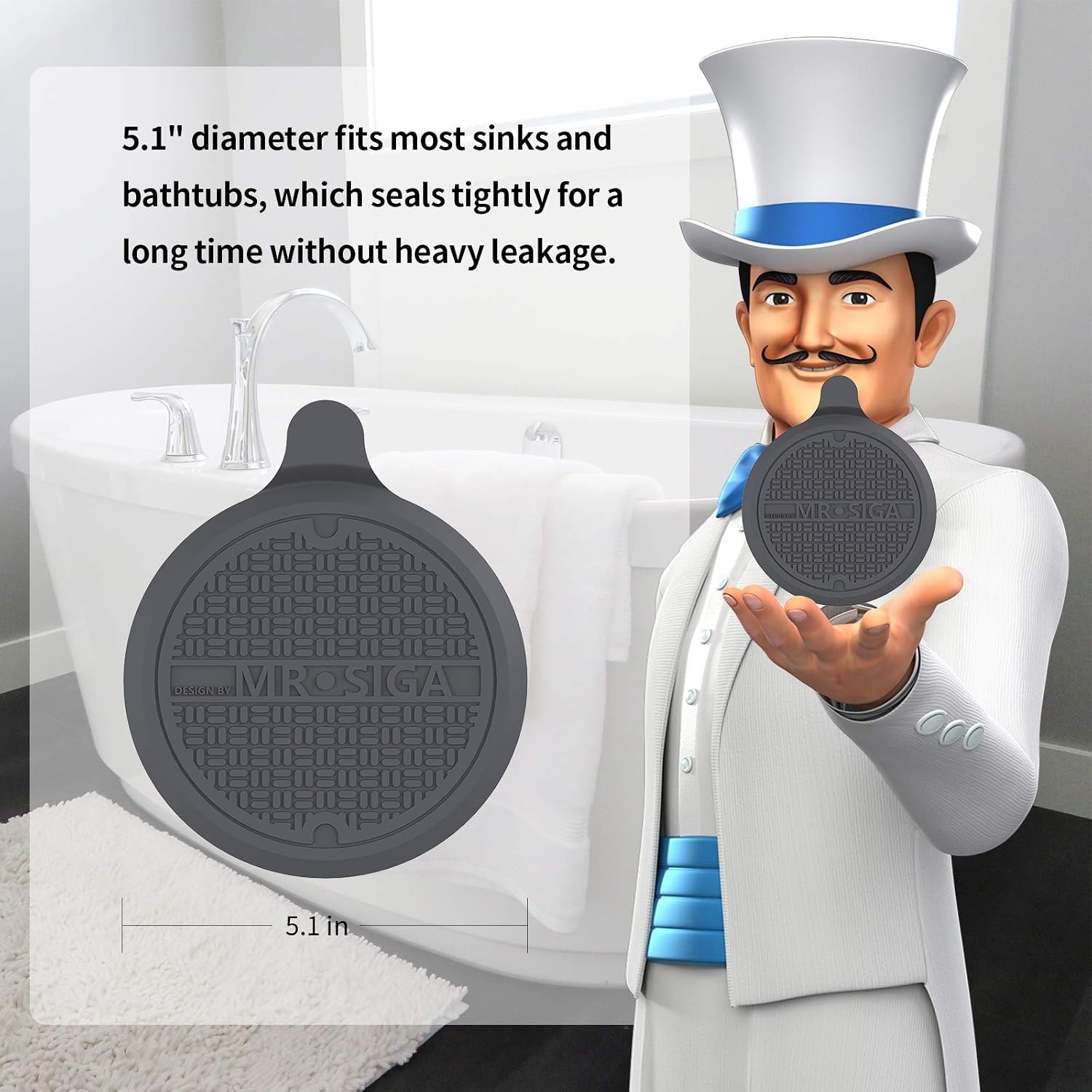
Check your drain surround. The flat area around the drain hole needs to be reasonably smooth and wide enough for the disc to make full contact all the way round. Measure from the edge of the hole outward. If your drain sits in a deep recess or the surround is rough or pitted, a flat stopper will struggle.
Think about the lifting method. A plug with no chain needs some other way to be grabbed. A central suction cup does the job and has the side benefit of storage. A plug with only a smooth top and no handle is fiddly when the water is hot.
Consider colour if you have more than one. It sounds trivial. It is not. Nobody wants the plug that lives in the kitchen drain going into the bath, and having three different colours makes that an easy rule to follow.
Count how many you need. Buying a single plug when you have three drains means repeat orders. A set covers the house in one go and leaves you a spare.
Getting a good seal first time
Most flat plug complaints come down to a dirty surface, not a faulty plug. Before the first use, wipe the drain surround with a cloth and get rid of soap film, grit and hair. Do the same to the underside of the plug.
Lay the disc flat and centred over the hole, then press down on the suction cup with your thumb. You should feel it grip. Run a little water first and watch for a minute before you commit to a full bath. If it holds at low water, it will hold better as the level rises.
If you do see seepage, lift the plug, check for a hair or a speck of grit on the contact ring, clean both surfaces and reseat it. That solves it the vast majority of the time.
Looking after it
The care routine is short. Rinse the plug after use so soap and hair do not dry onto it. Every week or two, wash it in warm water with a mild dish soap, paying attention to the suction cup face where grime quietly builds up and reduces grip. Let it dry fully.
Stay away from bleach, solvents and abrasive scourers. They can dull the surface and, over time, make the silicone less able to form a clean seal. There is no need for anything harsh on silicone anyway, warm soapy water handles it.
For storage, use the suction cup. Press the plug to a tile, the inside of the bath or a cupboard door. It stays put, drips dry and is where you left it next time. Leaving a wet plug in a closed drawer is how you end up with a musty smell and a slimy disc.
A few honest limitations
A flat stopper is not magic. If your drain surround is domed rather than flat, the disc cannot make a full contact ring and it will leak. If you have a pop-up waste with a head that sits proud of the surround even when open, there is nowhere for the plug to lie flat. And if the surround is corroded and pitted, the silicone has too many gaps to bridge.
It also does not change how your overflow behaves. The overflow outlet is separate from the drain, and this plug does not touch it. Keep the usual habit of not leaving a filling bath unattended.
None of these are flaws in the design, they are just the cases where a different style of plug is the right answer.
The short version
A flat silicone bath plug is one of those cheap fixes that quietly removes a daily irritation. It covers the drain instead of fitting into it, which sidesteps the whole sizing headache. The suction cup holds it steady, lifts it out and sticks it to the wall between uses.
Three in a pack means the bath, the basin and the kitchen are all sorted at once, with different colours so they stay in their own rooms. Clean the drain surround, press the plug down, run the water and get on with your day.