
The complete guide
Choosing a Black Square Floor Drain: Sizing, Odour Control and Cleaning
The small part that causes big annoyances
Floor drains live at the bottom of the home maintenance list until one of two things happens. Either water stops going down, or a smell starts coming up. Both are common, both are irritating, and both usually come back to a cheap or worn-out grate sitting over the outlet.
An old floor waste fails in predictable ways. The slots are too narrow, so one shower's worth of hair chokes them. The metal is thin, so it warps when someone stands on it and no longer sits flush. The finish pits and stains, so the corner of the bathroom you look at most looks tired. And if there is no seal of any kind, air from the waste pipe has a clear run into the room whenever the trap below dries out.
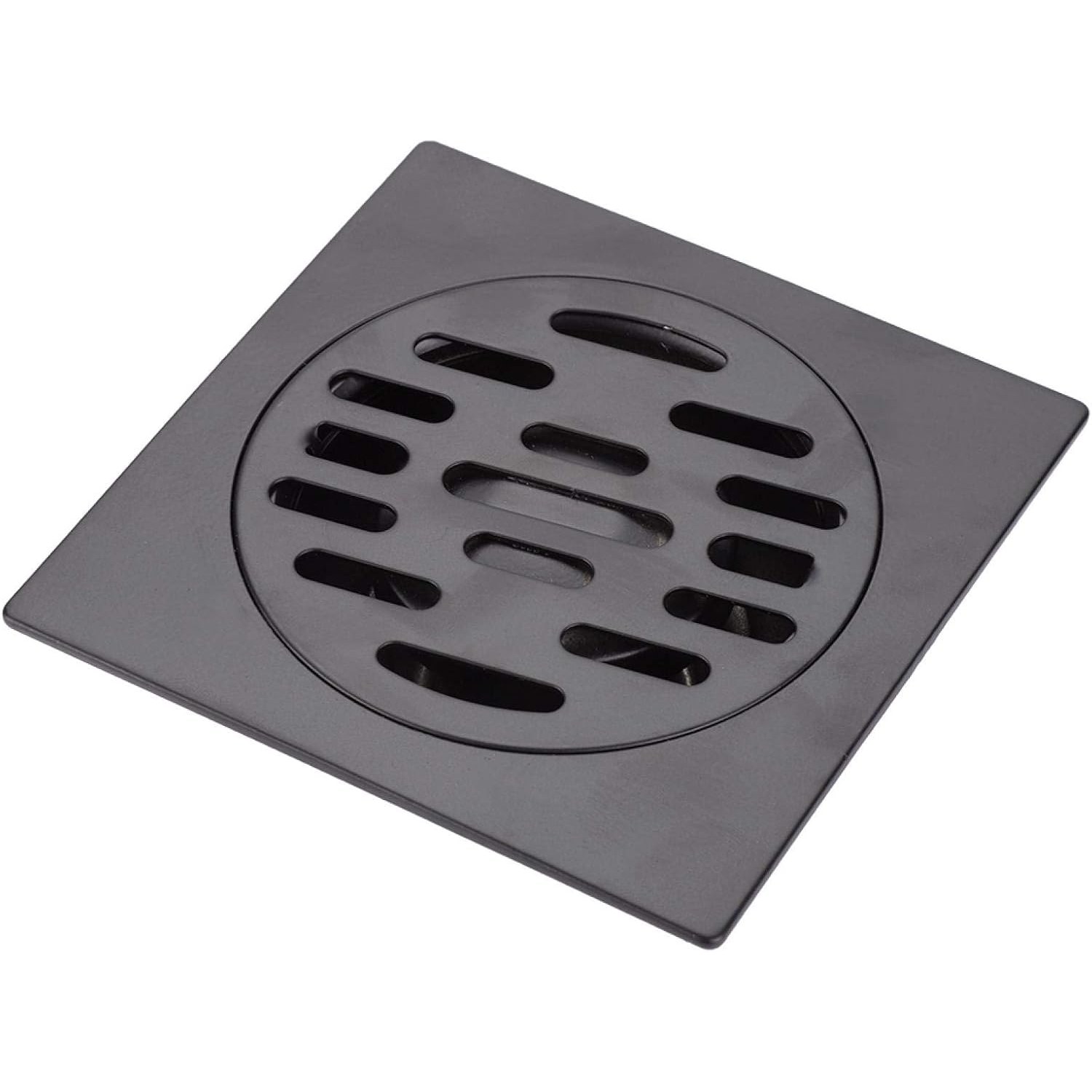
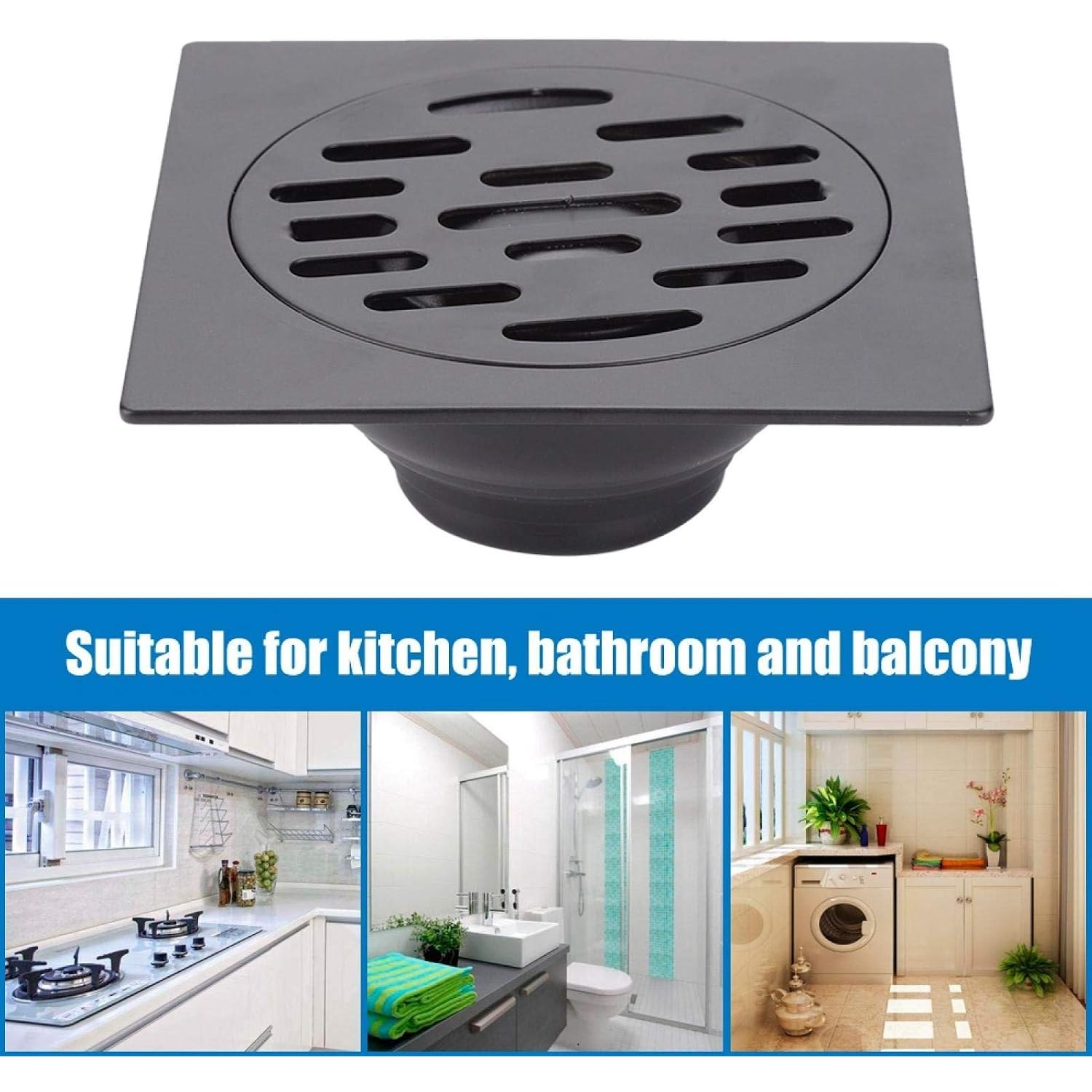
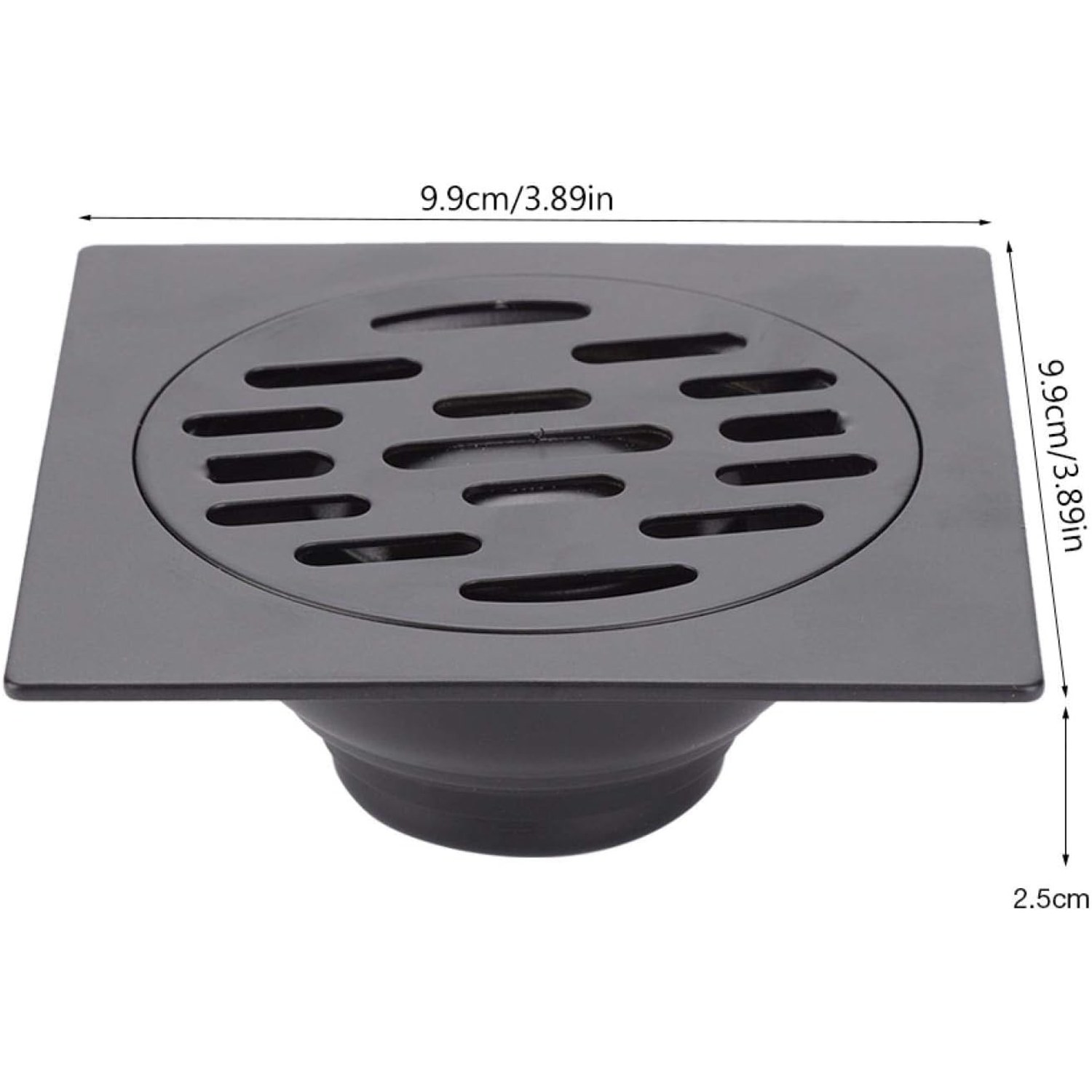
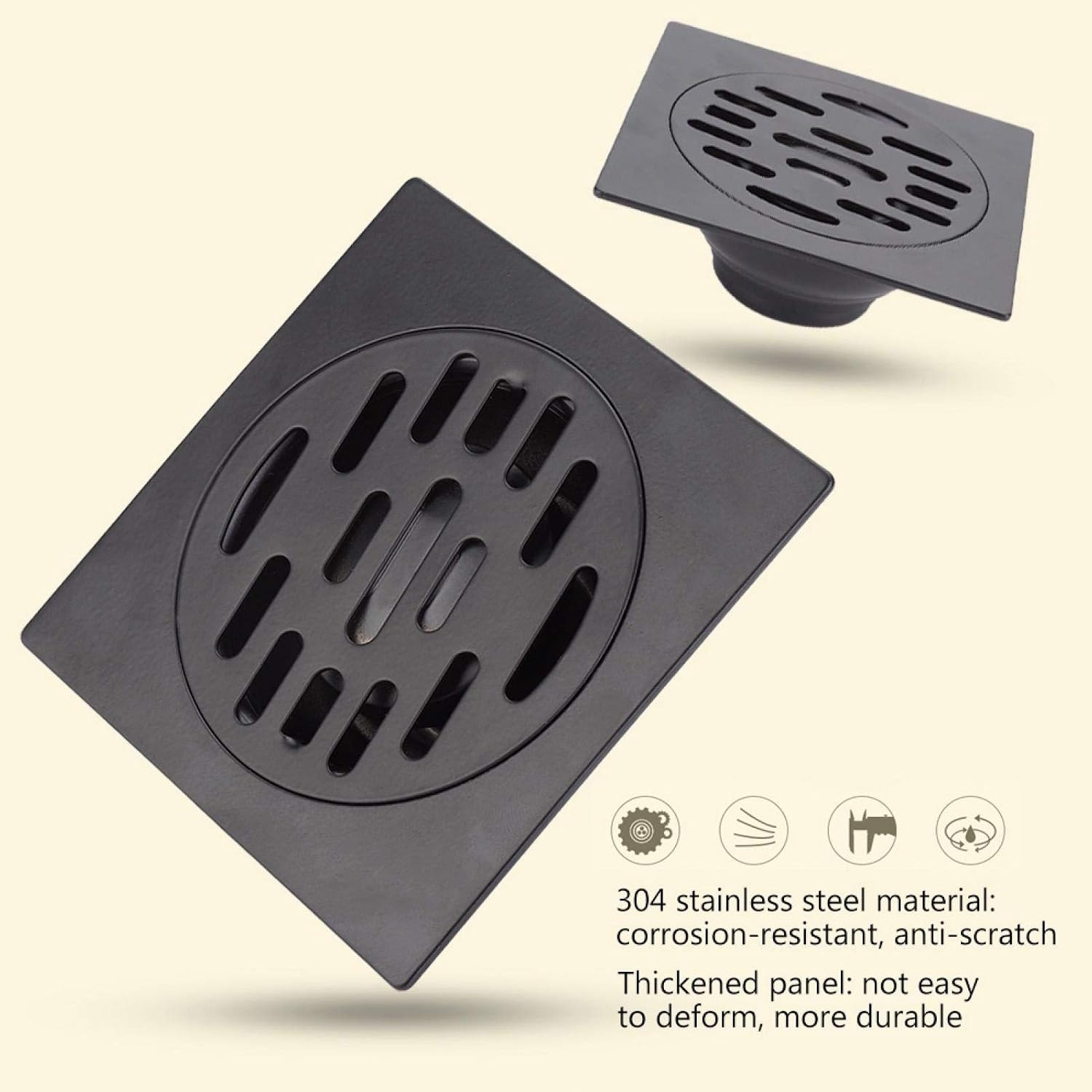
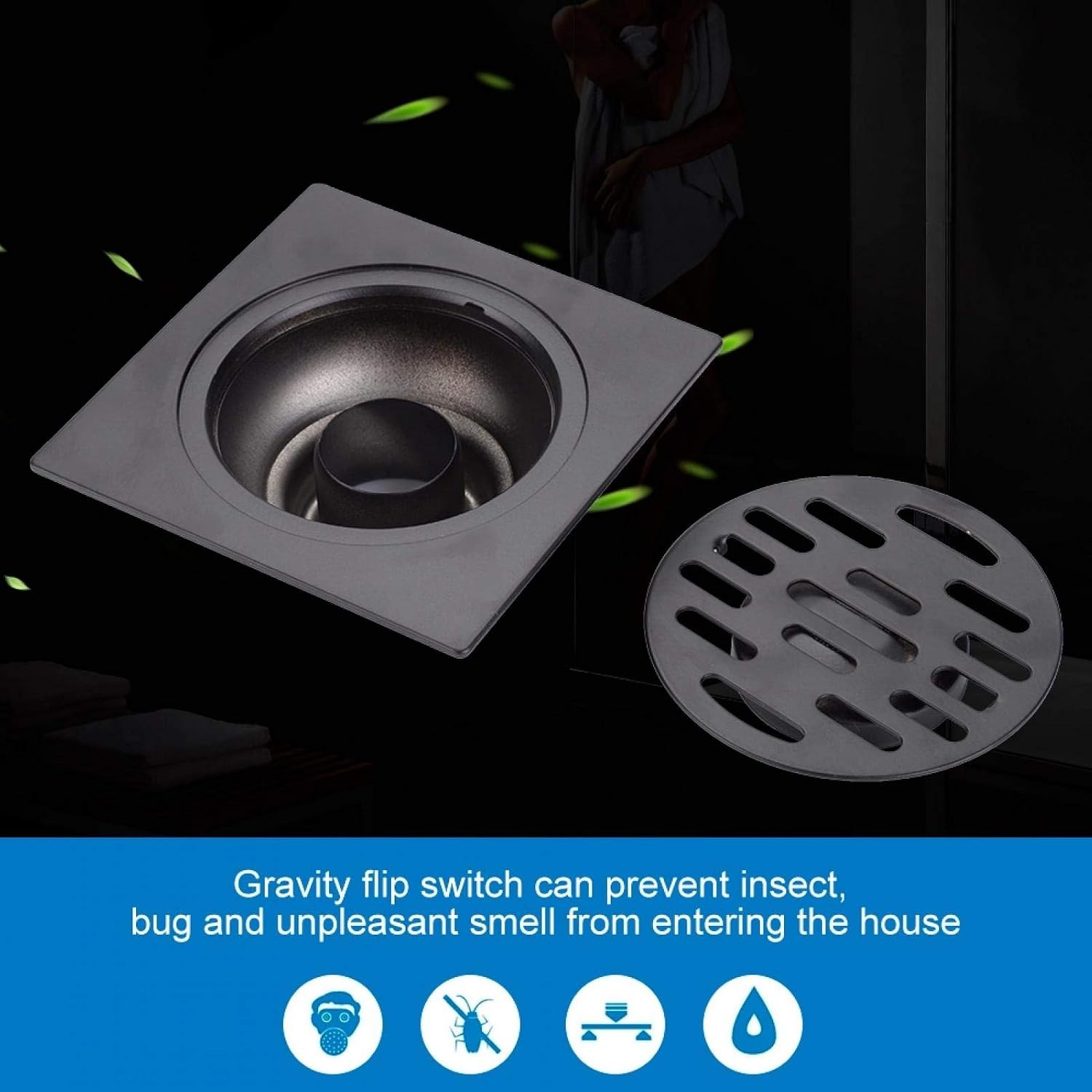
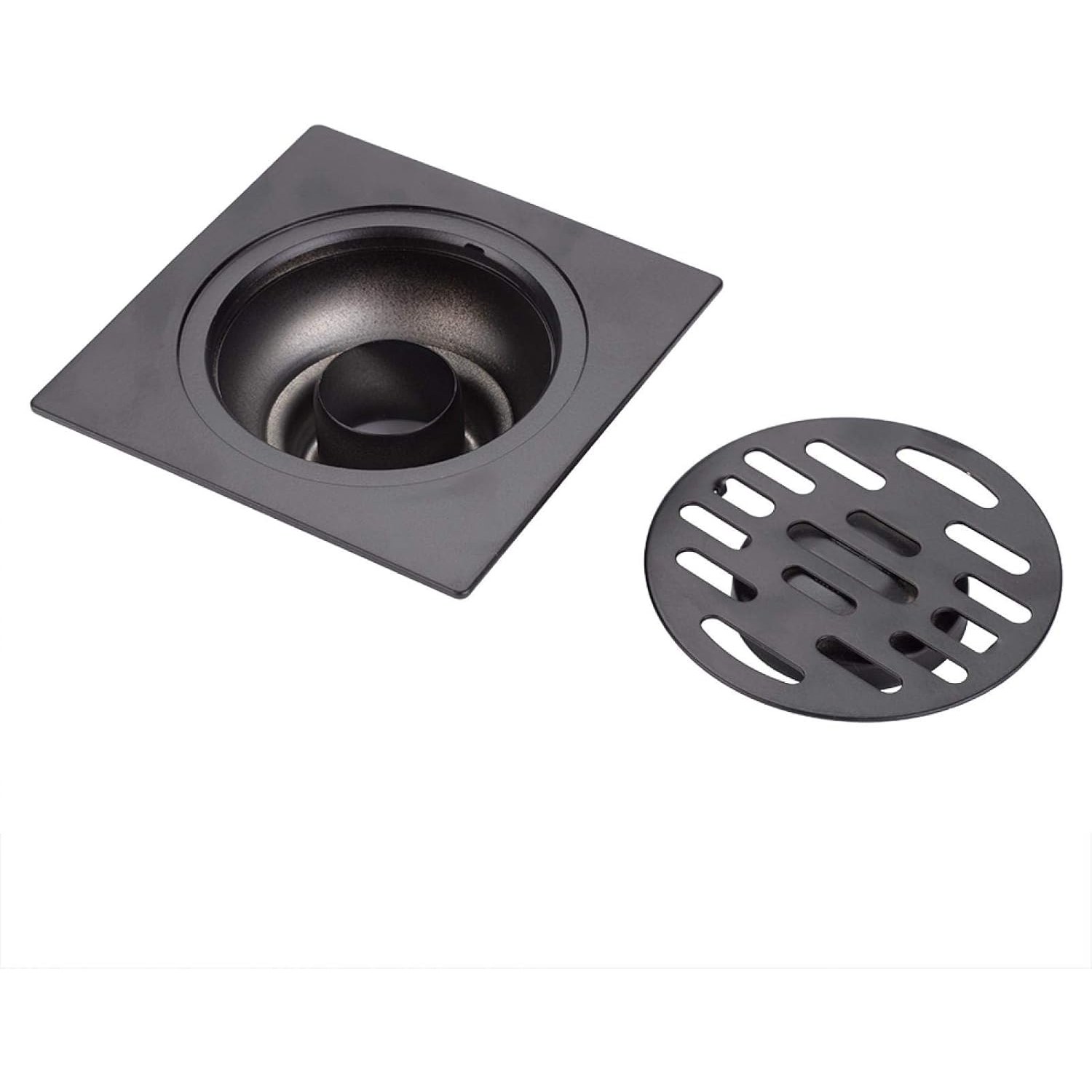
A black square floor drain like this one tackles all of that in a part smaller than your palm. It is stainless steel, 9.9cm across and 2.5cm high, with a painted black face, large drainage openings, a gravity flip seal and a strainer that lifts out for cleaning.
How a gravity seal actually works
The phrase sounds technical and the mechanism is not. Inside the drain body there is a hinged flap. It rests closed, held by nothing more than its own weight. When water enters, the weight of that water tips the flap open and it drains through. When the flow stops, the flap falls back shut.
That matters because the water trap in your plumbing, the U-bend holding a plug of water that blocks sewer gas, only works while there is water in it. In a guest bathroom or a laundry that goes a week between uses, that water evaporates. Then the smell has a straight path. A gravity seal gives you a second barrier that does not depend on evaporation at all.
There is no battery, no spring and no magnet to weaken. Mechanically it is about as simple as a seal gets, which is exactly why it keeps working. Rinse it when you clean the strainer and it stays free to swing.
Why hole size matters more than people expect
Flow rate in a floor waste is governed by the total open area, not by how clever the pattern looks. Designer grates with hairline slots look sharp in a showroom and block within a month of real use. This drain goes the other way with larger openings, which does two useful things.
First, water clears faster. A shower base that empties while you are still in it is a different experience from one that fills around your ankles. Second, the floor dries sooner between uses, and a dry tile floor is a less slippery tile floor with less chance of mould in the grout lines.
The trade-off with bigger openings is that more debris gets through, which is where the double layer design earns its place. An inner strainer catches the hair and lint before it reaches the pipe, so the debris stays somewhere you can reach it rather than somewhere a plumber has to.
Measuring before you buy
This is the step most people skip and most regret. The listed width is 9.9cm, which suits a square opening right around 100mm. Do not assume yours matches.
Lift out your existing grate. Measure the opening across the top at two points, side to side and front to back, because tiled openings are rarely perfectly square. Then measure the depth from tile surface down to the lip the old grate sat on. The drain is 2.5cm high, so it needs that much clearance to sit flush.
Check the shape too. A square drain will not fill a round opening, no matter how close the diameter is. If your waste is round, you need a round grate or an adaptor, and an adaptor is a job worth handing to a plumber.
If the numbers are close but not identical, send them to us before ordering. It takes a minute and saves a return.
Where it suits, and where it does not
In a shower or bathroom floor, this is a natural fit. Hair is the main enemy there, and a lift-out strainer handles hair better than any chemical ever will.
In a laundry, it works well on a washing machine outlet. Machines dump a lot of water in a short burst, so the larger openings keep up with the discharge. Lint accumulates faster than hair does, so expect to clean the strainer more often, perhaps weekly in a busy household.
In an outdoor area, think twice. It is described for bathroom and washing machine use, not exterior installation. Outdoor drains cop UV, grit, leaves and in some climates frost, and a painted finish does not love any of that. If you need the best outdoor floor drain, buy something made for the job.
In a commercial kitchen or a garage with heavy vehicle traffic, this is also the wrong tool. Those settings need rated, heavy-duty grates.
Fitting it
For a straight swap, where the new drain drops into an opening the old one already fitted, this is a short DIY job. Remove the old grate, clear any debris or old silicone from the lip, check the new drain sits flush and does not rock, and you are done.
Note that the package is listed as the drain only. Fixings, sealant and adaptors are not included. If your installation needs a bead of silicone around the lip or a screw fixing, have those ready before you start.
Call a plumber if the opening needs resizing, if the waterproof membrane around the waste is disturbed, or if you find the trap below is cracked or badly blocked. Water that escapes under a tiled floor does expensive damage quietly, over months, before anyone notices.
Keeping it working
Cleaning a floor waste is a two-minute job that people turn into a two-hundred-dollar job by ignoring it.
Every week or two, lift out the inner strainer. Tip the hair and lint straight into the bin rather than washing it down the sink, since it just moves the clog somewhere else. Rinse the insert under the tap, check the gravity flap swings freely, and put it back.
For the visible face, warm water with a little dish soap and a soft cloth is all it needs. Dry it afterwards so you do not get water marks on the black finish. Keep bleach, oven cleaner, strong acid cleaners and scouring pads well away, since painted finishes do not survive them.
If drainage slows despite a clean strainer, the blockage is further down. Clear it mechanically with a drain snake rather than pouring caustic product into the pipe, which can sit against the drain seal and the pipework.
The short version
This is a plain, practical part that does three jobs well. It moves water fast, it closes itself against drain odours, and it comes apart for cleaning without tools. Stainless steel body, painted black face, 9.9cm wide, 2.5cm high, 260 grams.
Measure your opening first. Match the shape, the width and the depth. If those line up, this is a straightforward upgrade for a shower floor, a bathroom or a laundry outlet, and it will quietly stop two of the most common household irritations before they start.