

Drains Company
Company
Shop By Category
T&Cs
Shop Online
  • Size, material and fit listed
  • Free tracked NZ-wide delivery over $175
  • 14-day returns

Hand Drain Auger 25 Foot | Drum drain snake | manual pipe auger

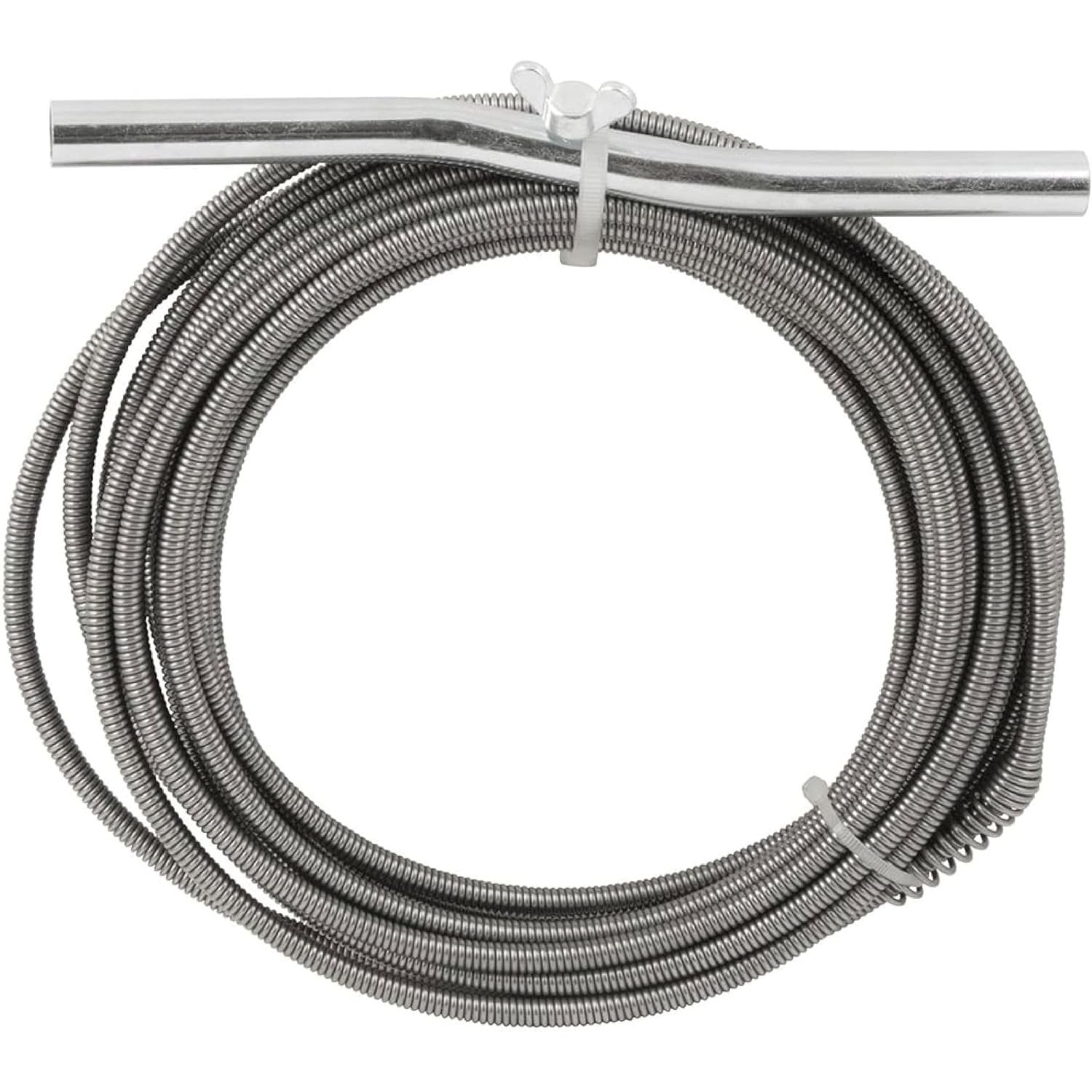
25 Foot Hand Drain Auger with Galvanized Crank Handle

$87.99 $105.99 Save $18
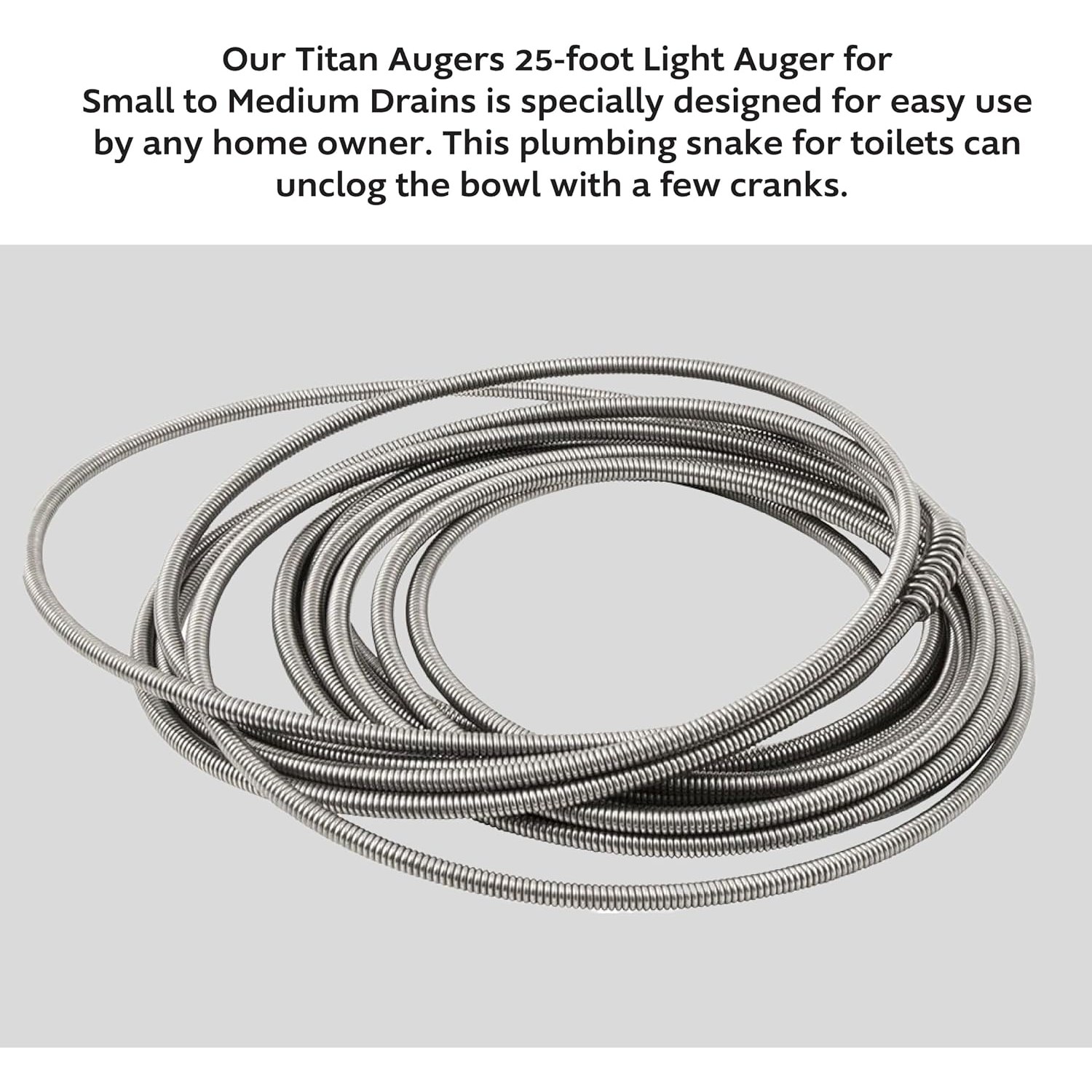
  • 25 Foot Cable
  • Spring Steel Wire
  • Torque-Twist Crank
  • No Power Needed

Price: $87.99 $105.99

  • Free tracked NZ-wide delivery on orders $175+, otherwise a flat $20
  • Pay by card or PayPal, handled by the payment provider
  • 14 days to change your mind, plus your statutory rights
Product specifications
BrandPLUMB CRAFT
Model Number7710025
ManufacturerHomewerks
Cable Length25 feet
Cutting Diameter0.25 inches (1/4 inch)
Minimum Bore Diameter2 inches
Material TypeAlloy Steel
Finish TypeTitanium
Shank TypeStraight
Point StyleTaper Point
Tool Flute TypeSpiral
Number Of Flutes2
Cutting Angle90 degrees
Surface RecommendationMetal
Included ComponentsDrain Augers 25 Foot
Number Of Pieces1
Unit Count1 count
Number Of Packs1
Item Weight907 grams
Item Dimensions18.5 x 19.8 x 3.6 cm
Country Of OriginChina
UPC28905710251
GTIN28905710251
Weight907 g
Shipping & returns

Tracked delivery anywhere in New Zealand. It is free on orders of $175 or more, and a flat $20 below that.

If it is not right for you, send it back within 14 days of delivery in resaleable condition and we refund the price you paid, including standard delivery. That is a voluntary policy we offer on top of your legal rights. You cover the cost of returning it unless the item is faulty.

If it arrives faulty, damaged or not as described, we put it right at no cost to you under the Consumer Guarantees Act 1993 and the Fair Trading Act 1986, return postage included.

Shipping details · Refunds and returns

25 Foot CableLong enough to pass traps and reach clogs well down the branch line.
Spring Steel WireHigh carbon spring steel bends through tight elbows without kinking.
Torque-Twist CrankGalvanized handle with a vinyl grip for steady turning and less slip.
No Power NeededHand cranked, so there is no motor, cord or battery to worry about.

Clear a blocked sink, bath or toilet yourself with a hand drain auger 25 foot cable that reaches the clog a plunger cannot.

A 1/4 inch high carbon spring steel cable, a galvanized torque-twist crank and a vinyl grip handle give you flexible reach through tight bends in household pipes from 2 inches bore and up.

A 25 foot hand drain auger with a 1/4 inch cable that reaches blockages a plunger simply cannot shift.

The cable is high carbon spring steel, chosen because it flexes through tight bends and springs back rather than taking a permanent kink.

A galvanized torque-twist crank handle with a vinyl grip lets you push and turn at the same time, which is how the head bites into a clog.

Suited to small and medium household drains with a minimum bore of 2 inches, including sinks, basins, baths, showers and toilet traps.

Light at 907 grams and entirely manual, so there is nothing to charge, plug in or maintain beyond a rinse and a wipe.

25 Foot Hand Drain Auger with Galvanized Crank Handle

Most household blockages are not dramatic. Hair and soap scum build up in a bath waste over months, grease cools and sets in a kitchen branch line, or something small gets lodged just past a toilet trap. A plunger works on some of these because it moves water back and forth, but it cannot reach past the first bend. A hand drain auger goes to the blockage physically, which is why it succeeds where chemicals and plungers run out of road.

25 Foot Hand Drain Auger with Galvanized Crank Handle

This one carries 25 feet of 1/4 inch high carbon spring steel cable in a compact drum. You feed the cable in by hand, crank the galvanized torque-twist handle, and the spiral head works its way through traps and elbows until it meets the obstruction. From there you keep turning. The head either breaks the clog apart so water carries it away, or it hooks into the material so you can draw it back out with the cable.

25 Foot Hand Drain Auger with Galvanized Crank Handle

Spring steel is the part that matters most. A stiff rod will not follow the geometry of a P-trap, and cheap wire takes a permanent bend the first time it meets resistance. High carbon spring wire flexes around a tight corner and then returns to shape, so the auger keeps feeding smoothly on the second, tenth and fiftieth job rather than fighting you after the first.

25 Foot Hand Drain Auger with Galvanized Crank Handle

The handle is built for the awkward part of the job, where you have to push forward and rotate at the same time in a cramped space under a sink. The torque-twist design transfers your turning force down the cable instead of letting the drum spin uselessly, and the vinyl grip gives you something to hold onto when your hands are wet. At 907 grams the whole tool is light enough to work one-handed with the other hand feeding cable.

25 Foot Hand Drain Auger with Galvanized Crank Handle

It is a light duty auger, and that is the honest description. It is intended for small and medium household drains with a bore of 2 inches or more. Sinks, basins, showers, baths and toilet traps all sit comfortably in that range. Main sewer lines, heavy root intrusion and large diameter commercial drains need a bigger machine, and nothing about a 1/4 inch cable will change that.

Not sure yet? That is fine.

A drain part has to fit the drain you have, and you cannot always judge that from a photograph. If it is not right for you, send it back within 14 days of delivery in resaleable condition and we refund the price you paid, including standard delivery. That is a voluntary policy we offer on top of your legal rights.

If it turns up faulty, damaged or not as described, that is on us. The Consumer Guarantees Act 1993 and the Fair Trading Act 1986 cover you, and we pay the return postage. Read the full detail on our refunds and returns page, or ask us anything before you order.

Frequently Asked Questions

What exactly is a hand drain auger?

It is a flexible steel cable coiled inside a small drum, with a crank handle on the side. You feed the cable into a drain and turn the handle so the head works through the pipe toward the blockage. It is the manual version of the motorised drain machines plumbers use on bigger jobs.

How long is the cable on this model?

The cable is 25 feet long, which is roughly 7.6 metres. That is plenty to clear a basin trap, a bath waste or a toilet trap, and it will usually reach well into the branch line beyond. It is one of the more common lengths for a household tool.

What diameter is the cable?

The cutting diameter is 0.25 inches, so a 1/4 inch cable. That size is the standard choice for small and medium household drains because it is thin enough to pass through traps and strainer bars while still being stiff enough to push a clog. Thicker cables are for larger pipes.

What pipe sizes can it be used in?

The specification gives a minimum bore diameter of 2 inches. That covers typical bath, shower and basin wastes, kitchen branch lines and toilet traps in most homes. It is not designed for a main sewer line.

What is the cable made from?

The material type is listed as alloy steel, described by the manufacturer as high grade high carbon spring steel wire, with a titanium finish. Spring steel is used because it bends through tight elbows and then returns to shape instead of holding a kink. That is what keeps the best hand drain auger feeding smoothly over years of use.

Is this a motorised tool?

No. It is entirely hand cranked, with no motor, cord or battery. That means nothing to charge, nothing to break electrically, and no risk of overdriving the cable in a fragile old pipe.

Will it work on a blocked toilet?

Yes, a toilet trap is within its range and a 25 foot cable gives you more than enough reach. Feed the cable gently into the bowl outlet rather than forcing it, and turn the crank steadily. Go slowly at the porcelain to avoid scuffing the glaze.

Will it clear a kitchen sink full of grease?

It usually will, provided the grease has not set rock hard along a long run. The spiral head breaks the plug open so hot water can flush the rest away. Running very hot water down the line afterwards helps clear what the cable loosened.

Can I use it on a shower drain?

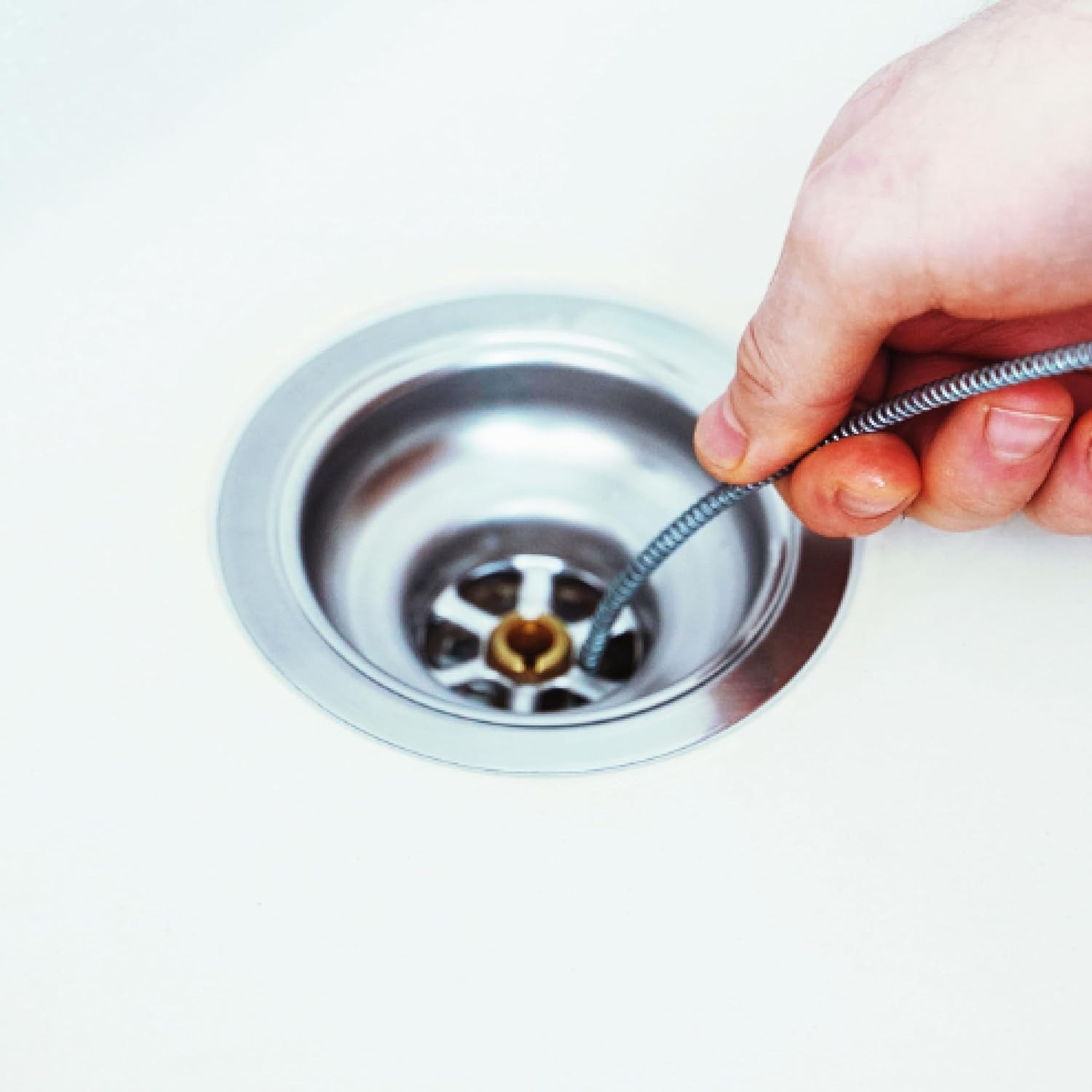
Yes. Shower and bath wastes are mostly hair and soap, which is exactly what a cable hooks well. Pull the cable back slowly once it has bitten, because the hair tends to come out as a single mass. Many people rate this as the best shower drain unblocker tool for the money simply because it retrieves the clog rather than pushing it along.

Do I need to remove the trap first?

Often not. You can usually feed the cable in through the plughole or the overflow. If the blockage is clearly in the trap itself, removing and cleaning the trap by hand is faster than snaking it.

How do I know when I have reached the clog?

The cable will stop feeding easily and you will feel firm resistance. Turning the handle at that point lets the head bite in. If the resistance is a bend rather than a blockage, a gentle push with continued turning will usually get you around it.

Should I push hard if it will not go through?

No. Hard forcing is how cables kink and how old pipes get damaged. Back off a little, turn the crank to reposition the head, and feed again. Patience does more than brute force with any manual pipe auger.

Can I use it in plastic PVC pipes?

Yes, and it is generally safer in plastic than a powered machine because you control the speed and force by hand. Keep the turning steady rather than aggressive. The surface recommendation in the specs is listed as metal, but careful hand use in PVC is normal practice.

Is it safe to use after I have poured drain chemicals down?

It is better to avoid it. Caustic drain cleaner sitting in the pipe can splash back when the cable moves water around, and that is a burn risk. If chemicals have been used, flush the line thoroughly with water first and wear eye protection and gloves.

How heavy is it?

The unit weighs 907 grams. That is light enough to hold in one hand while the other feeds cable, which matters when you are crouched inside a vanity cupboard. The drum measures 18.5 x 19.8 x 3.6 cm.

Does it come assembled?

Yes, it ships as a single ready to use piece with the cable already wound into the drum and the crank handle fitted. There is nothing to put together before the first job.

What is the torque-twist handle for?

It transfers your turning force down the cable rather than letting the drum spin without doing any work. That extra thrusting action is what pushes the head past strainer cross bars and through tighter resistance. The vinyl grip keeps your hand from slipping when things get wet.

How do I clean it after use?

Rinse the cable with clean water as you wind it back in, then wipe it dry with a rag. Drain waste left on steel will corrode it over time. A light wipe of oil along the cable afterwards keeps it flexible and protected.

Where should I store it?

Somewhere dry and indoors, hanging on a hook or flat on a shelf. A damp garage floor or a wet laundry tub cupboard will shorten the life of any steel cable. Keeping it dry is most of the maintenance this tool needs.

Can the cable rust?

The wire is described as rust resistant high grade spring steel with a titanium finish, which helps, but no steel cable is immune if it is stored soaking wet for months. Drying it after each use is the single thing that most affects how long it lasts.

Is this suitable for someone with no plumbing experience?

Yes. It is a simple mechanical tool and the technique is feed, turn, feel, repeat. Most first time users clear a basic sink or bath blockage on the first attempt. There is no electrical or pressurised component to get wrong.

How does it compare to a plunger?

A plunger moves water pressure back and forth and only affects the first section of pipe. An auger physically travels to the blockage and breaks it apart or pulls it out. Try the plunger first because it is quicker, then reach for the auger when it fails.

Is it better than liquid drain cleaner?

For most hair and grease clogs, yes, because it removes the material rather than partially dissolving it. Chemicals also sit in the pipe and can damage older seals and pipework. Many people buy the best drain cleaning tool they can precisely to stop relying on chemicals.

Will it handle tree roots?

No. Root intrusion in an underground sewer line needs a heavy cable and usually a powered machine with a cutting head. A 1/4 inch hand cable is for light duty household work above that level.

Can I use it on an outdoor drain or gully?

You can if the bore is at least 2 inches and the blockage is within 25 feet, but outdoor drains are often wider and carry grit and leaves that suit drain rods better. It is designed primarily for interior household pipework.

How often will I need it?

Most households use one a few times a year at most, often on the same problem drain. Because it is cheap to own and takes almost no storage space, people tend to keep it on hand rather than calling a plumber for every slow sink.

Does it come with instructions?

The manufacturer supplies basic usage guidance with the tool. The method is simple enough that most people work it out quickly, but reading the sheet before the first use is worth two minutes of your time.

How is it delivered?

It ships in protective packaging to the address you give at checkout. Delivery times vary by country and region, and you will get tracking once the order leaves the warehouse. Check the delivery page for your storefront for current estimates.

Would it make a sensible gift?

It is a practical one, particularly for a first home buyer, a renter setting up a basic tool kit, or someone who keeps complaining about a slow drain. It is not glamorous, but it tends to get used. Pair it with a pair of gloves and a bucket and it becomes a proper little kit.

What if it is not right for my drain?

If the tool does not suit your pipework or arrives faulty, contact us and we will sort out a return or replacement under our standard returns policy. Tell us the pipe size and the problem you were trying to solve and we can advise whether a different cable size would have been the better fit. Unused items in original condition are the simplest to return.

How to Choose and Use a Hand Drain Auger

6 min read Drains Company

The slow drain nobody deals with until it stops

Almost every house has one. The bath that takes ten minutes to empty. The kitchen sink that gurgles. The basin where the water level creeps up while you brush your teeth. Most people live with it for months, pour something caustic down it twice, watch it improve for a week, and then live with it again.

The reason chemicals keep failing is that they do not remove anything. They soften part of the blockage, the water finds a channel through it, and the rest stays stuck to the pipe wall waiting to catch the next lot of hair. The blockage never actually leaves.

A hand drain auger takes a different approach. It sends a flexible steel cable down the pipe until it physically touches the clog, then spins a spiral head into it. Either the clog breaks up and washes away, or it wraps around the head and you pull it back out. Either way the pipe is genuinely clear rather than temporarily passable.

How a drum auger actually works

The design has not changed much in decades because it does not need to. Twenty five feet of spring steel cable sits coiled inside a small drum. A set screw clamps the cable so it turns with the drum rather than slipping. The crank handle on the side is what you turn.

You loosen the set screw, pull out a foot or two of cable, feed it into the drain, tighten the screw and crank. When that section has gone in, you loosen, pull out more cable, tighten and crank again. It sounds fiddly written down. In practice you get a rhythm within a couple of minutes.

The important mechanical detail is that you need to push and turn at the same time. Turning alone makes the head spin in place. Pushing alone makes the cable buckle. The two together are what drives the head forward through a bend and into the obstruction. The galvanized torque-twist handle on this model is shaped to make that combination easier, and the vinyl grip stops your hand sliding when everything is wet, which it will be.

Why spring steel matters more than you think

Cable quality is the single thing that separates a tool you keep for fifteen years from one you throw out after two jobs.

The problem is bends. A domestic waste line is full of them. There is the P-trap right under the plughole, then usually a 90 degree elbow where the branch meets the stack, and often another bend or two depending on how the house was built. A stiff cable will not follow that path. A soft, low grade wire follows it once and then holds the shape permanently, so the next time you use it the auger fights the pipe instead of sliding through.

High carbon spring steel does neither. It flexes to whatever angle the pipe demands and then returns to straight when the load comes off. That is why this cable is specified as high grade high carbon spring wire with a titanium finish, and why the listed flute type is spiral with a taper point. The taper means the head enters narrow openings and strainer bars without snagging, and the spiral is what grabs hair and pulls it back.

Who this size suits

The honest answer is most homeowners and almost no tradespeople working on mains.

A 1/4 inch cable with a 2 inch minimum bore is the sweet spot for interior household drains. Basins, baths, showers, kitchen sinks, laundry tubs and toilet traps all sit inside that range. Twenty five feet of reach gets you past every trap in those systems and usually well into the branch line beyond, which is where the stubborn stuff accumulates.

What it is not for is main sewer lines, root intrusion, or 4 inch underground pipe. Those need a thicker cable and generally a powered drum machine with interchangeable cutting heads. Trying to clear a root ball with a light duty hand auger wastes your afternoon and risks leaving a kinked cable stuck in a pipe, which is a much more expensive problem than the one you started with.

If you are a renter or a first home buyer building a basic tool kit, this is the right class of tool. If you manage several properties and get called about blocked drains monthly, you will eventually want a bigger machine alongside it, but you will still use the little one for sinks.

Getting the best result on the first try

Start with the plunger. It takes thirty seconds and it genuinely works on a decent share of blockages, particularly in toilets. Only reach for the auger when the plunger has clearly lost.

Put a bucket and some old towels under the work area before you start. There will be water, and it will not be clean water. Gloves are sensible and eye protection is sensible if there is any chance chemicals have been used in that drain recently.

Feed the cable in gently. When you hit resistance, pause and work out what it is. Resistance that gives slightly when you turn the handle is usually a bend, and steady turning with light forward pressure walks the head around it. Resistance that is solid and does not move is the clog. That is when you crank harder and hold steady forward pressure.

Once the head bites, do not rip the cable straight out. Draw it back slowly. Hair clogs in particular come out as one long mass and they will fall off if you yank. Have the bucket ready.

Then run hot water down the line for a couple of minutes. That flushes the loosened material away and tells you whether the drain is genuinely clear or just better than it was.

Looking after it

This part takes two minutes and doubles the life of the tool.

Rinse the cable with clean water while you wind it back into the drum. Wipe it dry with a rag as it goes in. Waste water left sitting on steel is what causes rust, and rust is what makes a cable stiff and brittle. If you want to go further, wipe a light film of machine oil along the cable, which keeps it supple and adds a corrosion barrier.

Store it indoors and dry. A hook on a garage wall is ideal. Leaving it on a damp concrete floor or in the cupboard under the sink is the worst thing you can do to it.

Check the set screw occasionally. It takes a lot of torque in use and can work loose. Tighten it before it strips.

The short version

A 25 foot hand drain auger is the tool that sits between a plunger and a plumber. It costs less than a single callout, stores in the space of a dinner plate, and clears the kind of blockage that chemicals only pretend to fix.

The specification here is straightforward. A 1/4 inch high carbon spring steel cable, 25 feet long, titanium finish, spiral flute with a taper point, rated for pipes from 2 inches bore. A galvanized torque-twist crank with a vinyl grip. The whole thing weighs 907 grams.

If your problem is a slow bath, a gurgling sink or a toilet that will not clear, this is the right class of tool. If your problem is a blocked sewer line under the garden, it is not, and no amount of cranking will change that. Match the tool to the pipe and the job is usually over in fifteen minutes.

Browse the shop

Not sure if this is the right size?

Tell us the drain you are trying to clear and the pipe diameter and we will point you to the right cable.

Ask us a question

Page summary

The PLUMB CRAFT 7710025 is a 25 foot hand drain auger, also called a drum drain snake or manual pipe auger, manufactured by Homewerks and made in China. The cable is 1/4 inch (0.25 inch cutting diameter) alloy steel described as high carbon spring steel wire, with a titanium finish, spiral flute, taper point and 90 degree cutting angle. It is rated for a minimum bore diameter of 2 inches and is intended for small and medium household drains such as sinks, baths, showers and toilets. A galvanized torque-twist crank handle with a vinyl grip drives the cable. The unit weighs 907 grams and measures 18.5 x 19.8 x 3.6 cm. Colour and warranty are not specified by the maker. UPC 028905710251.