




The complete guide
How To Choose A Bath Overflow Drain Cover (And Get A Deeper Soak)
The problem with your bathtub
Run a bath, settle in, and most people find the same thing. The water comes up to somewhere around the waist, the shoulders are out in the air, and within ten minutes the whole thing has gone lukewarm. It is not your imagination and it is not a cheap tub. It is the little oval or round opening set into the wall of the bath, a few inches below the rim.
That opening is the overflow. It is plumbed into the drain and it exists so that a forgotten tap does not end up flooding the bathroom. Useful, obviously. But it also caps your bath depth at whatever height the builder set it, and in a lot of modern tubs that height is low. You are paying to heat water that quietly pours away as soon as it reaches the hole.
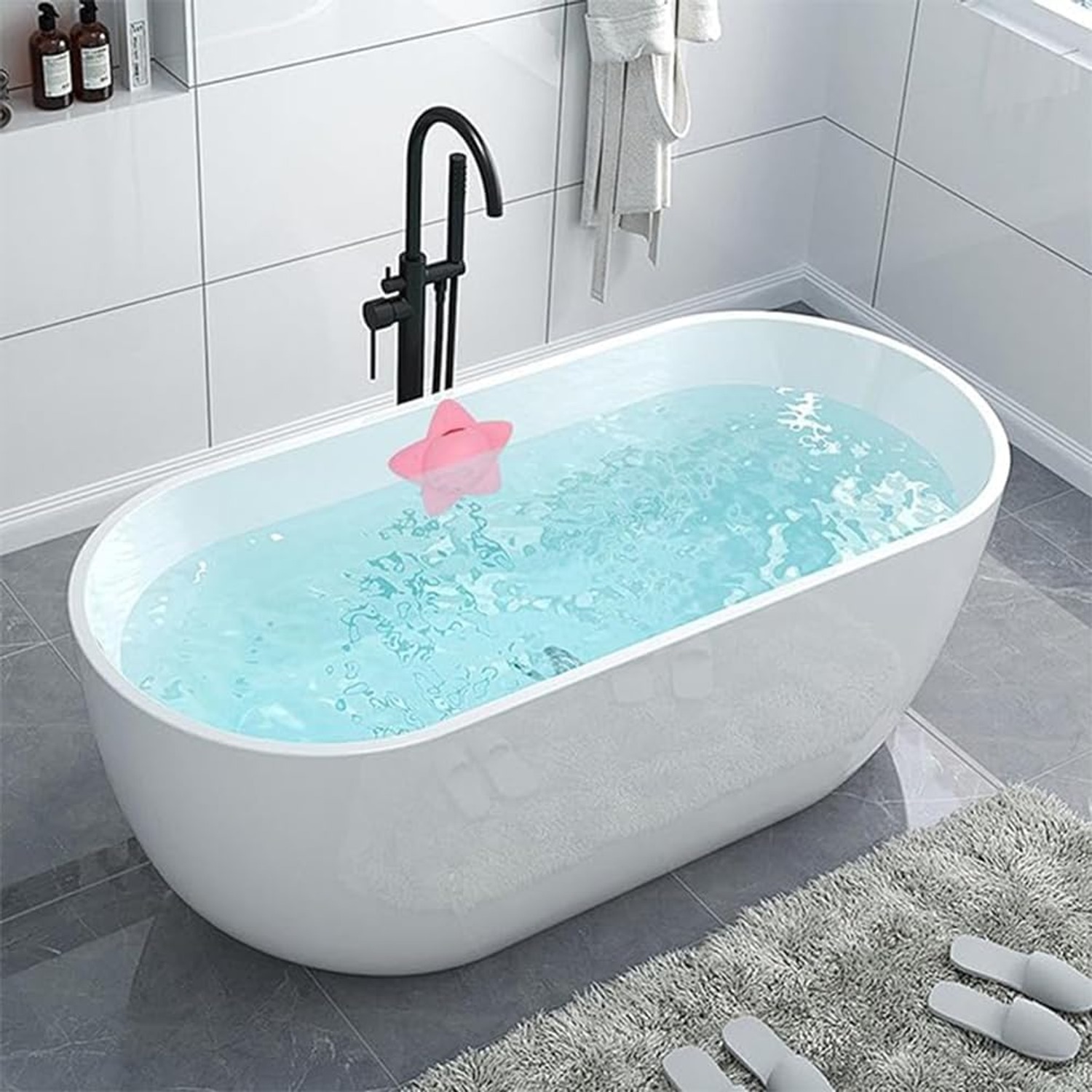
A bath overflow drain cover fixes the problem from the outside. It sits over the opening, seals it, and lets the water keep climbing. Nothing is removed and nothing is changed under the floor.
How it works
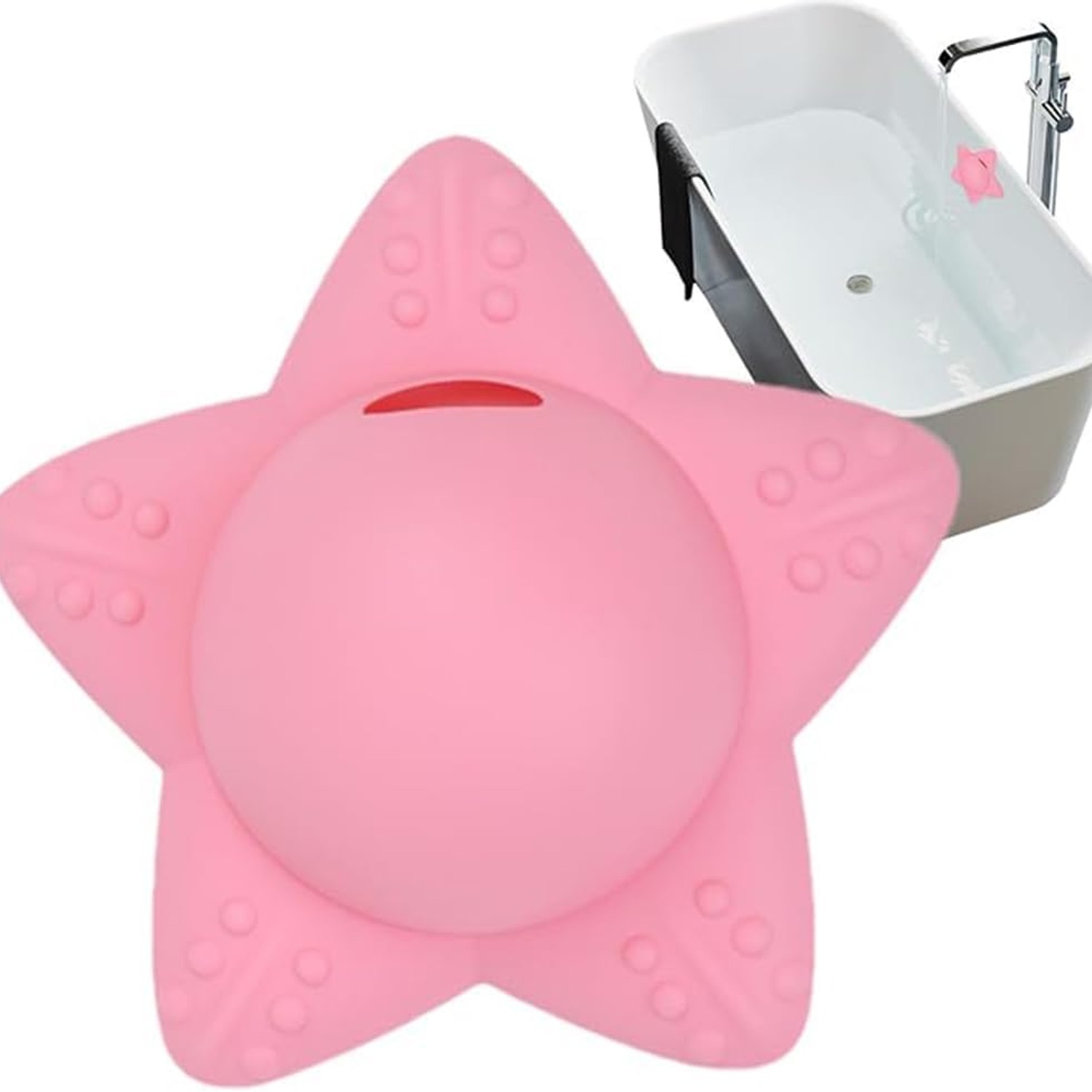
This cover is a piece of moulded silicone with suction cups on the back. The silicone is soft enough to press flat against the curve of a tub wall, which is what creates the seal. The cups hold it there.
Fitting takes about ten seconds. Wet the suction cups, hold the cover against the wall so it is centred over the overflow and the vent holes at the top are facing upward, then press each cup down firmly one at a time. You will feel it grab. Then run your bath as normal and watch the water go past a line it has never crossed before.
Afterwards, lift an edge to break the vacuum and the cover comes straight off. Rinse it, let it dry, put it away. That is the entire routine.
Two things matter for a good seal. The first is a clean, smooth tub surface. Soap film, body oil and dust all stop suction cups working, and that is nearly always the reason one fails. The second is water on the cups themselves. Dry suction cups do not grip properly. A quick splash is enough.
Who this suits
People with shallow tubs get the most out of it. If your overflow sits low, you are losing several inches of possible depth every single bath, and covering it changes the experience completely.
Renters are the other obvious group. You cannot repipe a bathroom you do not own, and you should not want to. A suction cover is reversible in a second, leaves nothing behind and travels with you when you move. The best tub overflow cover for renters is simply the one that comes off cleanly, and silicone does that.
It also suits anyone who uses the bath for recovery. If you soak after a long shift, a run or a gym session, having your shoulders under warm water rather than exposed to a cold bathroom makes a real difference to how useful that twenty minutes is.
Parents often pick one up as well, partly for the deeper water at bath time and partly because a soft silicone panel is nicer than a hard plastic fitting at head height. Be clear on this though. It is a bath accessory, not a safety product, and no cover replaces an adult sitting with the child.
Choosing the right one
Start with your overflow. Look at the wall around it and ask two questions. Is it smooth? Is it flat enough for suction cups to make full contact? Most tubs have a smooth panel right around the overflow fitting, which is exactly where the cups land. Heavily textured, chipped or antique tubs are where you might run into trouble.
Next, think about material. Silicone is the sensible choice for a bathroom. It stays flexible in hot water, does not rust, does not go brittle quickly, and wipes clean with nothing more than soap. This cover is silicone, which is why it can conform to a curved surface rather than sitting proud of it like a rigid plastic disc would.
Then look at how it attaches. Suction is the method that asks nothing of your plumbing. Alternatives exist, including covers that clip into the overflow fitting itself, but those depend on matching a specific drain design. Suction is more forgiving across different tubs.
Size is worth a sanity check. The exact dimensions of this cover are not specified by the maker, so if you have an unusually large or oddly placed overflow, measure the flat area around it before you order. For a standard household tub that is rarely an issue.
Finally, consider storage. This one weighs 0.08 kg, so it lives happily in a drawer, on a hook or in a wash bag. Light weight also makes it one of the better options if you want something you can take to a hotel or holiday rental where the tub is even shallower than the one at home.
Using it well
Fill the bath while you are in the room. This is the one rule that genuinely matters. The overflow is a backup, and with it covered that backup is not available, so the tap needs your attention. Set the water running, stay nearby, and turn it off with a comfortable gap left below the rim. Remember that your body will raise the level when you get in, so leave room for that.
If you like a very deep bath, fill it a little lower than you think, get in, and then top up with hot water if there is room. That way you never find out the hard way where your personal limit is.
When you are done, pull the cover off before you drain the tub, or straight after. Leaving it stuck on for weeks traps moisture behind the silicone, which is how soap scum and mildew get started in an area you cannot see.
Keeping it clean
Rinse it under warm water after each bath. Wipe the suction cups with your fingers to clear any film, then stand it somewhere it can dry on both sides. That is the whole job most of the time.
Every few weeks, or whenever the grip starts feeling weak, give it a proper wash with mild dish soap and a soft cloth. Do the tub wall at the same time. Clean cup, clean wall, and the suction comes straight back. Stay away from bleach, solvents and scouring pads, which all shorten the life of silicone and can scratch the surface so the cups never seal as well again.
If the cover ever starts leaving water marks or sliding mid-bath, it is almost always one of three things. Dirty cups, a dirty tub, or the cover fitted upside down with the vent holes at the bottom. Check those before assuming it is faulty.
The short version
Your bath is shallow because of one small hole, and that hole is easy to cover. A silicone bath overflow drain cover presses on with suction cups, seals the opening, and lets the water rise several inches higher than normal. There is no plumbing work, no adhesive and no permanent change to the tub.
It is light at 0.08 kg, it is made from silicone, it comes one to a pack, and it rinses clean in seconds. Fit it with the vent holes up, keep the cups and the tub wall clean, and never leave a filling bath unattended now that the built-in backup is covered.
For most people it is a small purchase that changes an everyday routine. Deeper water, warmer for longer, shoulders under the surface instead of in the cold.