
The complete guide
How to Choose a Sink Strainer Holder That Actually Keeps Your Drain Clear
The slow drain nobody plans for
Kitchen drains rarely block all at once. They get slower over months, and most of the time it is not one dramatic thing that did it. It is the daily stuff: a handful of rice, some pasta that stuck to the colander, coffee grounds tipped from the plunger, the bits of onion skin that slipped off the board. Each one looks harmless going down. Together they form a soft, greasy mat in the trap that water has to push through.
By the time you notice, you are standing over a sink of grey water with a plunger in your hand. That is the problem a sink strainer holder with mesh bags is built to solve, and it does it in the simplest way possible. It puts a bag where the scraps already are, so they never reach the pipe.
How a sink strainer holder works
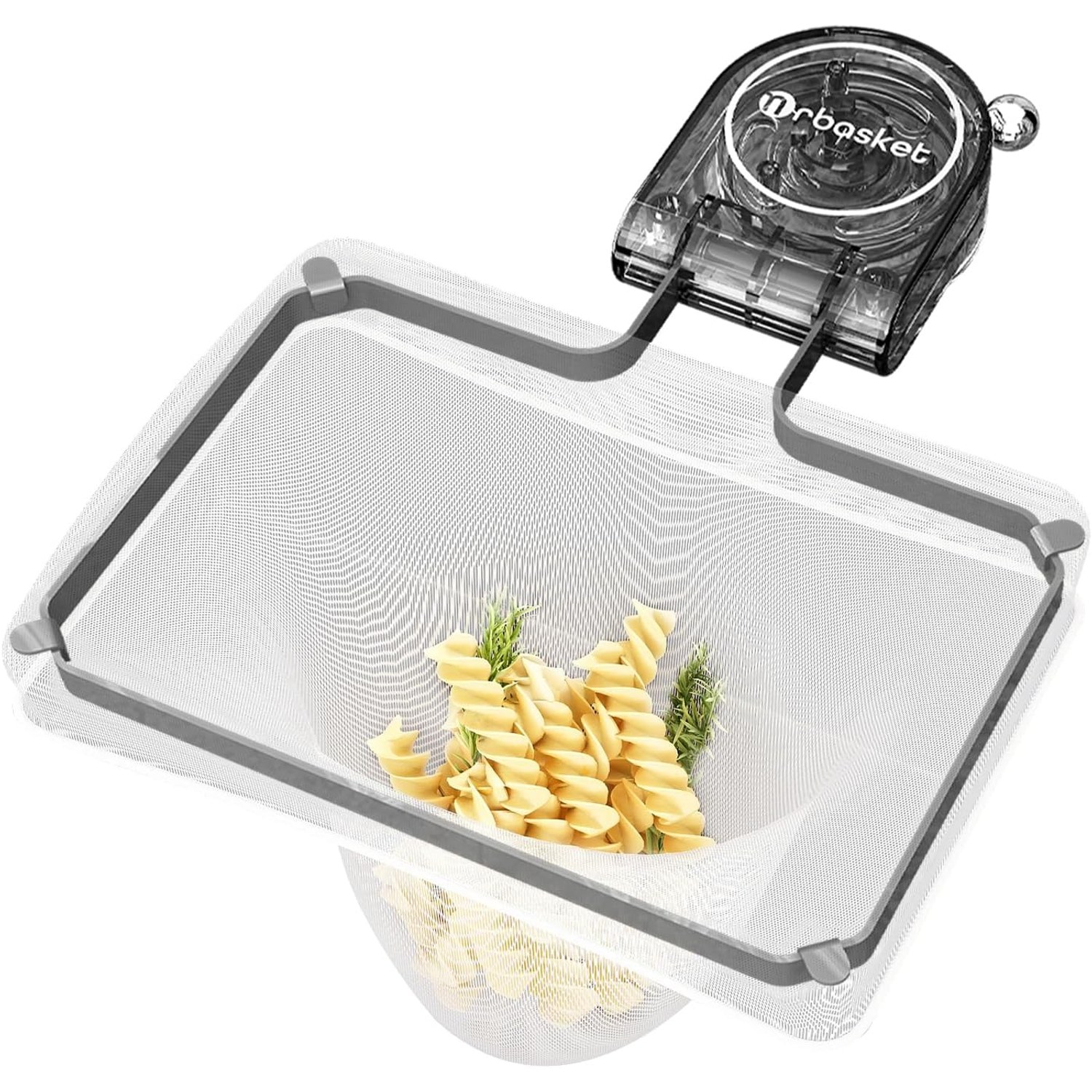
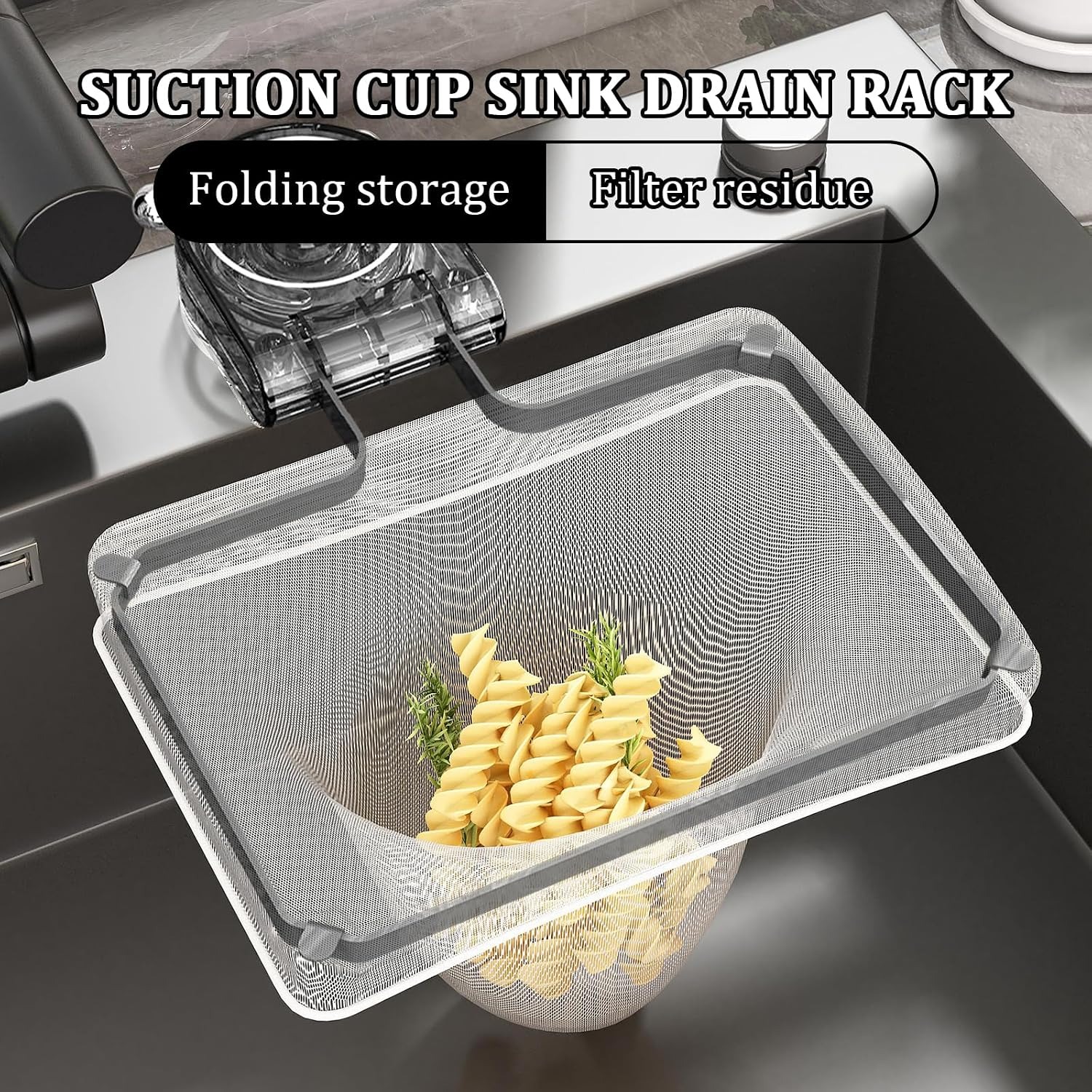
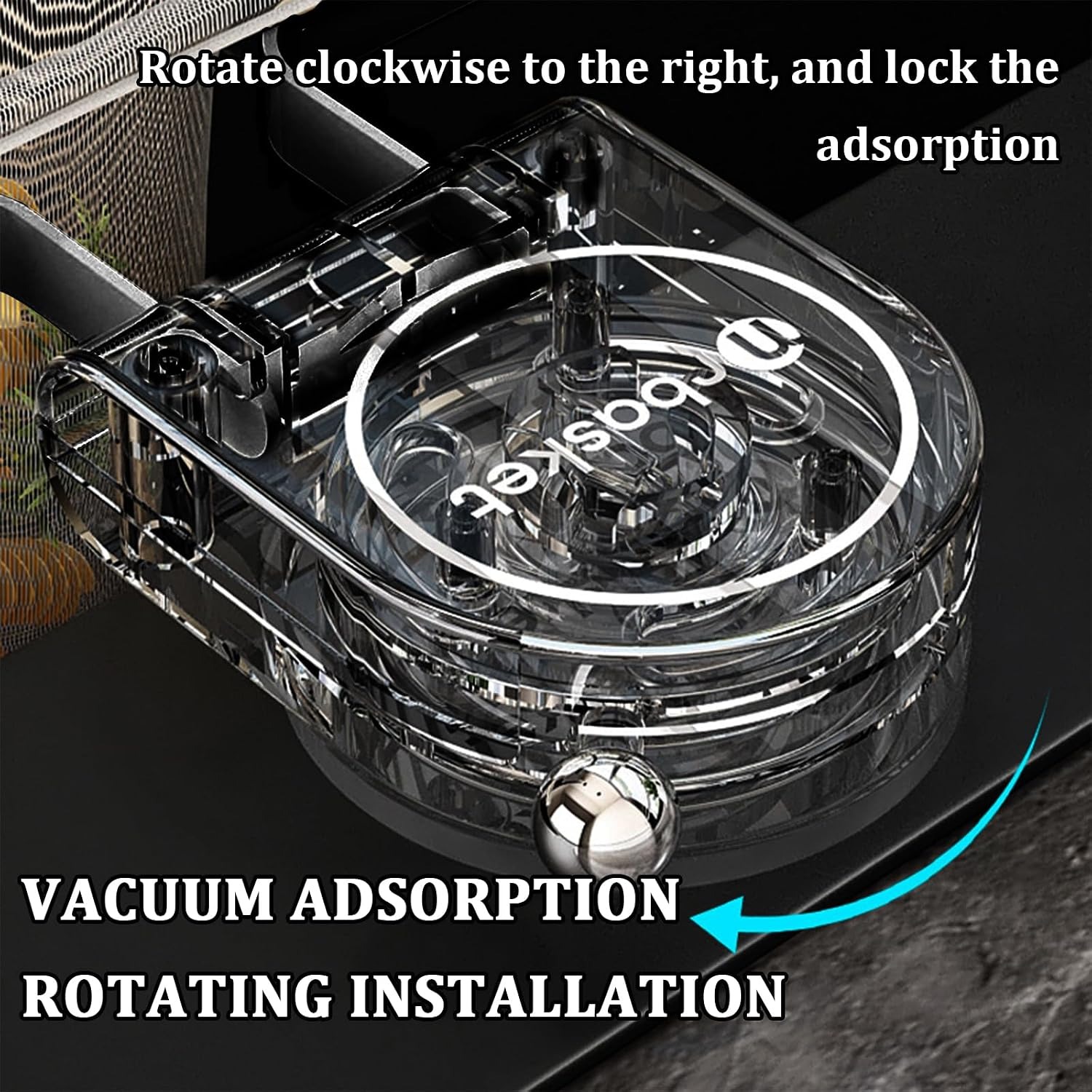
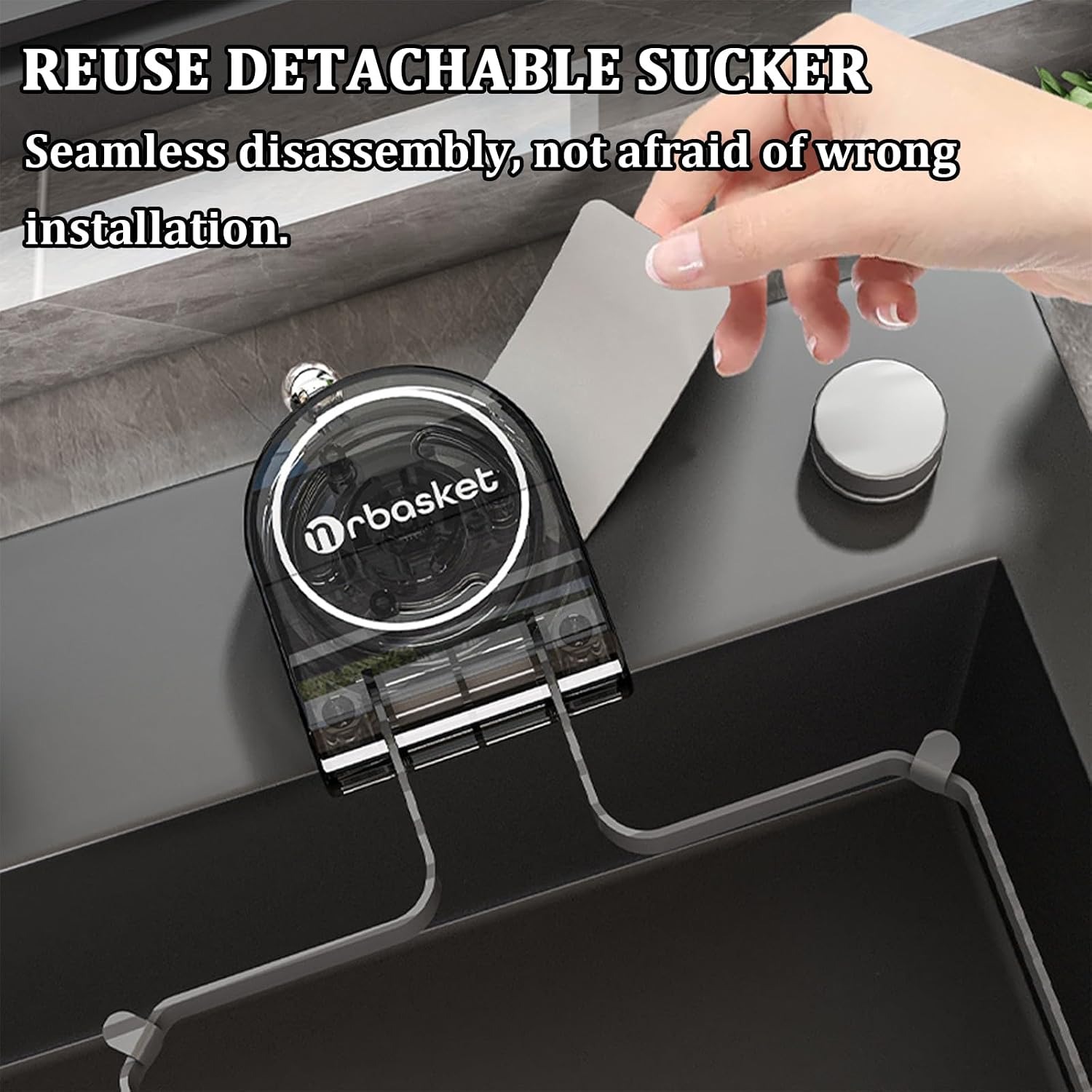
The idea is almost too plain to need explaining, which is part of why it works. A plastic frame attaches to the inside wall of your sink with suction cups. You fit a mesh bag over the rim of the frame, and that bag sits open and ready while you work.
As you scrape plates or trim vegetables, the scraps go into the bag instead of into the basin. Water drains through the mesh and down the sink normally. When the bag is full, you lift it out, tie the top, and put it in the bin or the compost. The frame stays where it is, ready for the next bag.
The two extra details on this particular model matter more than they sound. First, it folds. Press it flat against the sink wall and your basin is clear again, which is useful when you need to fit a roasting pan or fill a bucket. Second, it works without a bag. Open the frame with nothing in it and you have a small rack that holds washed berries, herbs or salad leaves while they drip into the sink instead of onto a tea towel.
Who gets the most out of one
Anyone who cooks from scratch will notice the difference fastest. If you are peeling, chopping and trimming most nights, you generate a steady stream of scraps that has to go somewhere. A food waste filter basket turns that into a one-step job rather than a constant trip back and forth to the bin.
Renters are another good fit. You do not want to be the person calling the agent about a blocked drain, and you certainly do not want to pay a plumber for something preventable. A suction cup sink strainer fits with no screws, no adhesive and no marks, and it comes off the wall and into the moving box when you leave.
Households that compost or have a green waste bin get a second benefit. Scraps go straight from the sink into the bag and from the bag into the caddy, with nothing dripping across the kitchen floor in between. People with small kitchens also do well with it, because it uses the dead corner space of a sink that nothing else can use.
It is less essential if you have a waste disposal unit that handles everything, though even then plenty of people prefer to keep fibrous peels and coffee grounds out of it.
What to look for when you choose one
Mounting method. Suction cups are the easy option because they go on and come off in seconds and leave nothing behind. The trade-off is that they only grip smooth, non-porous surfaces. Stainless steel and glossy composite sinks are ideal. If your sink is heavily textured or made of something rough, suction will struggle and a hanging or clipped design suits you better.
Whether it folds. This is the feature that decides if you keep using it. A rigid frame that always sticks out into the basin becomes an obstacle, and obstacles get removed and put in a cupboard. A foldable sink drain rack flattens when you need room, so it stays installed and stays useful.
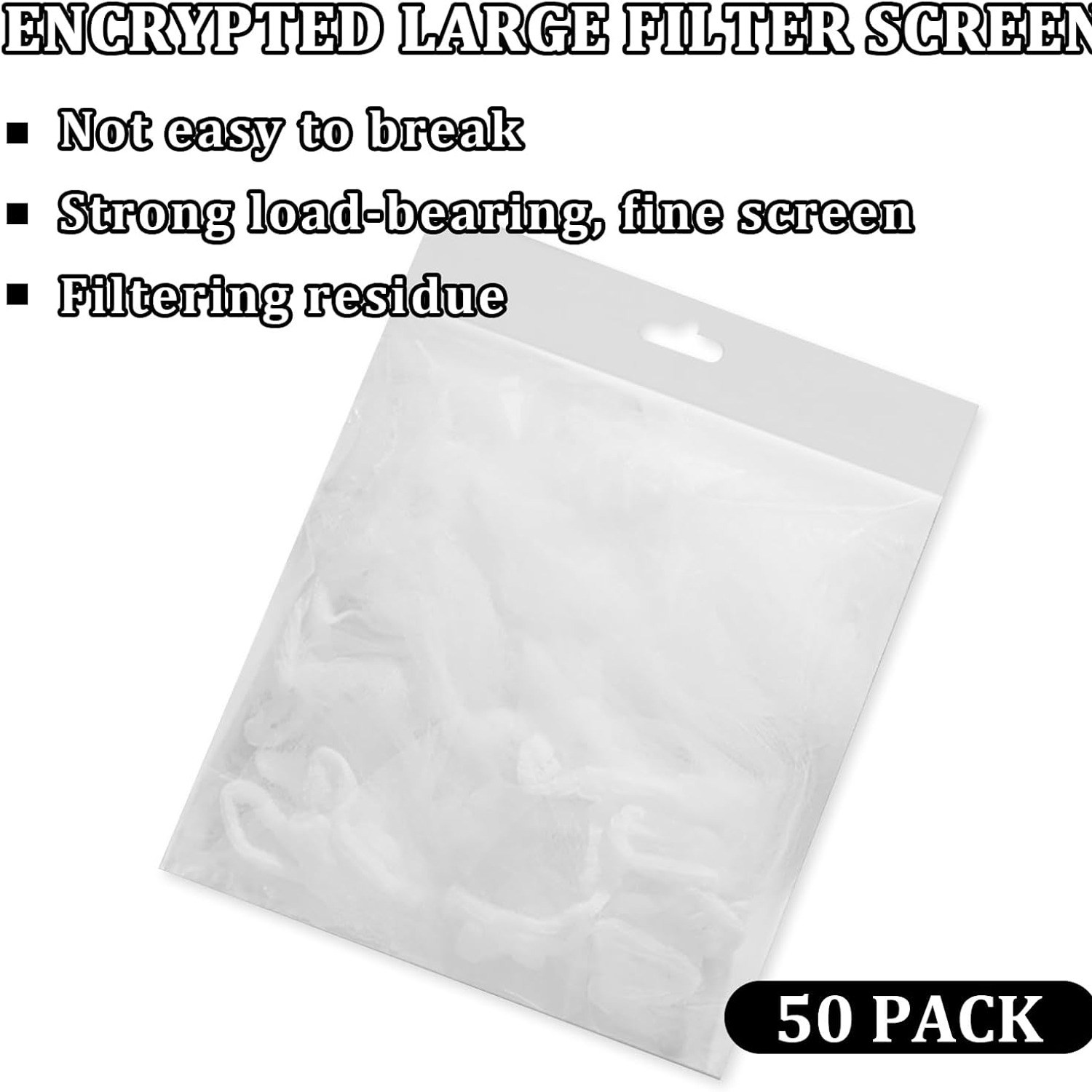
Bag compatibility. Check that the frame takes ordinary mesh sink bags rather than only a proprietary size. Standard disposable bags are cheap and easy to find, and reusable mesh bags work too if you prefer to wash and reuse. This holder is designed for mesh bags, though the number included is not stated by the supplier, so plan on buying a pack of them.
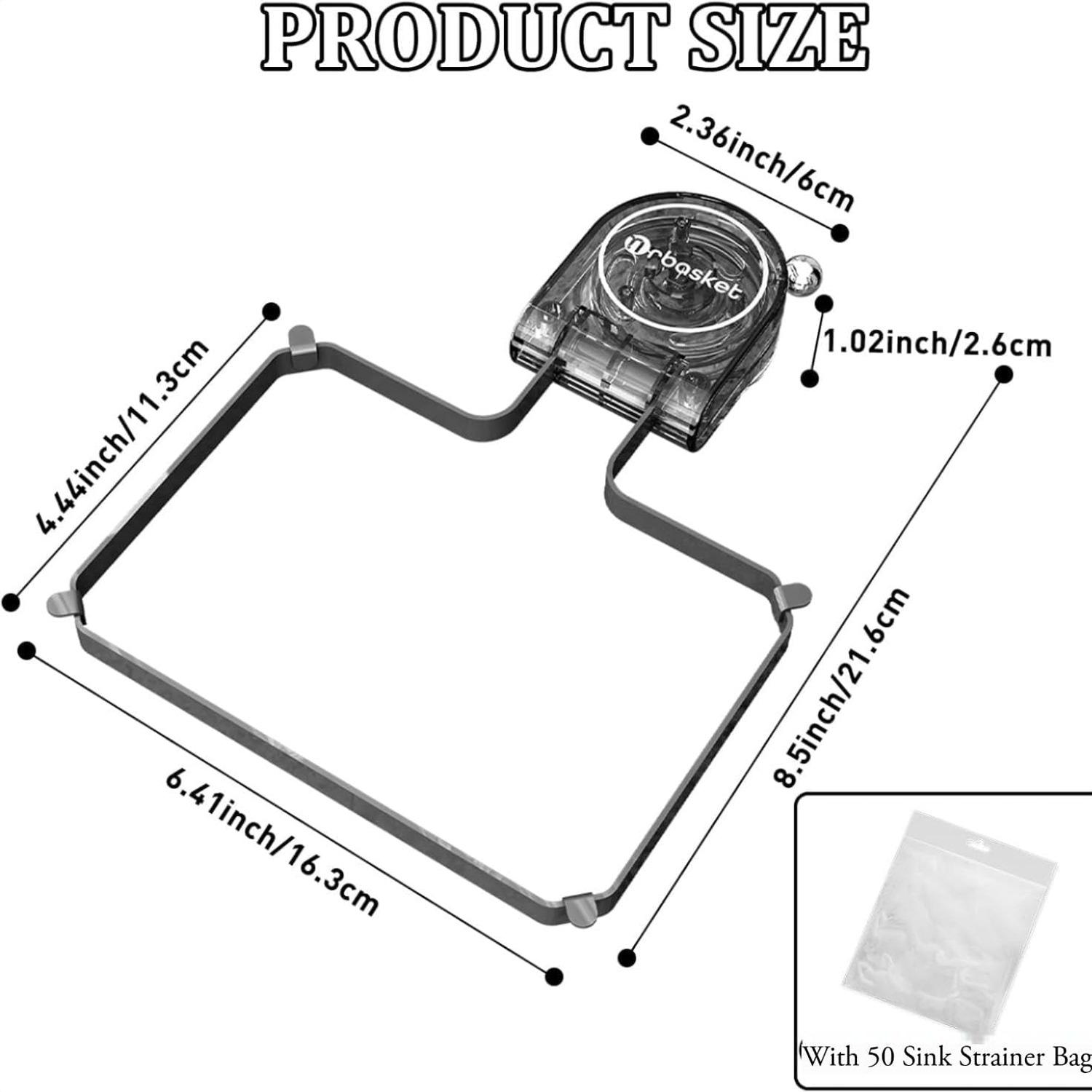
Size against your sink. The listed item depth on this model is 4.44 inches. Full dimensions are not specified by the maker, so take thirty seconds to measure the corner of your sink where you would mount it. Most standard kitchen sinks have plenty of room, but bar sinks and some apartment basins are tighter than you expect.
Material and finish. Plastic is the sensible choice here. It does not rust, it does not mark stainless steel, and it is light enough that suction cups can hold it easily. This one is grey with a natural, uncoated finish, which stays fairly anonymous against a steel sink instead of shouting for attention.
Getting it set up properly
Most suction cup problems come down to installation, not the cups themselves. Start by washing the area of sink wall where it will sit. Dish soap and a cloth are enough, and the point is to remove any grease film, because grease is what stops a seal forming.
Rinse that patch and leave it slightly damp. Wipe the face of each suction cup the same way. Press the frame firmly against the wall and hold it for a few seconds while the air pushes out. You should feel it bite.
If it slips a week later, that is normal and not a fault. Take it down, wash both surfaces again, and remount. A kitchen sink picks up grease constantly, so a clean and remount every month or two is just part of the routine.
Keeping it clean
This is simple. Rinse the frame under warm water after you empty the bag and wipe it dry. Once a week, take it down and wash it with mild dish soap and a soft sponge, paying attention to the rim where the bag sits, since that is where residue collects.
Stay away from abrasive scourers and bleach. Both can mark the plastic, and bleach in particular can make plastic brittle over time. Very hot water is not a good idea either, since it can soften or warp light plastic frames.
Empty the bag daily. That one habit prevents almost every odour complaint people have about sink strainers. A bag left overnight with wet food in it in a warm kitchen will smell, no matter how good the holder is.
The short version
A sink strainer holder with mesh bags is a small, cheap piece of kit that prevents a problem most people only deal with after it has become expensive. It catches food scraps at the sink, holds them in a bag you can lift out and bin, and then folds flat so it is not in your way.
This model mounts with suction cups on smooth sinks, folds against the sink wall, takes standard mesh bags, and doubles as a drip rack for washed produce. It is grey plastic with a plain modern look and a listed depth of 4.44 inches. Dimensions beyond that, weight and country of origin are not specified by the maker, so measure your sink corner if space is tight.
Check that your sink surface is smooth enough for suction, keep a pack of mesh bags on hand, empty it daily, and give it a wash once a week. Do that and it will quietly do its job for a long time.