
The complete guide
How To Choose A Replacement Sink Basket Strainer That Actually Fits
The problem nobody warns you about
Nobody buys a kitchen thinking about the sink basket. You choose the sink, you choose the tap, maybe you agonise over the splashback, and the little perforated basket in the drain is just there. Then two or three years pass and you notice it. The chrome has gone patchy. There is a rust ring where the metal meets the water line. The rubber seal has gone hard and no longer holds water. Or it has simply disappeared, which happens more often than you would think during a big clean.
And once you notice it, you cannot stop noticing it. A dull, stained basket in an otherwise tidy kitchen is one of those small things that quietly drags the whole room down. It is the sort of fix that takes ten seconds and costs very little, but most people put it off because they are not sure what to order.
That uncertainty is fair. Sink drains look standard until you try to buy a part for one. This guide walks through what a replacement sink basket waste actually is, how to check it will fit, and what separates a basket that lasts from one that looks tired by next summer.
What the basket is actually doing
A kitchen sink basket strainer does two jobs that pull in opposite directions, which is why the design matters.
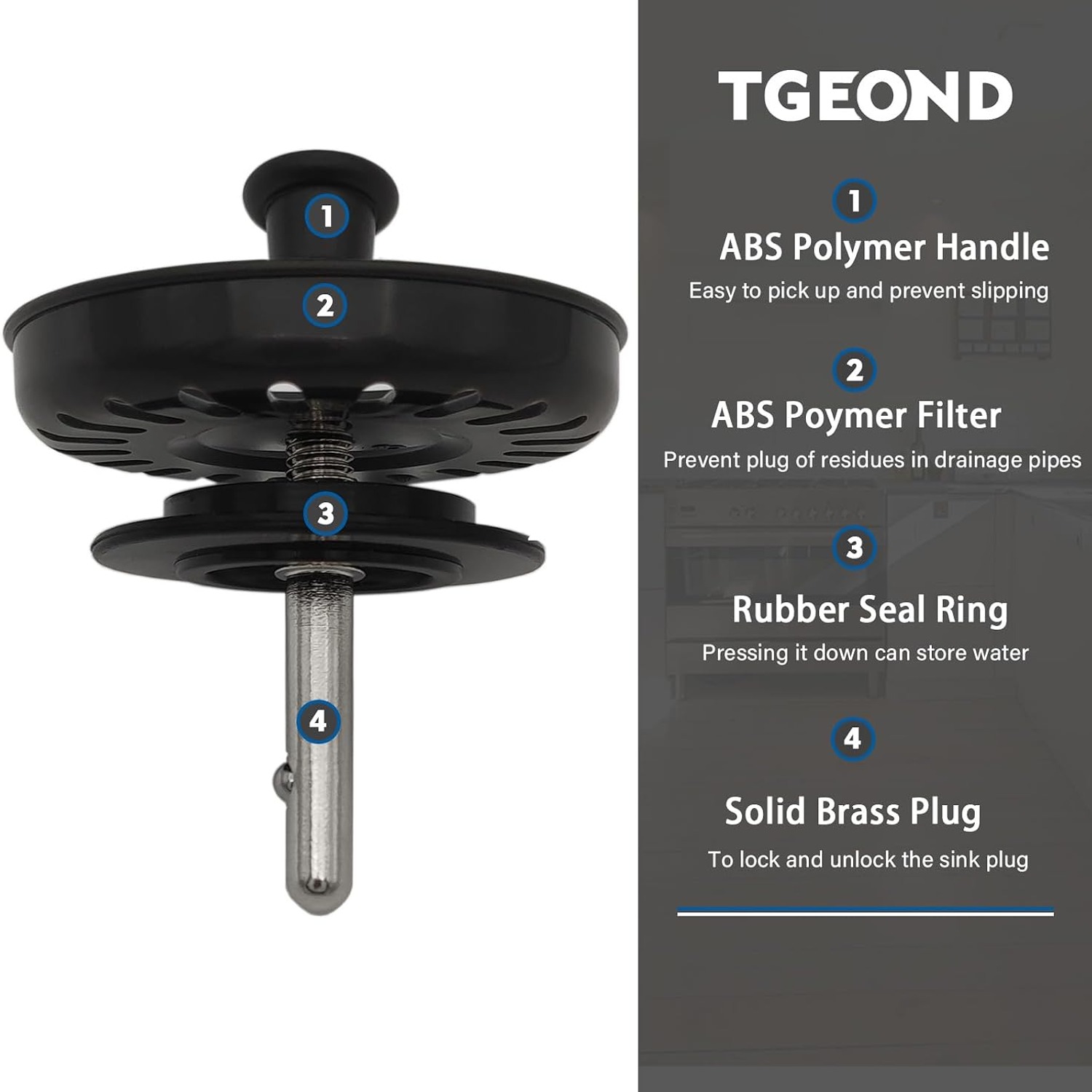
The first job is straining. When you scrape plates and rinse pans, all sorts of solids end up in the bowl. Rice, pasta, coffee grounds, onion skin, fat that has started to set. The basket sits in the drain opening with perforations around its wall, so water passes through and the solids stay behind. You then lift the basket out and tip the contents into the bin. That one habit prevents most of the slow blockages that build up in a kitchen trap over months.
The second job is stopping. Press the basket down and the centre plug seals the drain so the bowl holds water. That is what you want for soaking a roasting tin, washing up by hand, or rinsing vegetables in a bowl of water instead of under a running tap.
A good basket does both without fuss. You should be able to move between draining and sealing with one hand, usually while the other hand is holding a dripping pan.
Sizing, and why most people get it wrong
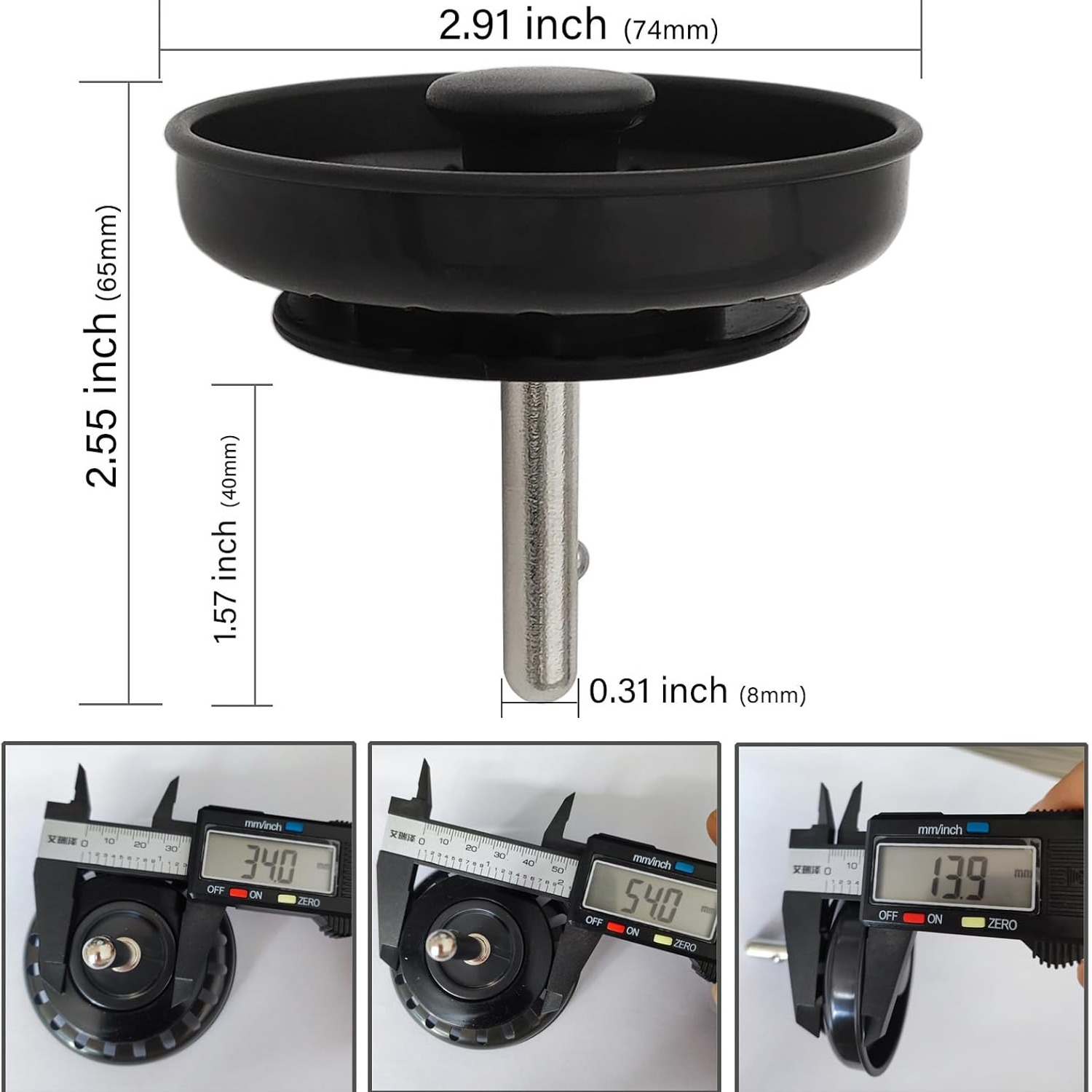
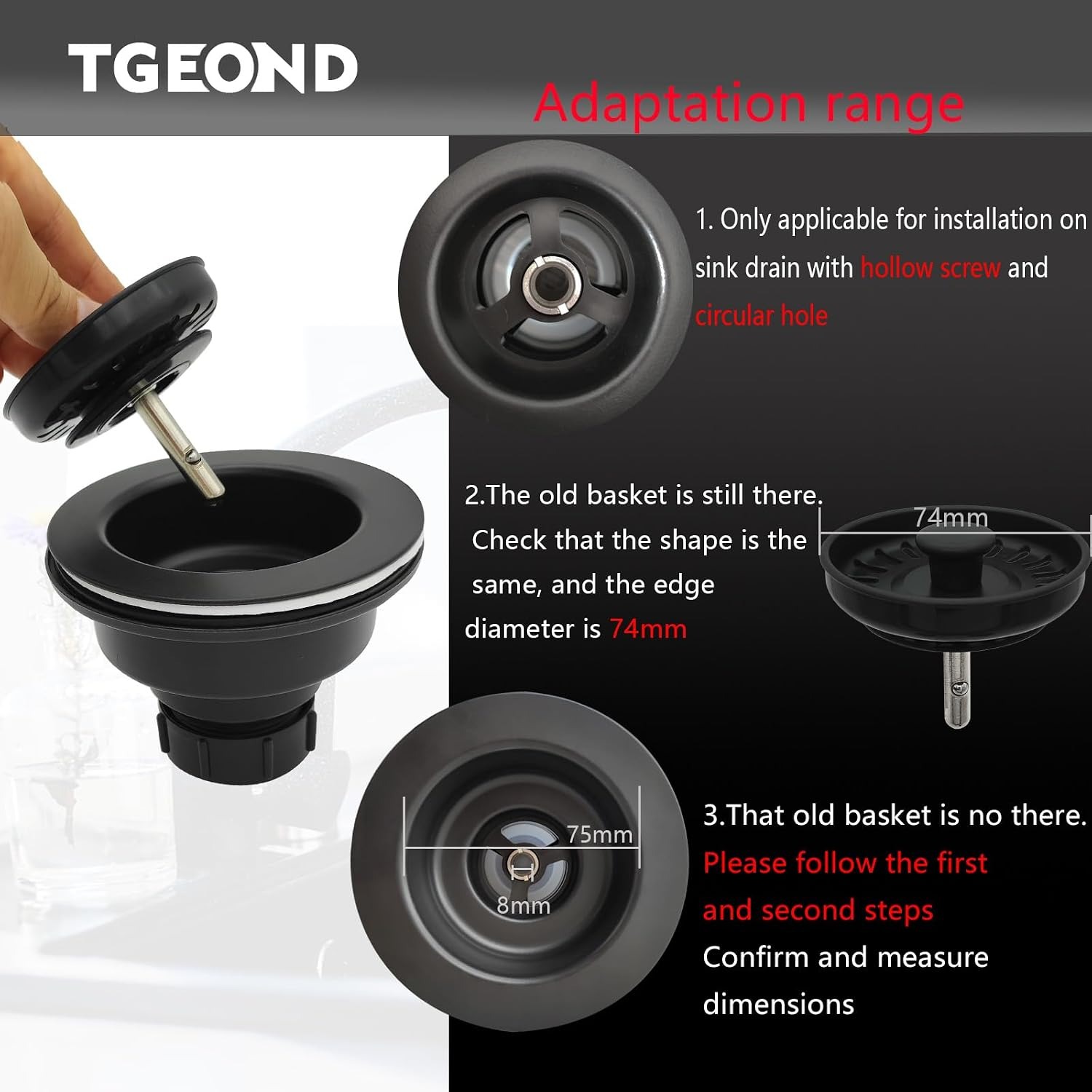
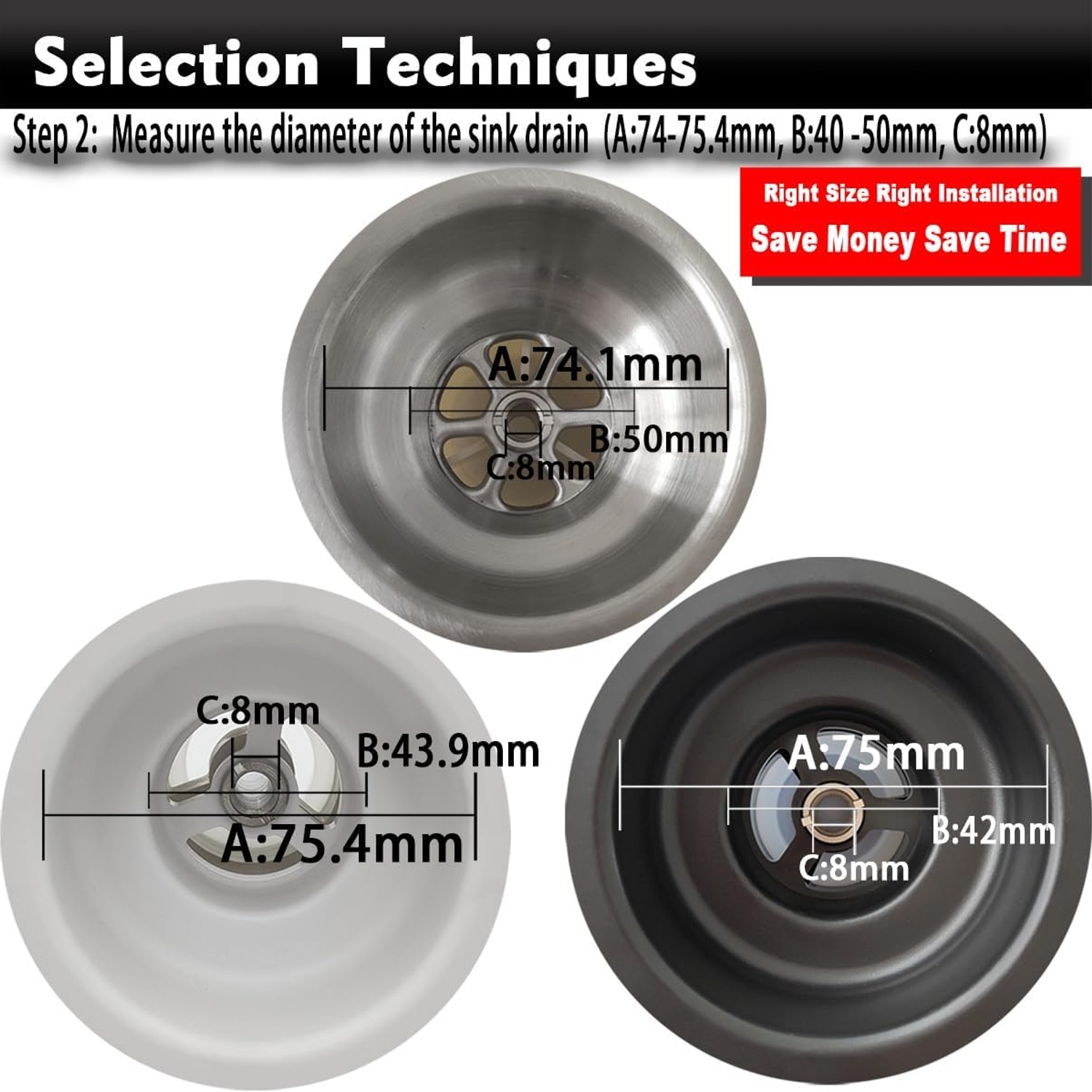
Here is the single most important check. Standard kitchen sink drains use a 3.5 inch opening, and this TGEOND basket is made for that size. Before you order anything, do two quick things.
First, measure the diameter of the drain opening across the top of the sink bowl. Use a tape or a ruler laid flat across the hole. You are measuring the visible circular opening, not the pipe below it. If you get roughly 8.9 cm, you have a standard 3.5 inch drain.
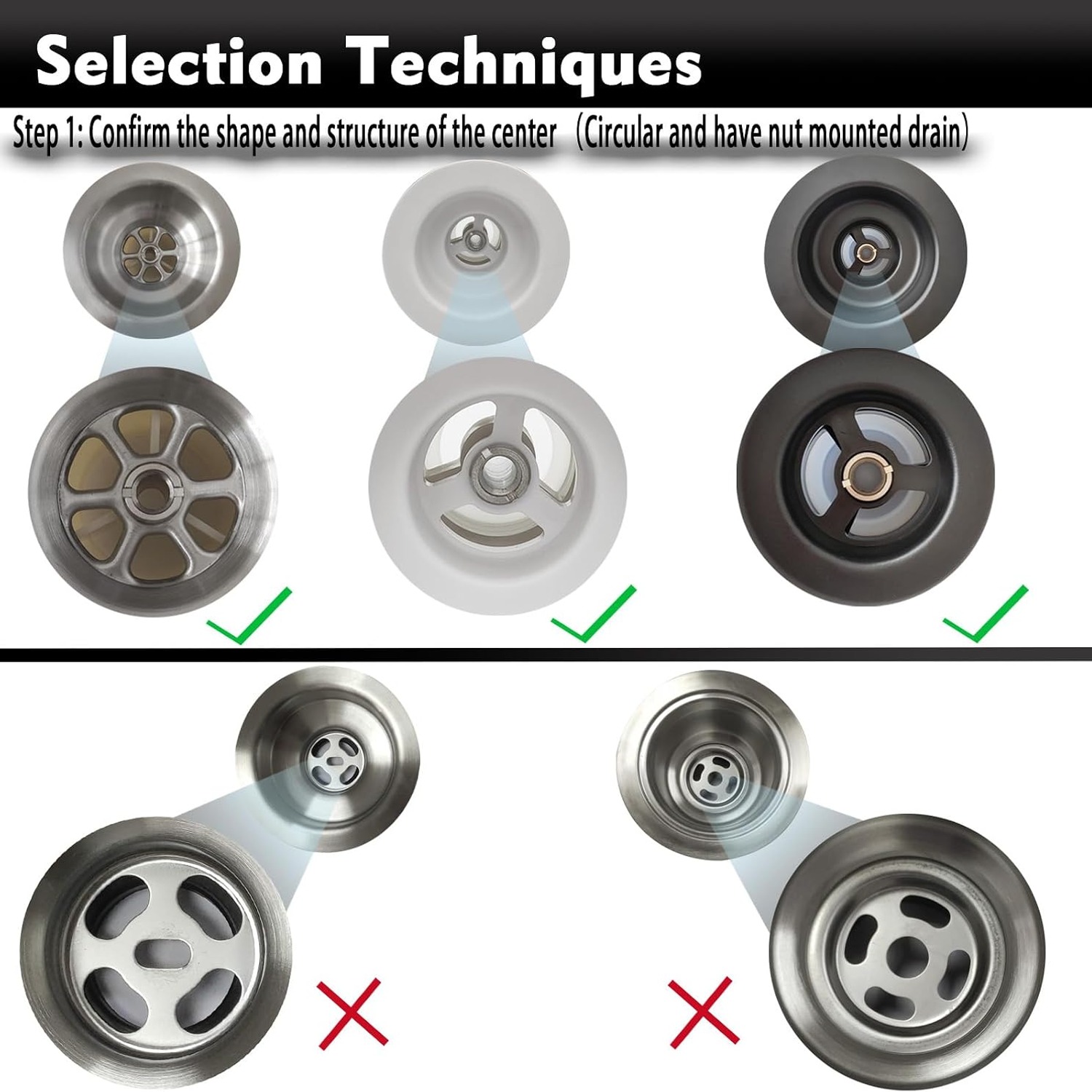
Second, look down into the drain. There should be a circular hollow screw sitting in the centre of the drain body. That is what the basket seats against, and it is what the brass centre plug presses onto when you want to hold water. If there is no central screw, your drain uses a different retention system and this style of basket will not seat correctly.
Those two checks take under a minute and they prevent almost every wrong order. It is also worth noting that a bathroom basin waste is a smaller diameter and a different design entirely, so a kitchen basket will not transfer across.
Materials, and the rust question
The failure most people describe is rust. A basket sits in standing water several times a day, every day. Pressed steel baskets with a thin plated coating will eventually get a chip or a scratch, water finds the bare metal underneath, and from then on you have an orange stain in your sink that no amount of scrubbing clears.
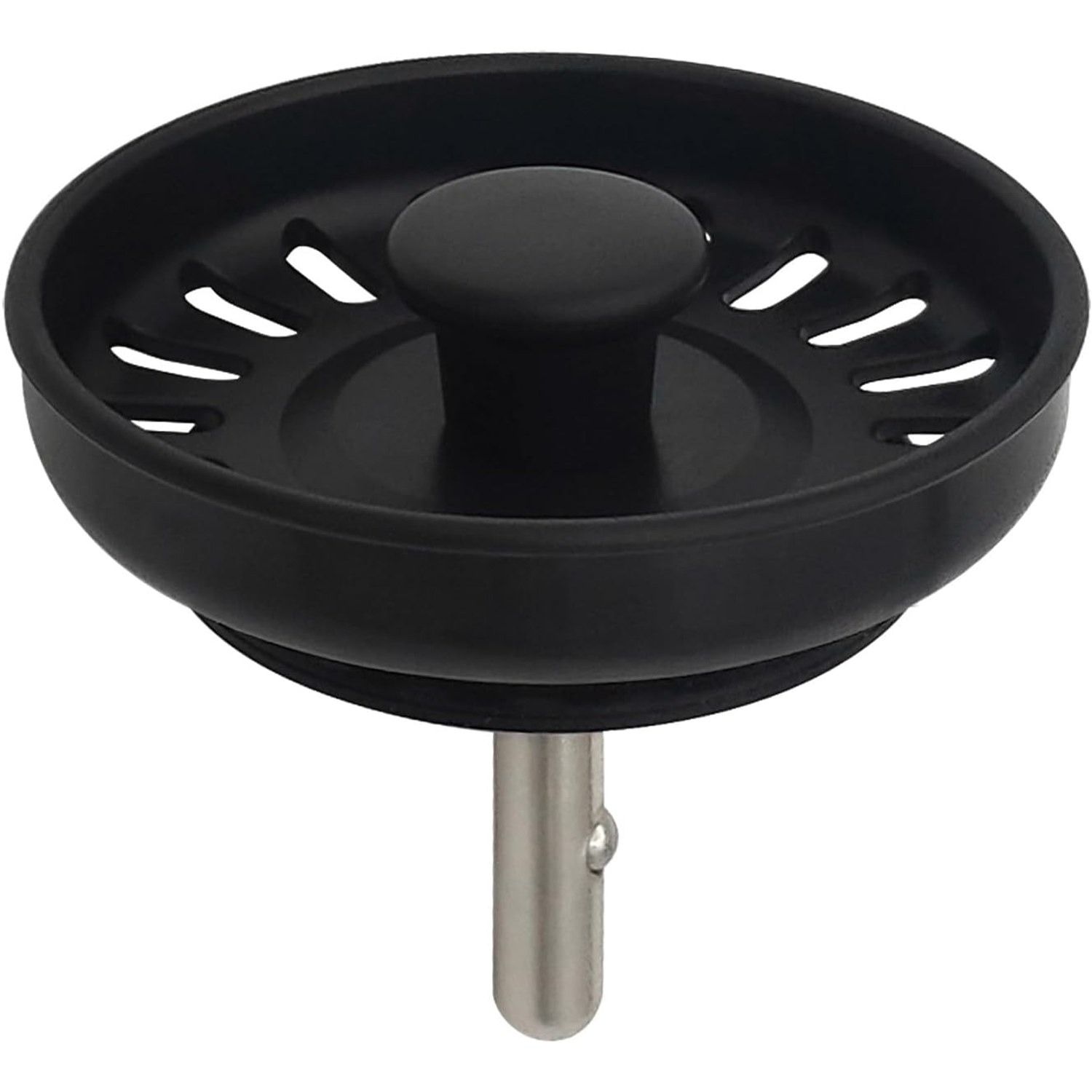
This basket uses a different approach. The body is thick ABS plastic and the centre plug is solid brass. Neither of those will rust. The plastic takes the knocks and the daily immersion, and the brass does the sealing work at the centre where the mechanism gets handled most. If you have been through one or two rusted baskets already, this is the combination worth trying.
Finish matters too. Matte black is the reason most people search for this part. A chrome basket in a black composite sink looks like a mistake. A matte black basket reads as part of the sink. If your tap and waste fittings are black, a matching basket finishes the look without any other work.
Who this suits
This is a straightforward replacement part, so it suits anyone whose drain body is still sound but whose basket has had enough. That covers a lot of kitchens. Drain bodies tend to outlast baskets by years, because the body is not being lifted, dropped, scrubbed and knocked around daily.
It also suits renters. You can swap a basket without touching the plumbing, keep the original somewhere safe, and put it back when you move out. No landlord conversation required.
Renovators often buy one to finish a job. You have put in the black sink and the black tap, and then realised the basket that came with the sink is chrome. A matching basket is the cheapest part of that whole project.
The one group this does not suit is anyone with a waste disposal unit. Those use their own flange and splash guard rather than a conventional strainer basket. If your sink has a disposal fitted, check the setup carefully before ordering.
Fitting it
There is no fitting process worth the name. Pull the old basket out. Drop the new one in. Push it down and check it seats against the central screw. Fill the bowl with a little water and confirm it holds, then lift the basket and confirm it drains.
If it holds water but seeps slowly, the usual culprit is the drain seat rather than the basket. Years of grit and old sealant can leave a rough surface where the plug makes contact. Wipe the seat clean with a cloth and your finger, clear any debris from around the central screw, and try again.
Keep the old basket in a drawer for a week until you are satisfied. Once you are, it can go.
Keeping it looking good
Matte finishes reward gentle treatment. The routine is simple. After washing up, lift the basket out, tip the scraps into the bin or compost caddy, and rinse it under warm water. Once or twice a week give it a wipe with a sponge and dish soap to shift any greasy film.
What to avoid is also short. No scouring pads. No bleach. No harsh chemical drain cleaners while the basket is in place, since those can attack both finishes and plastics. If you do need to use a drain product, lift the basket out first, rinse it, and put it back once you have flushed everything through with plenty of water.
Drying the basket before you drop it back in reduces water spotting, though that is more about looks than longevity.
A note on habits
The best food catcher for the sink is only as good as the routine around it. A basket that is emptied after every wash up keeps your trap clear for years. A basket left to fill up until water starts backing up is doing half a job.
Build the empty into the end of the washing up, the same way you wipe the bench. It takes five seconds and it is the single cheapest piece of plumbing maintenance available to anyone.
The short version
You need a 3.5 inch drain opening with a circular hollow screw in the centre. Check both before you order. If you have that, this matte black basket drops straight in with no tools, works as both a strainer and a stopper, and uses ABS and brass so it will not rust the way a plated steel basket does.
It costs very little, it takes seconds to fit, and it fixes something you have probably been quietly annoyed by for months. If you are still unsure whether your drain is the right type, send us your measurement and a description of what you can see inside the drain, and we will tell you straight whether this is the right match.