
The complete guide
How to Choose a Kitchen Sink Strainer and Waste Plug That Actually Lasts
The small part that causes the big problem
Nobody buys a sink strainer because they are excited about it. You buy one because the old one has gone wrong, and a sink that drains slowly or will not hold water turns every wash up into a small argument with the kitchen.
The usual failures are predictable. The rubber seal hardens and the water creeps away while you are soaking a pan. The rim bends after being whacked by a saucepan one too many times and never sits flat again. The plastic version stains brown around the holes and stays that way no matter what you scrub it with. Or it simply vanishes, tipped into a bin bag along with a load of potato peel.
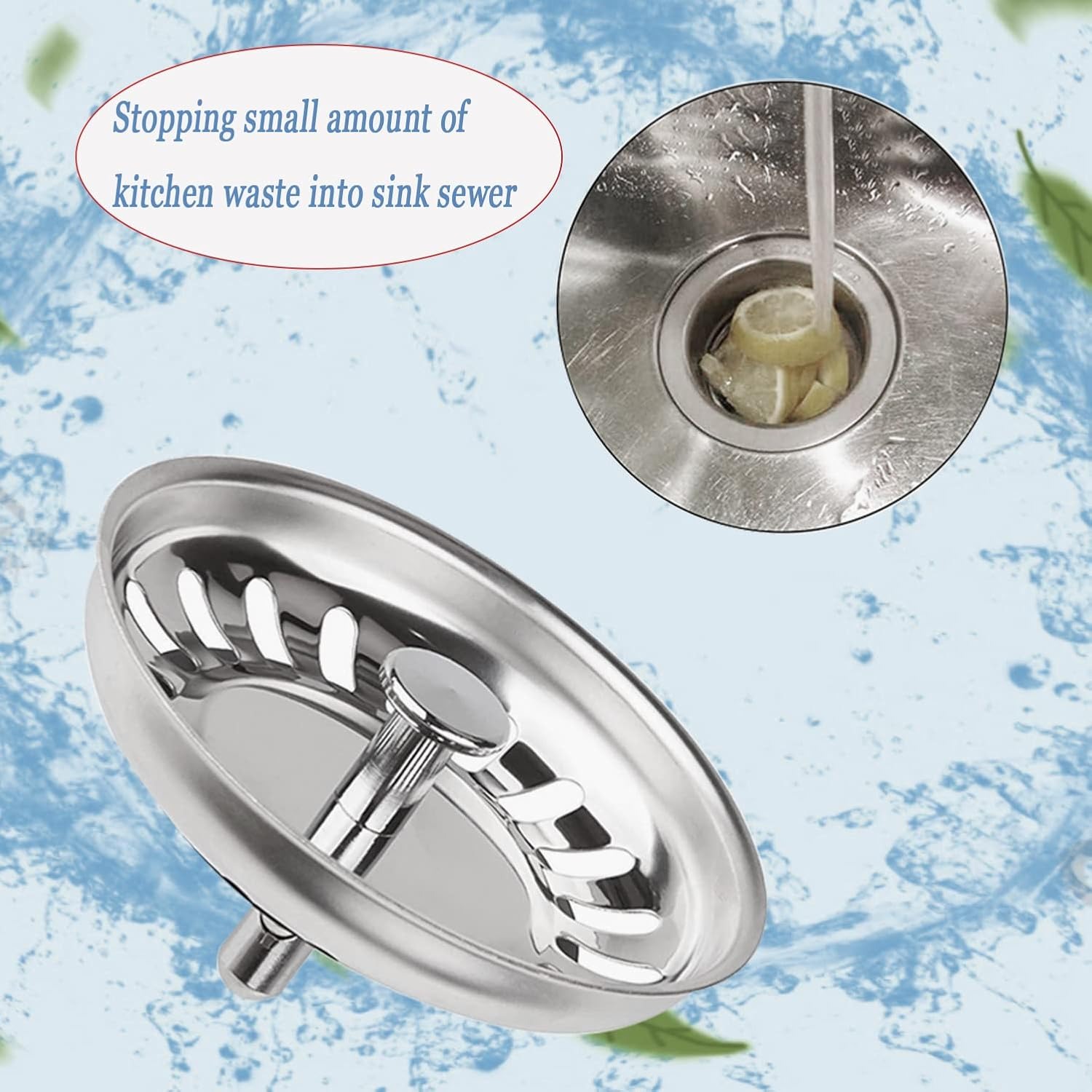
Meanwhile the real damage is happening out of sight. Every bit of rice, pasta and vegetable peel that slips past the strainer goes into the trap under the sink. Mixed with fat and soap, that builds into a soft plug that narrows the pipe. By the time you notice a slow drain, there is already a lot of it down there. A working basket is the cheapest piece of drain maintenance in the house.
How a combined strainer and plug works
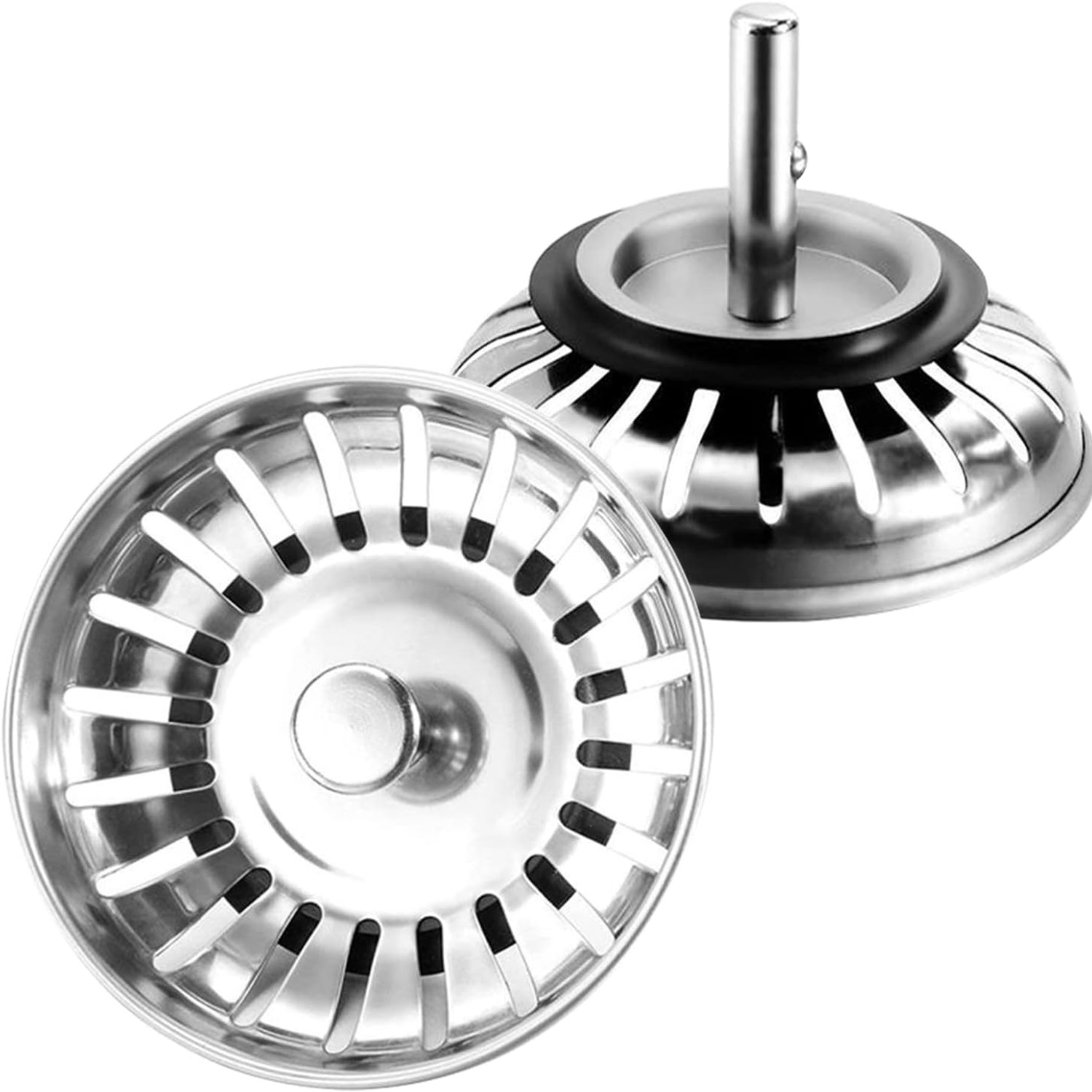
The basket sits in the circular outlet at the bottom of your sink. Water passes through the holes in the sides and base, and anything solid stays in the basket. At the end of the wash up you lift it out, tip it, rinse it, and put it back. That is the whole system.
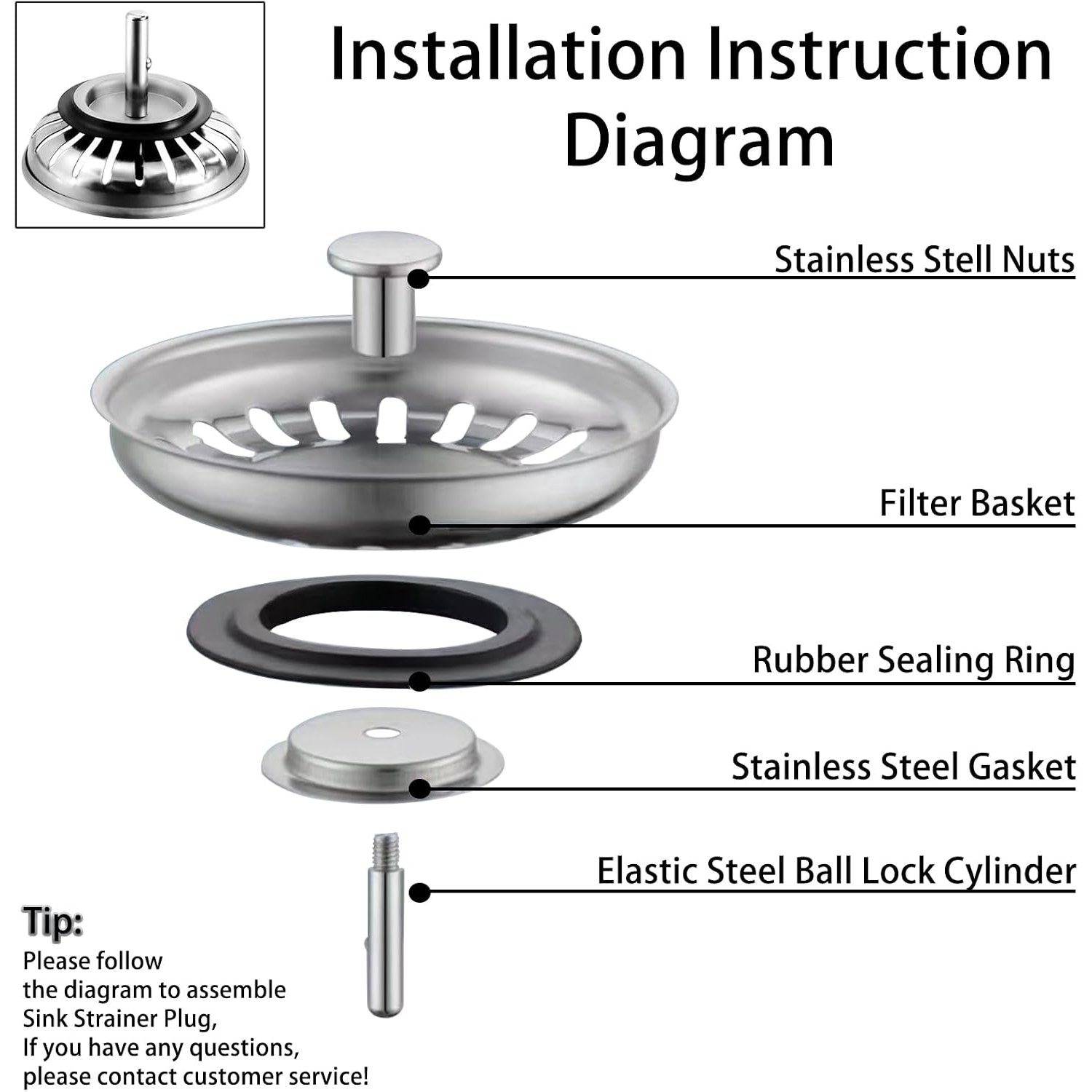
What makes this type more useful than a plain filter is the rubber seal set into the middle. Press it down and it covers the drain opening, so the bowl fills. Lift it and the water runs. One piece, two jobs, and no separate plug rolling around in the cupboard under the sink.
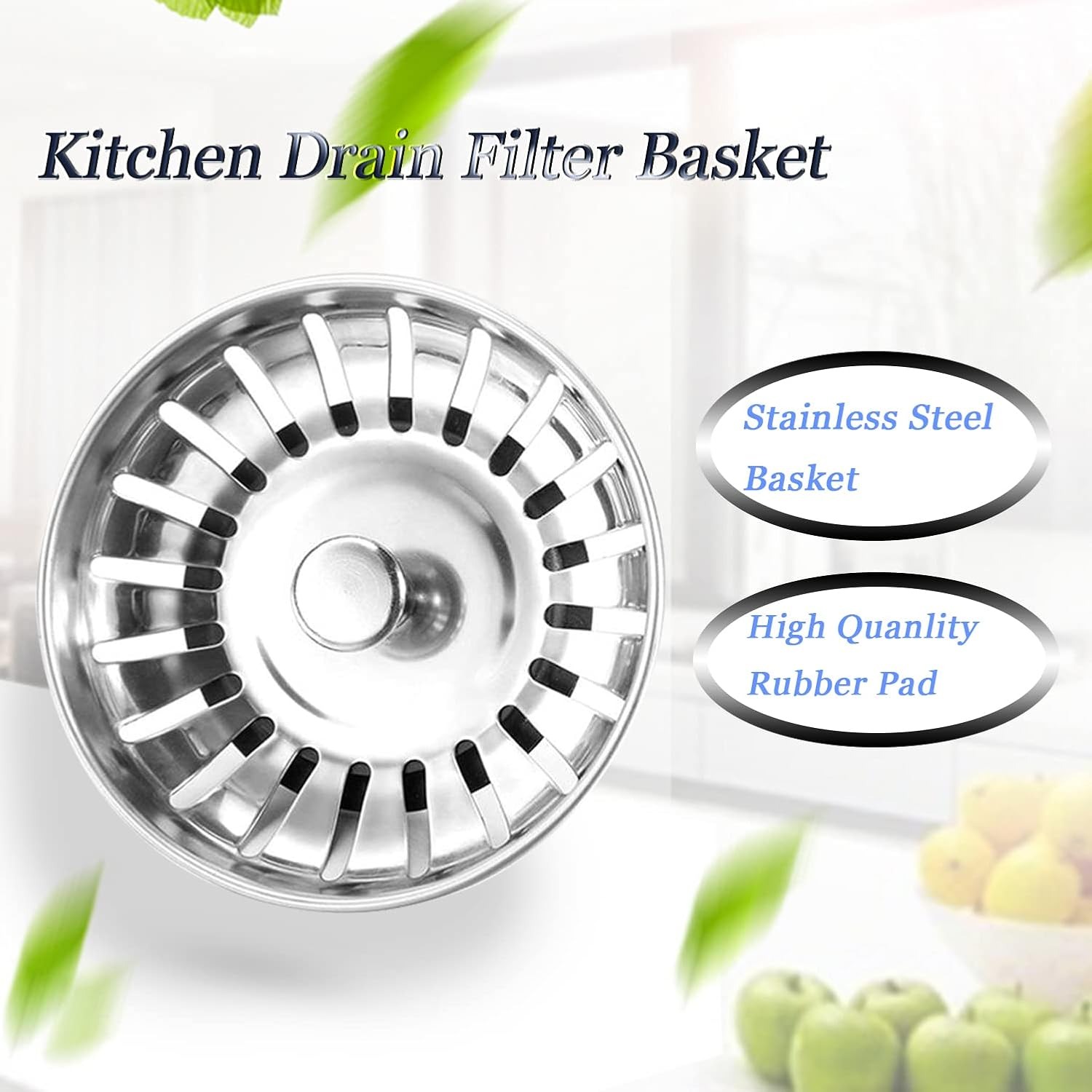
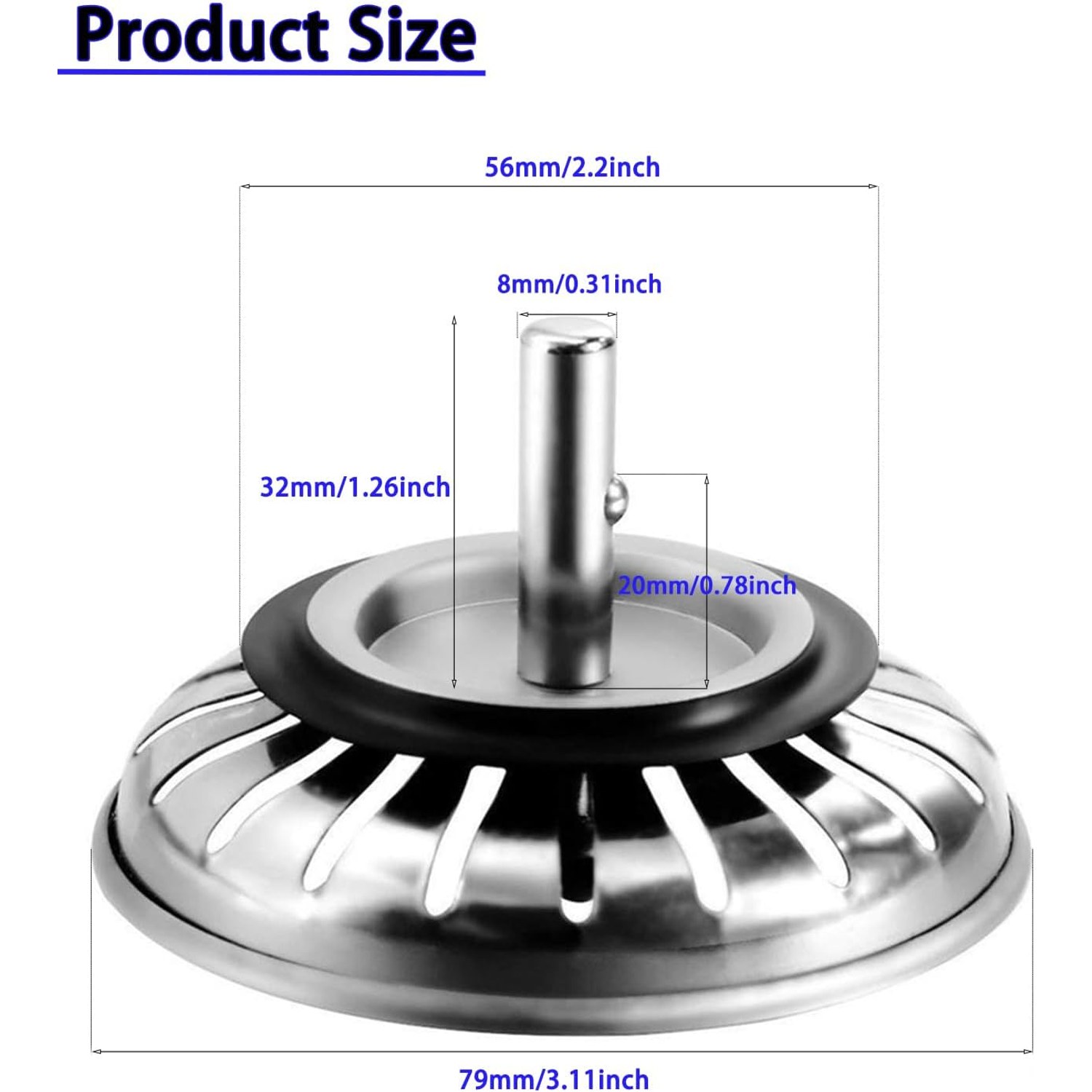
The hole pattern matters more than people expect. This design uses 20 large holes rather than a fine mesh. Fine mesh sounds better on paper, and it does catch more, but it clogs in about thirty seconds if you have just drained a pot of rice or tipped out the teapot. Then you are standing there with water sitting in the bowl, poking at the holes with a finger. Larger holes keep the water moving and still hold back the pieces that actually block pipes. For everyday cooking, that is the sensible trade.
Who this suits
If you have a double bowl sink, two matching baskets is the obvious fit. One in each side, same finish, no mismatched set where one is steel and the other is a grey plastic thing from a hardware shop ten years ago.
If you have a single bowl, you are buying a spare as much as a replacement. Strainers get lost. Having the second one in a drawer means the gap between losing one and replacing it is about four seconds instead of four weeks.
Renters get good value out of a drop in part like this. There is no plumbing, nothing is fixed in place, and when you move out you can pop the old one back in and take the new one with you. The same goes for holiday rentals and share houses, where the sink hardware takes a beating.
It also suits anyone who cooks a lot. Heavy cooking means heavy scraps, and heavy scraps are exactly what ends up in the trap. A stainless steel sink strainer basket you empty each night is simple insurance.
Getting the size right
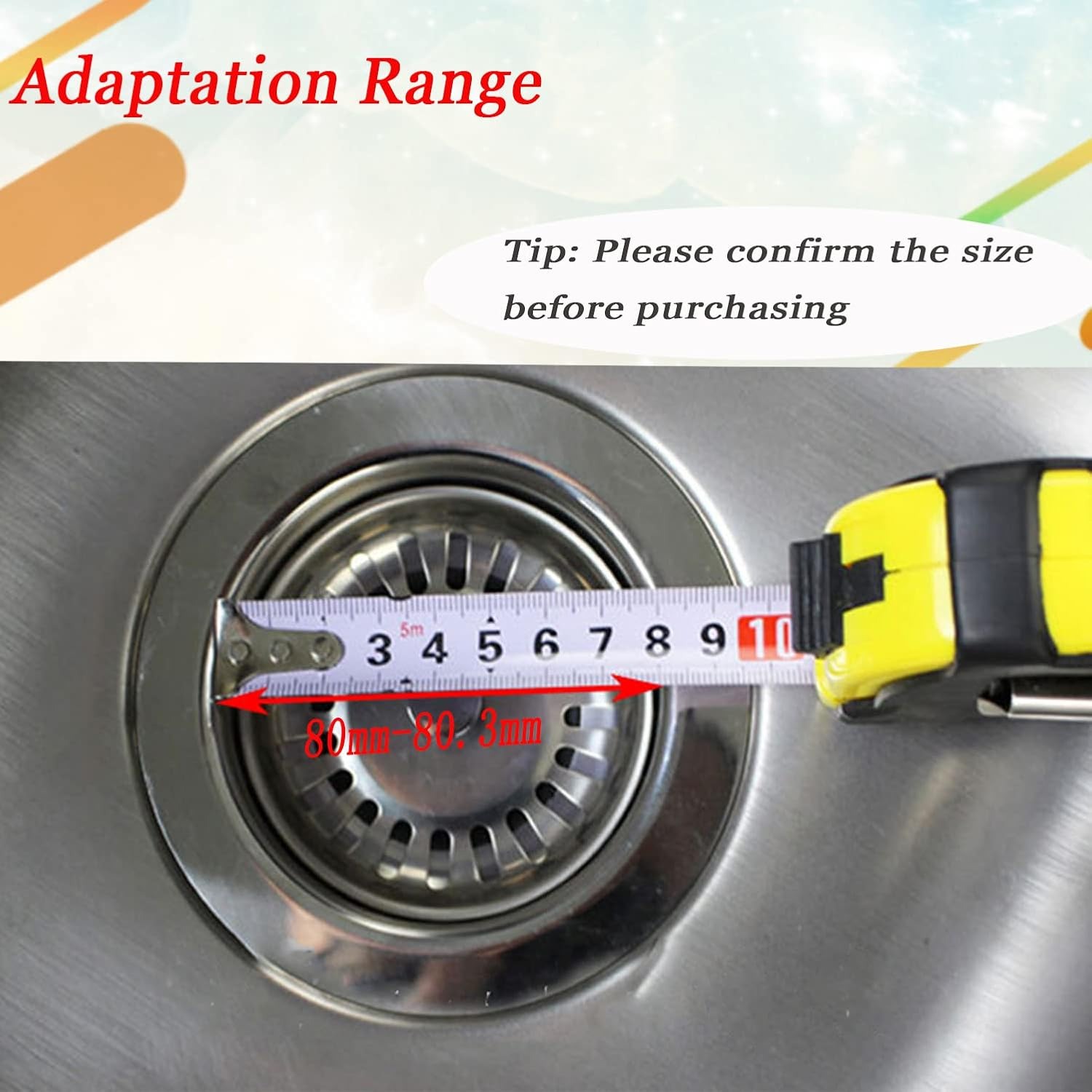
This is the part worth slowing down for. Sink outlets are not all the same, and a strainer that is slightly too big will not seat, while one that is too small will tip or let scraps run around the edge.
Take your current strainer out. Measure straight across the circular opening in the sink, inside edge to inside edge. A tape measure works, a ruler works, even a piece of string you then lay against a ruler works. You are looking for somewhere around 79 to 80mm for this one to fit properly.
If you get a number noticeably smaller, say 60 or 70mm, this is not your part and you need a narrower basket. If your sink has an unusual square or slotted waste, a round drop in basket will not suit at all.
Two small tips. Measure the sink opening, not the old strainer, because old strainers are often bent out of shape. And measure both bowls if you have a double sink, since some sinks pair a standard waste on one side with a disposal unit on the other.
Steel versus plastic
Plastic strainers are cheap and they do work, for a while. The problems show up in month three. Turmeric, tomato and tea stain them permanently. Hot pans and boiling water soften the rim so it stops sitting flat. The hinge or seal on the plug section goes brittle.
Stainless steel does not have those issues to anything like the same degree. It shrugs off boiling water, it does not take on curry stains, and it holds its shape when something heavy lands on it. It also looks right next to a steel sink and steel tapware, which matters in a kitchen where everything else matches.
The one habit worth keeping with steel is drying it now and then. Water sitting on the surface leaves mineral marks, especially in hard water areas. A quick wipe with the tea towel you are already holding keeps it clear.
Keeping it working
The routine is short. Lift the basket at the end of the wash up, tip it into the bin or the compost caddy, rinse it under the tap, drop it back. Thirty seconds at most.
Once a week, give the holes a proper go with a dish brush or an old toothbrush. Food packs into the edges of the holes where you cannot see it, and that is where smells start. Dish soap and warm water are enough.
Skip the steel wool. It scratches the finish, and scratched steel holds grease in a way smooth steel does not. Skip long bleach soaks too, since they are hard on the rubber seal. If you are pouring a drain product down the pipe, take the strainer out first and rinse it separately afterwards.
If the plug starts holding water less well over time, check the seat first. Grit or a dried scrap of food caught under the seal is the usual culprit, not a worn seal. Wipe the sink opening clean and try again before assuming the part has failed.
A note on what goes down the drain
A strainer catches solids. It does nothing about fat, and fat is half the problem in most blocked kitchen drains. Oil poured down the sink cools in the pipe, sticks to the walls, and then grabs everything that floats past.
Pour cooking oil into a jar or an empty tin, let it set, and bin it. Wipe greasy pans with a paper towel before they hit the water. Do that alongside using the basket and you will go years without thinking about your drains, which is the goal.
The short version
This is a pack of two stainless steel baskets, 79mm across, for sink outlets in the 79 to 80mm range. Twenty large holes keep the water moving, a rubber centre seal lets you fill the bowl, and the whole thing lifts out for emptying in a couple of seconds.
Measure your sink opening before you order. If it lands near 79mm, you are set, and you get a spare in the bargain. It is a small part, but it is the one standing between your dinner scraps and the pipes under the floor.