
The complete guide
How To Choose A Shower Drain Hair Catcher That Actually Works
The problem starts smaller than you think
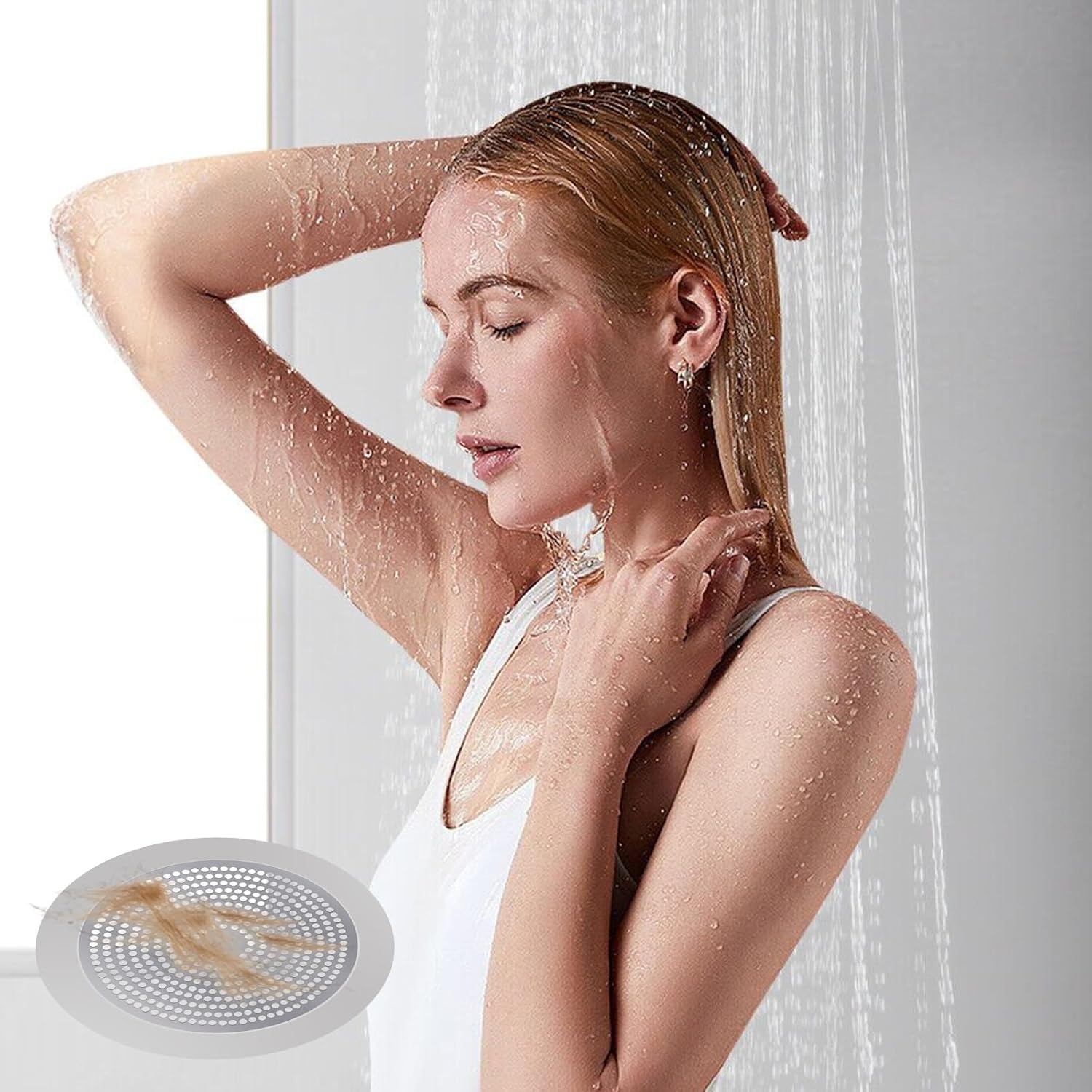
Blocked shower drains almost never happen overnight. They build slowly. A few strands of hair go down with the water, catch on a rough spot inside the pipe, and sit there. Soap, conditioner and skin cells stick to those strands. More hair arrives the next day and tangles into the same knot. Six weeks later the water is pooling around your feet and you are standing in a lukewarm puddle wondering what changed.
Nothing changed. The hair was always going down. The only difference is that the knot finally got big enough to matter.
This is why a drain cover is one of the better value items in a bathroom. It costs less than a single plumber call-out, it takes no installation, and it moves the problem from somewhere you cannot reach to somewhere you can see. Hair on a steel disc is a five second job. Hair wrapped around a trap arm is an afternoon with a drain snake and a bad mood.
How a flat drain cover works
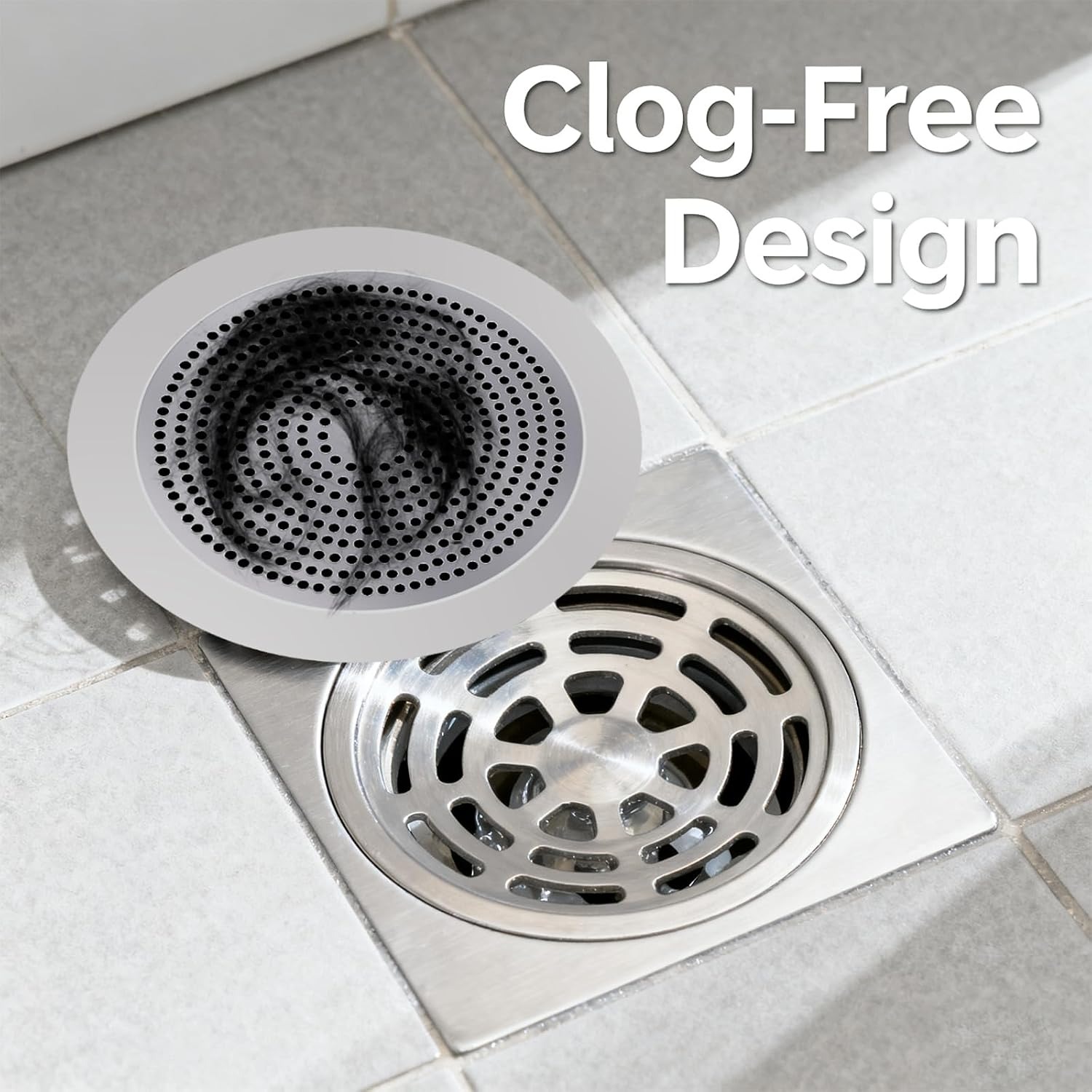
The idea is simple. A disc sits over the drain opening. Water flows around and through it. Hair, being long and stringy, does not pass through and stays on the surface.
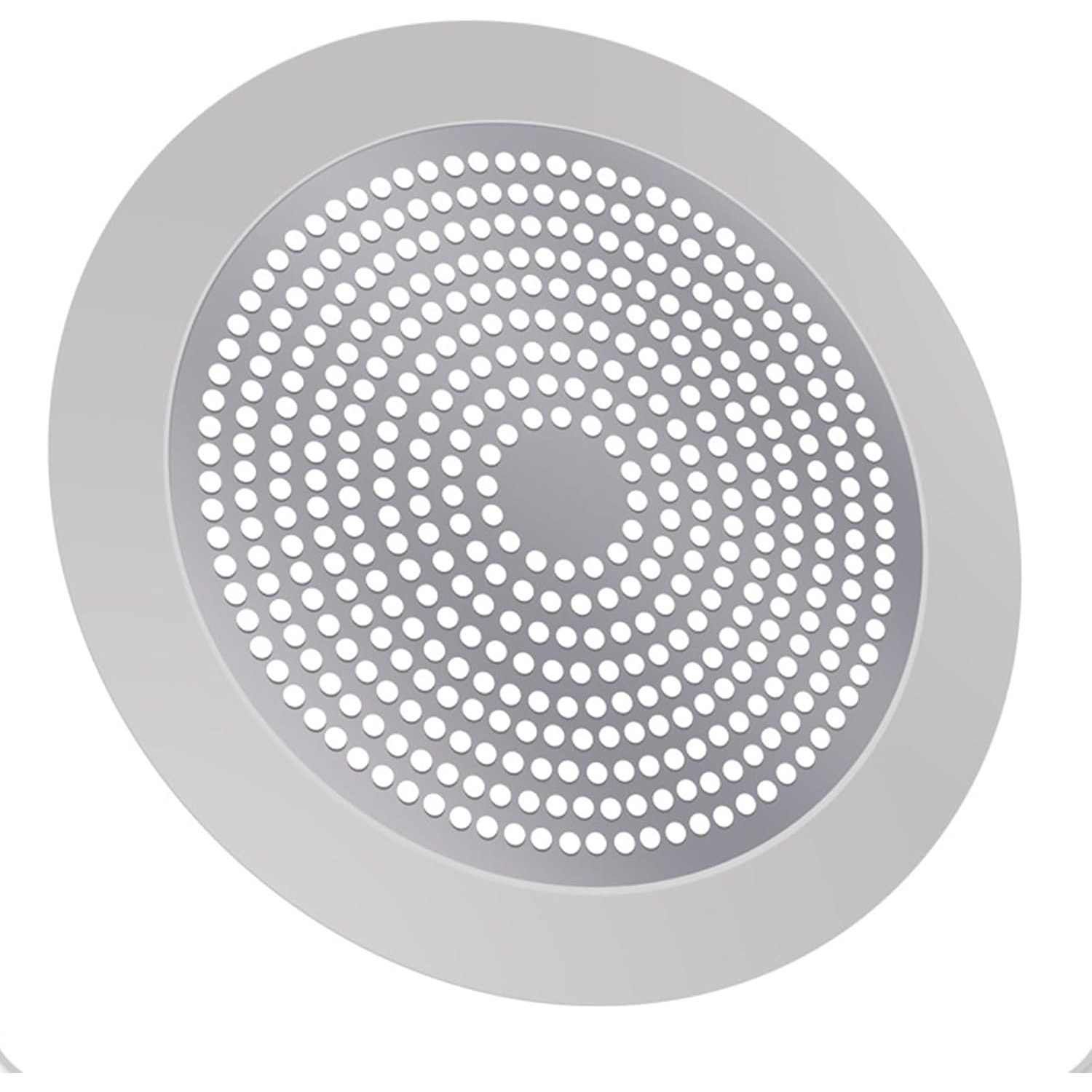
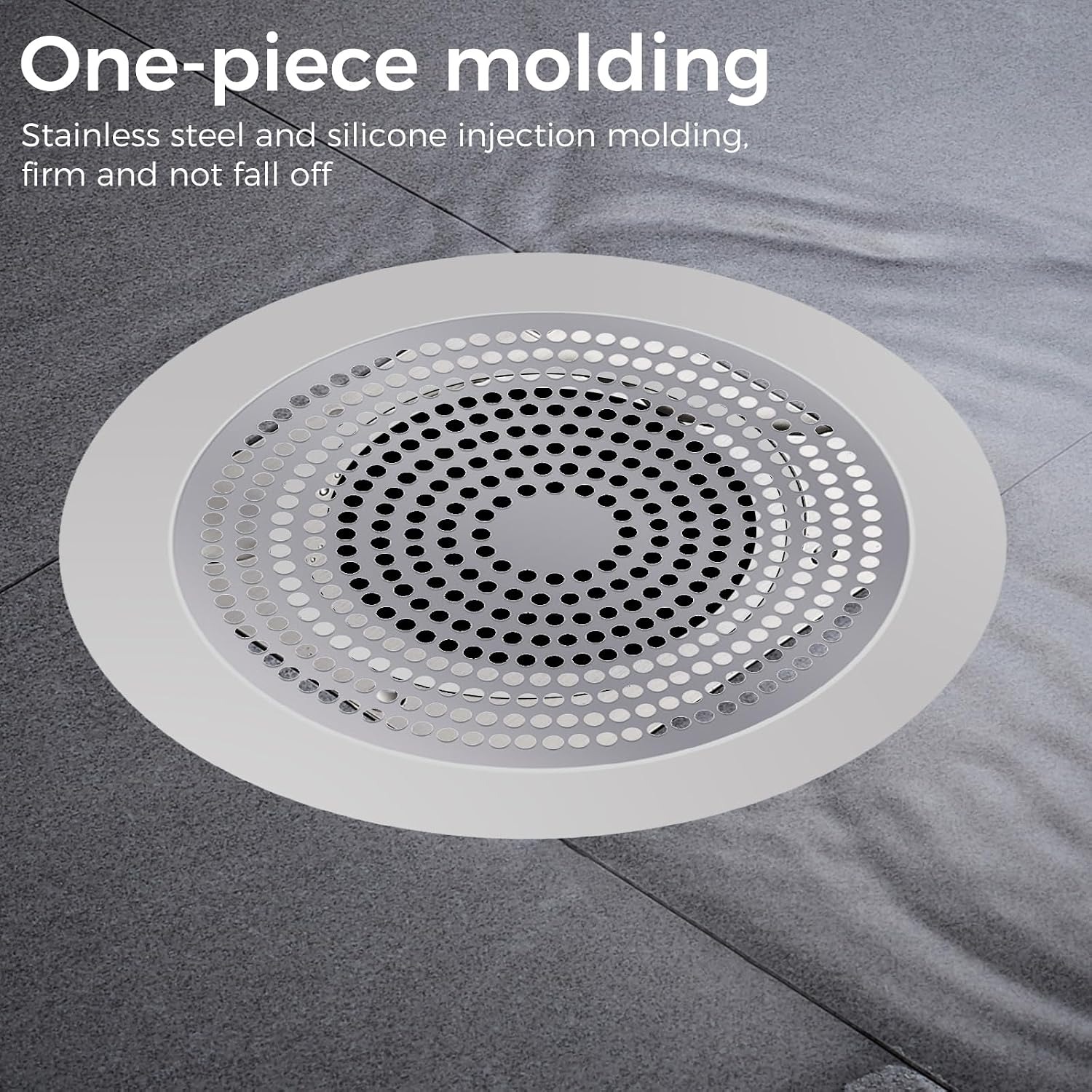
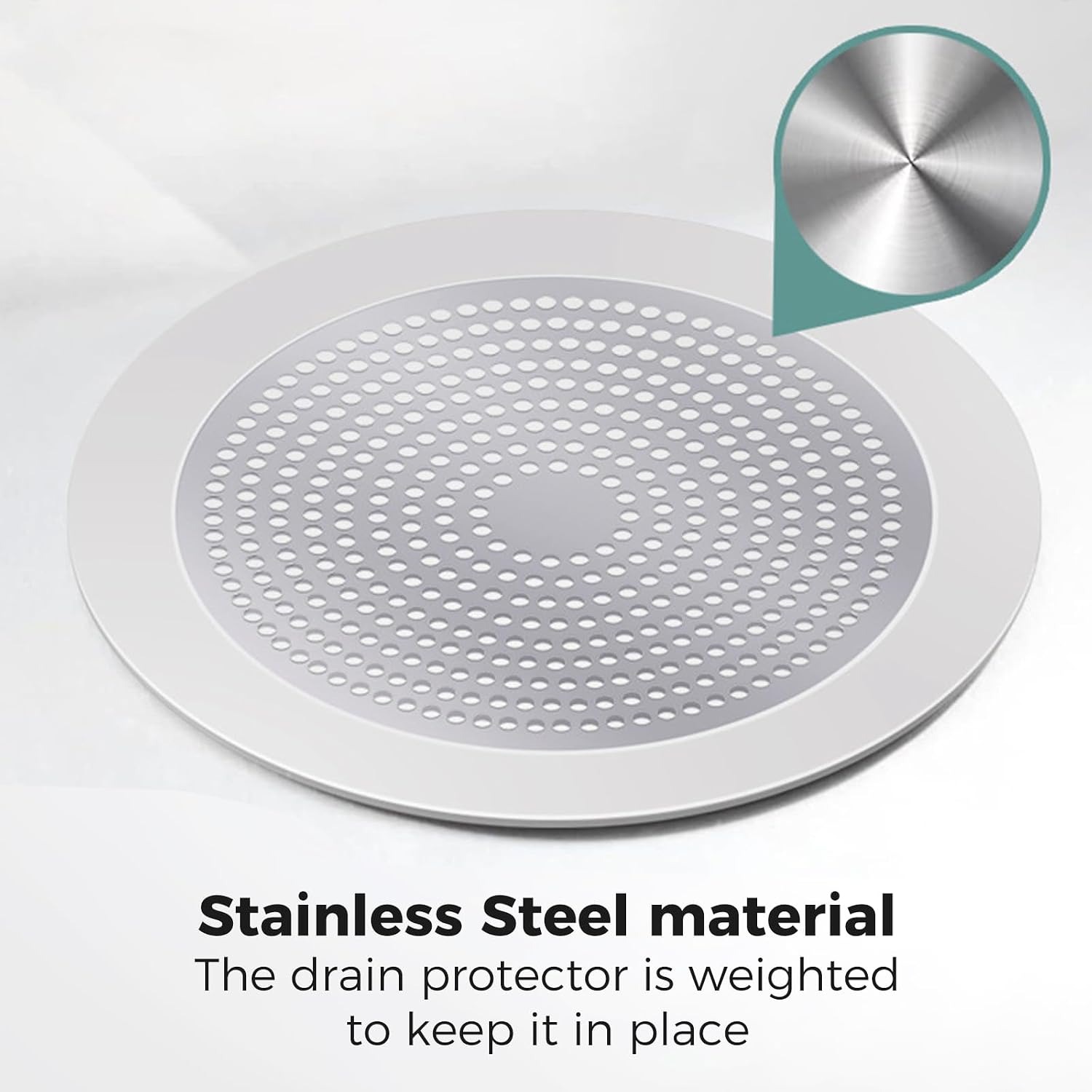
This particular model is brushed stainless steel with a silicone rim running around the outside. The disc is 14.5cm across and 0.2cm high, made for a compatible groove diameter of 5.7 inches. That rim matters more than it looks. It gives the cover a soft contact surface against the tub floor, which both quiets it down and helps keep it from sliding when a lot of water moves past at once. A bare steel disc on a wet acrylic tub tends to skate around. A silicone edge behaves itself.
The flat profile is the other design choice worth pointing out. Dome-shaped strainers are the other common style, and they hold more hair at once because the hair wraps around the raised centre. The trade-off is that they stick up out of the floor. You kick them, you stand on them awkwardly, and in a small shower they get in the way. At 0.2cm high, a flat cover is barely there underfoot.
Who this suits
Think about who sheds the most hair down a drain. Anyone with long hair, obviously. Also anyone who colours, straightens or treats their hair, because those processes loosen more strands than you would expect. Shared households with several people showering daily multiply the problem simply through volume.
Then there are pets. If you wash a dog in the bathtub, you already know what happens to the drain afterwards. Fur comes off in clumps and sinks straight to the plughole. A tub drain protector catches most of it in one place, and you clear it out while the tub is still wet and easy to wipe down.
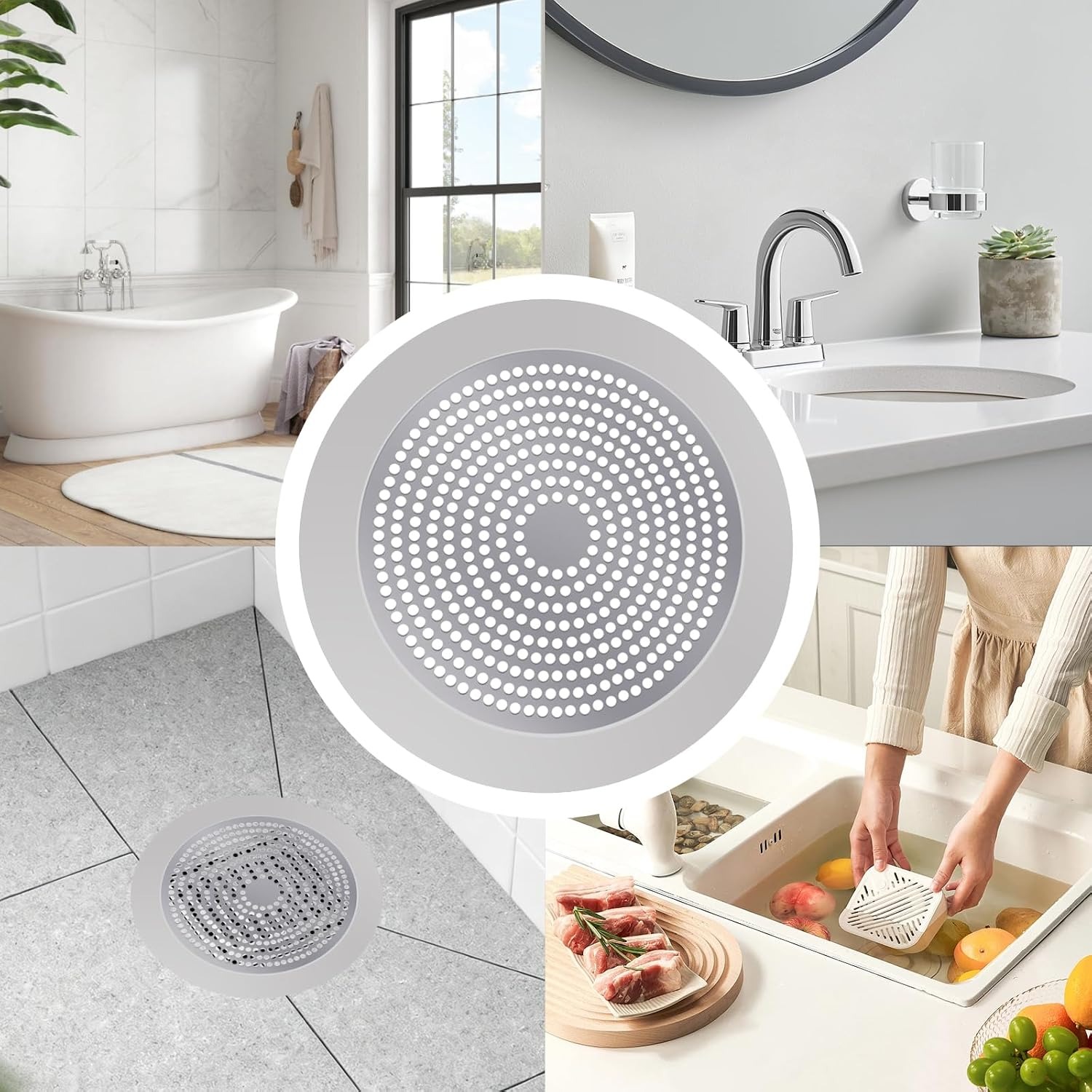
Renters are another group who benefit. Nothing about this cover is permanent. There is no adhesive, no drilling, no fitting into the waste. You put it down when you move in and lift it out when you leave. Nothing to explain at the final inspection.
It also works well in holiday rentals and share houses where nobody feels responsible for the plumbing. A visible cover is a quiet reminder, and cleaning one takes far less commitment than clearing a blocked pipe.
How to choose the right one
Measure first. This is where most people go wrong. Look at the flat area around your drain opening, not the opening itself. You want a cover that spans the hole with contact all the way around. This model is made for a 5.7 inch groove diameter and measures 14.5cm wide, so measure your own flat area and compare.
Check the surface it will sit on. A smooth acrylic or steel tub floor gives the silicone rim good contact. A heavily textured anti-slip base, or a floor that slopes sharply right at the drain, will leave gaps. The cover still catches most hair in those situations, but some will slip under the edge.
Think about profile. If your shower is small or shared with children, low and flat is the safer choice. If you have a huge volume of hair going down daily and floor space is not an issue, a raised strainer holds more between cleans. Both work. It depends on your floor, your feet and your habits.
Material matters for longevity. Bathrooms are wet, warm and full of soap. Stainless steel handles that environment well, which is why it turns up on so many bathroom fittings. Plastic covers are cheaper but tend to discolour and go brittle. Silicone-only covers are soft and quiet but can curl at the edges over time. A steel disc with a silicone rim tries to take the useful parts of both.
Count your bathrooms. If you have two showers, buy two. Carrying a single cover between rooms gets old fast, and the one without a cover becomes the one that blocks.
Looking after it
The routine is short. Lift the cover, wipe the hair off into the bin with a piece of toilet paper, rinse both faces under warm water, and put it back. Thirty seconds at most, and if you do it after every shower it never becomes a chore.
Give the rim some attention too. Soap film builds on silicone and makes it less grippy, so a rinse and a wipe keeps the contact good. Once a fortnight, soak the whole thing in warm soapy water and go over it with a soft brush. That takes care of anything the quick rinse missed.
What to avoid: abrasive scouring pads, steel wool and gritty cleaning pastes. All three will scratch a brushed finish, and once it is scratched it holds soap residue more stubbornly. Mild dish soap and a soft brush do everything you need. Dry it before you put it back and you will keep the steel looking bright.
If it does get neglected and develops a film, a soak in warm water with a little white vinegar usually lifts it. Rinse well afterwards.
Small habits that help
A drain cover does most of the work, but a couple of habits make it better. Brush your hair before you get in the shower rather than after. Loose strands come out on the brush instead of in the water. If you shed heavily, run the hot tap for thirty seconds after your shower to move soap residue through the pipe rather than letting it set.
And check the cover is sitting properly after you replace it. If one edge is lifted, hair will find that gap. It takes a second to press it flat.
The short version
Hair is what blocks shower drains, and catching it at the surface is far easier than pulling it out of a pipe. This cover is a brushed stainless steel disc, 14.5cm wide and 0.2cm high, with a silicone rim, made for a 5.7 inch groove diameter. It sits loose over the drain, so there is no installation and no damage, which makes it a sensible option for renters as well as owners.
It suits households with long hair, shared bathrooms, and anyone who washes a pet in the tub. The flat profile keeps it out of the way underfoot. Cleaning it means lifting it, binning the hair and rinsing it, which takes seconds if you stay on top of it.
Measure the flat area around your drain before you order, keep the rim clean so it grips, and skip the abrasive cleaners. Do that and a small item like this quietly saves you from the one bathroom job nobody enjoys.